
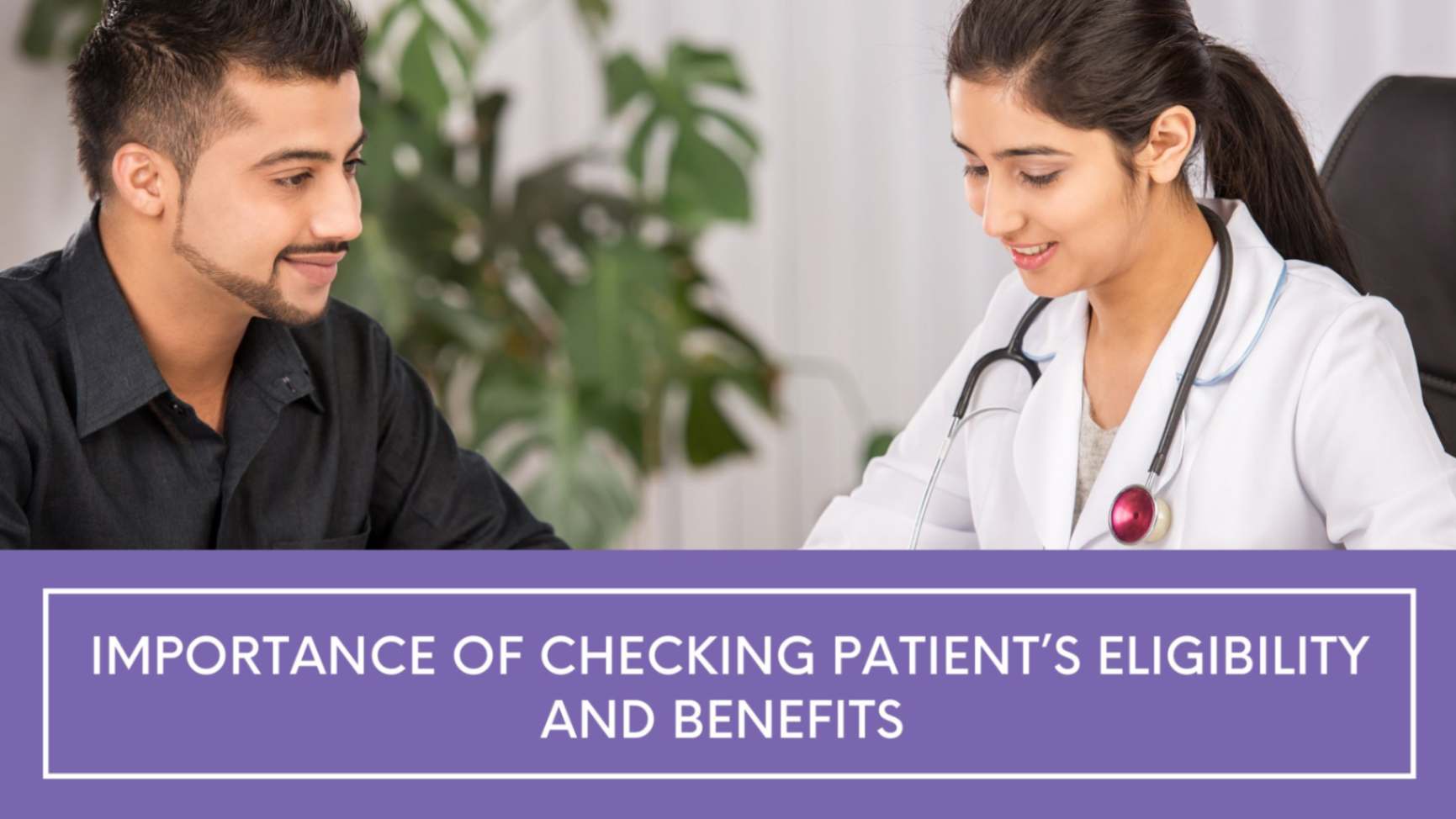
Importance of Checking Patient’s Eligibility and Benefits
A patient can walk in for a routine visit, and the insurance side can still fall apart quietly in the background without anyone noticing right away. This guide covers the importance of checking patient’s eligibility and benefits. We’ll talk about why this step matters so much, how skipping it hits your revenue harder than people expect, and the problems that keep showing up when it’s rushed or skipped entirely. We’ll also cover how we, at Practolytics, help practices get this right, visit after visit.
Table of Contents
Importance of Checking Patient Eligibility and Benefits Before Patient Care
Here’s something a lot of practices don’t really think about until it’s already a problem sitting in front of them. A patient shows up, gets seen, and everyone just assumes the insurance is going to cover it. Then a few weeks go by, and the claim comes back denied. Turns out coverage had lapsed. Or the plan never actually covered that service to begin with. Or the patient quietly switched insurance companies a while back and nobody caught it in time.
None of this is rare. Honestly, it happens constantly, and almost every single time, it could’ve been caught early with one simple check.
Checking eligibility and benefits sounds like a boring little admin task, the kind of thing that gets skipped when the front desk is busy. But it’s actually one of the biggest things standing between your practice and getting paid without a fight later.
Here’s what we’re getting into:
- Why checking eligibility matters so much for providers
- How it actually shows up in your revenue
- The problems that pop up when it gets skipped
- How we help practices get this right at Practolytics
Let’s get into it.
Why Checking Patient Eligibility Is Important for Healthcare Providers?
This isn’t just paperwork sitting between a patient and their appointment. It protects the practice, the patient, and the whole billing process, in some pretty real ways.
It confirms coverage before care actually happens. You want to know a patient’s insurance is active before the visit starts. Not two weeks later when the claim bounces back. It sets clear expectations for the patient. When someone walks in already knowing their copay or deductible, there’s a lot less confusion and frustration once the bill actually shows up.
It protects your practice financially. If a patient isn’t covered for a specific service, that’s a conversation worth having before treatment happens. Not after the work is already done for free. It builds trust, honestly. Being upfront about costs shows patients your practice runs things the right way, not just with their care, but with the money side too.
What is patient eligibility, really, when you break it down? It’s just confirming a patient’s plan is active and that it actually covers whatever they’re coming in for that day.
How Eligibility Verification Impacts Healthcare Revenue Cycle?
This step usually happens at the front desk, but it touches almost everything that comes after it in your revenue cycle.
Clean claims move a lot faster. Confirm eligibility ahead of time, and claims are way less likely to bounce back over coverage issues.
Fewer denials means less rework for everyone. Every denied claim eats up staff time getting it fixed and resent. Catching the problem before the visit skips that whole mess entirely.
Payments come in faster too. Claims that go out clean tend to get paid sooner, instead of sitting stuck somewhere while someone figures out what went wrong.
Collecting from patients gets a lot easier as well. Know someone’s deductible ahead of time, and you can just collect it at the visit, instead of chasing them down for it weeks later.
Days in accounts receivable start dropping. Practices that check eligibility consistently tend to get paid faster overall, mostly because fewer claims end up stuck in that denial loop.
The process to determine patient’s eligibility really is one of the very first dominoes in your whole revenue cycle. Get it wrong at the start, and everything downstream ends up feeling it eventually.
Common Problems Caused by Poor Eligibility Verification
A handful of the same problems keep showing up whenever eligibility checks get skipped or rushed through.
- Claim denials. This one’s obvious. Coverage wasn’t active, or the service just wasn’t covered, and the claim comes right back denied.
- Surprise bills for patients. They find out after the fact that insurance didn’t cover something, and that tends to wreck trust fast. Often it leads to unpaid balances too, since patients weren’t expecting the charge at all.
- Wasted staff time. Fixing and resubmitting a denied claim honestly takes way more effort than just checking eligibility upfront ever would have.
- Delayed payments. Denials mean delayed revenue, plain and simple, and it adds up fast over a busy month.
- Missed authorization requirements. Some services need approval before they even happen. Miss that step, and a totally valid treatment can still end up denied.
- Bad patient information. Skip the check, and small errors, a wrong name, a wrong birthdate, a wrong policy number, slip right through and cause rejections down the line.
Patient’s eligibility for benefits isn’t just a simple yes or no answer either. It covers copays, deductibles, referral rules, coverage limits, all of it. Miss even one of those pieces, and it can turn into a real problem later.
How Practolytics Helps Improve Eligibility Verification?
At Practolytics, we treat eligibility verification like one of the most important steps in the entire patient intake process. Not something to just rush through and hope for the best.
We check coverage before the appointment even happens, which gives your practice real time to fix anything before the patient walks through the door. We look at the whole picture too. Not just whether coverage is active, but copays, deductibles, referral needs, and prior authorization requirements as well.
We flag problems early, so your staff doesn’t get blindsided by a denial that honestly could’ve been caught days ahead of time. We keep patient information accurate, cross-checking details against insurance records so small typos don’t quietly turn into denied claims later on.
We help your front desk run smoother too. How insurance verification improves patient intake efficiency really just comes down to catching issues before they ever reach the billing stage in the first place.
We treat how to improve patient check-in and eligibility verification as one connected process, not two separate tasks handled by two different people at two different times, which is honestly how a lot of practices end up doing it.
Our goal is simple, really. Confirm eligibility properly, so your practice gets paid without unnecessary denials, and your patients aren’t blindsided by costs they never saw coming.
Conclusion
Checking a patient’s eligibility and benefits might seem like a small, forgettable step in a busy day. But it protects your practice and your patients in a pretty big way. Skip it, or rush through it, and you end up dealing with denied claims, surprise bills, and staff time wasted fixing things that didn’t need to break in the first place. At Practolytics, we help practices confirm coverage properly before care even happens, so claims go out clean and patients actually know what to expect. The result is fewer denials, faster payments, and a smoother experience for everyone involved, patients and staff alike.
FAQs
1. Why is checking patient eligibility and benefits important?
It confirms a patient’s insurance is active and actually covers the service before treatment starts. That single step prevents denied claims, surprise bills, and a lot of wasted time fixing problems that could’ve been caught way earlier.
2. What happens if patient eligibility is not verified?
Claims can get denied over coverage issues, patients end up stuck with unexpected bills, and staff usually have to spend extra time correcting and resending claims that should’ve gone through clean the first time around.
3. When should healthcare providers verify patient insurance eligibility?
Ideally before the appointment, not the day of. Checking a day or two ahead gives staff enough time to fix anything before the patient actually shows up for their visit.
4. What information is checked during eligibility verification?
A few key things get confirmed during this process:
- Whether the insurance plan is currently active
- Copay, deductible, and coinsurance amounts
- Whether the specific service is actually covered
- Referral or prior authorization requirements
- Patient details matching what’s on file with the insurance
5. How does eligibility verification reduce claim denials?
Confirming coverage and requirements before a claim ever goes out catches issues early, things like inactive plans or missing authorizations, before they turn into a denial that has to get cleaned up after the fact.
6. Can automated eligibility verification improve healthcare revenue cycle performance?
Yes, quite a bit actually. Automated checks confirm coverage in real time instead of relying on manual phone calls or lookups, which speeds up the front desk process and cuts down on the small errors that usually lead to denied claims.
ALSO READ: 12 Things A Practice Must Do To Maximize Reimbursements
ALSO READ – Key Things To Consider While Negotiating Medical Insurance Contracts
Talk to Medical Billing Expert Today — Get a Free Demo Now!