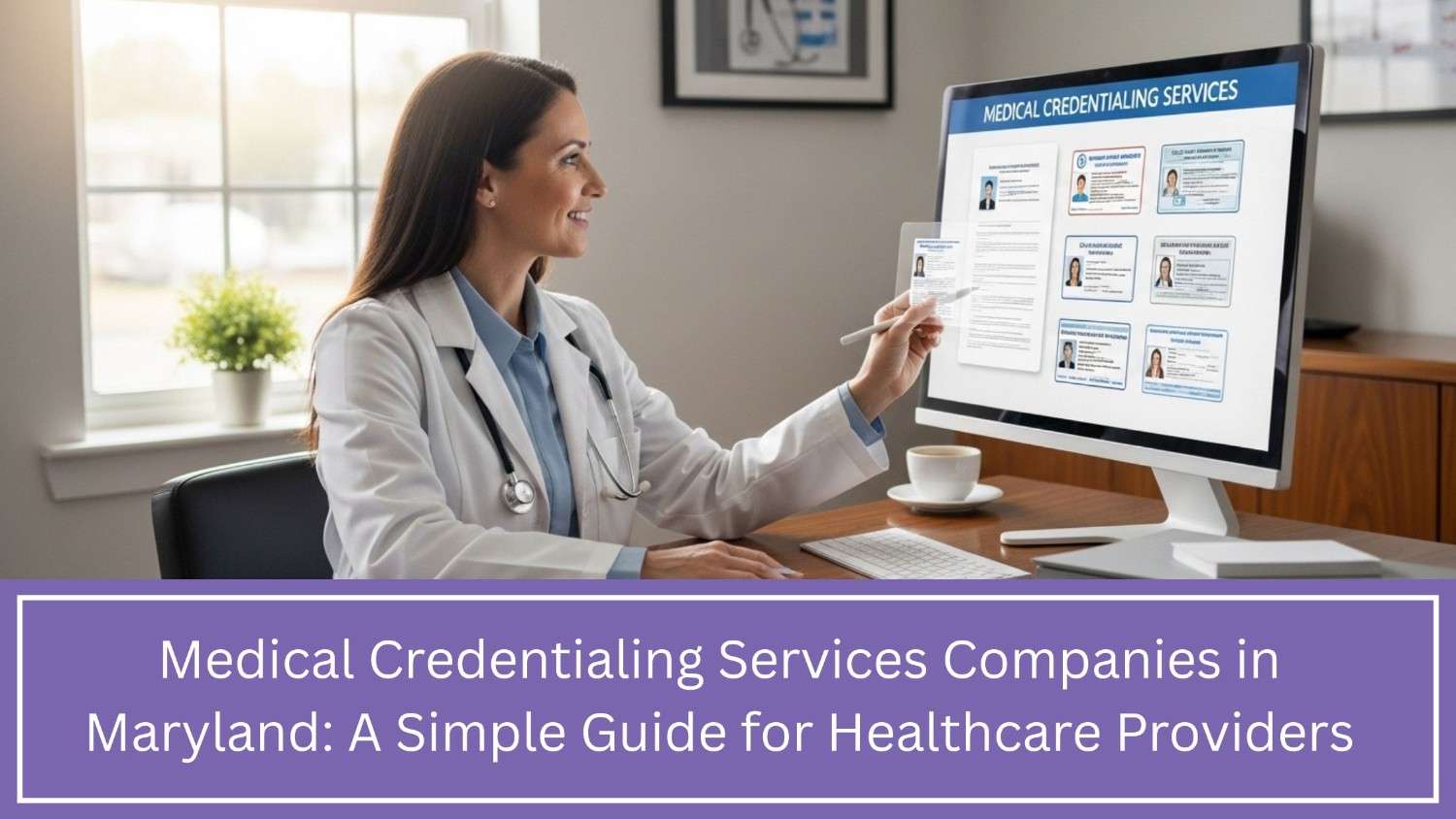


What Credentialing Really Costs in 2025
Credentialing looks simple on paper. Fill out some forms. Wait for approval. But the true cost of medical credentialing goes way past that. There are hidden fees, long delays, and lost revenue most practices never see coming. In this guide, we break down what credentialing really costs. Where the hidden costs hide. And how we, at Practolytics, help practices keep credentialing costs down while getting providers approved faster.
Credentialing sounds like a small task at first. Fill out paperwork. Wait for approval. Move on. But it’s not that simple. Most practices find that out the hard way. A lot of new practices only realize this once a provider is sitting idle, ready to see patients, but stuck waiting on approval that hasn’t come through yet.
The real cost isn’t just the fee you pay. It’s the time lost. The delays. The revenue that slips away while a provider sits waiting on approval. Let’s break this down.
Table of Contents
What Is Medical Credentialing and Why Does It Matter?
Medical credentialing checks that a provider is qualified to treat patients. And to bill insurance for that care. It confirms licenses, training, and work history.
Without it, a provider can’t legally bill most insurance plans. That means no payment for the care they give. Even if the visit went perfectly fine.
Here’s why it matters so much:
- It protects patients by confirming a provider is truly qualified.
- It lets providers bill insurance and get paid.
- It keeps practices in line with payer and state rules.
Skip credentialing, or get it wrong, and costs pile up fast.
The Real Cost of Medical Credentialing Beyond Paperwork
Most people think of credentialing as just a paperwork cost. But that’s only part of it.
- Staff time spent gathering documents and filling out forms.
- Follow up calls and emails chasing missing information.
- Delays that push back when a provider can start seeing patients.
- Lost revenue while a provider waits for approval.
- Extra costs if an application gets rejected and needs redoing.
The physician credentialing services cost most practices talk about usually only covers the base fee. It rarely counts all this extra time and lost revenue sitting underneath it.
The Hidden Financial Impact of Credentialing Delays
Delays are where the real damage happens. A provider who can’t bill insurance yet still needs a paycheck. Still needs office space. Still needs support staff.
- Every week of delay is a week of lost billing for that provider.
- Patients may go elsewhere if they can’t be seen right away.
- Staff spend extra hours managing the backlog the delay creates.
- Practices sometimes see patients at a lower rate, or not bill at all, during the wait.
This is the part of the cost impact of outsourced credentialing that gets missed the most. A slow process costs far more than the fee on the invoice.
How Much Does Medical Credentialing Cost Per Provider?
People often ask, how much does credentialing cost? Honest answer, it depends.
- Base fees change by state and by how many payers are involved.
- The average cost to credential a physician usually includes application fees, verification costs, and staff time.
- Multi-state providers usually cost more, since each state has its own process.
- The cost of credentialing with insurance companies can add up fast if a provider needs to enroll with many payers at once.
Provider credentialing costs add up quickly once you count staff hours on top of the base fees. That’s the number most practices forget to calculate.
How Credentialing Impacts Healthcare Revenue Cycle Management?
Credentialing isn’t separate from your revenue cycle. It’s actually one of the first steps in it.
- A provider can’t be billed against until credentialing is done.
- Delayed credentialing means delayed revenue.
- Errors in credentialing can lead to denied claims down the line.
- A smooth credentialing process sets up a smoother billing process right after it.
Think of credentialing as the starting point. If it’s slow or messy, everything after it, billing, collections, cash flow, feels that hit too.
When Should Healthcare Practices Outsource Credentialing?
Not every practice needs to outsource right away. But there are clear signs it’s time to think about it.
- Your in-house team spends too much time on credentialing paperwork.
- Applications keep getting delayed or rejected due to errors.
- You’re adding new providers faster than your team can keep up.
- You’re expanding into more states and don’t have experience with multi-state rules.
- Credentialing services pricing from an outside partner ends up cheaper than the staff time you’re spending now.
If any of these sound familiar, outsourcing is worth a real look.
Medical Credentialing Checklist for Healthcare Organizations
Here’s a simple checklist to help keep credentialing on track:
- Gather all provider licenses and certifications early.
- Confirm work history and education records are complete.
- Check that malpractice insurance details are current.
- Submit applications to each payer with accurate, matching info.
- Track application status regularly. Don’t wait for updates to come to you.
- Follow up fast on any missing or requested documents.
Staying organized here saves a lot of time. And a lot of money down the road.
Why Choose Practolytics for Medical Credentialing Services?
This is where we help. At Practolytics, we handle provider credentialing services cost concerns by keeping our process fast, clear, and built around what your practice actually needs.
Here’s what we bring:
- We track every application closely, so nothing sits stuck for weeks.
- We follow up with payers often, cutting down on unneeded delays.
- We understand multi-state credentialing, so growth doesn’t slow you down.
- We work across 28 plus specialties, so we understand your needs.
- We help practices figure out how can i reduce the costs associated with healthcare credentialing by cutting errors and delays before they happen.
We treat credentialing as part of your revenue. Not just paperwork sitting off to the side.
Conclusion
The true cost of medical credentialing goes far past the fee on an invoice. Delays, errors, and lost revenue add up fast if the process isn’t managed well. Practices that stay ahead of this usually save far more than they expect over time. At Practolytics, we help practices keep credentialing fast, accurate, and affordable. So providers can start seeing patients sooner. If credentialing has been costing your practice more than it should, we’d love to talk about how we can help.
FAQs
What is the cost of medical credentialing?
Cost changes based on the state, the number of payers, and how many providers need credentialing. It usually includes application fees, verification costs, and staff time spent managing the process. Many practices underestimate the total cost, since staff hours often add up to more than the base fee alone.
Why is medical credentialing expensive?
It’s expensive because of everything happening behind the scenes. Staff time, follow ups, document collection, and delays all add real cost on top of the base fee. Multi-state providers and enrolling with many payers add even more, since each one has its own process and paperwork to deal with.
How much revenue can a provider lose due to credentialing delays?
It depends on the provider’s normal patient volume and billing rate. But delays of even a few weeks can mean thousands of dollars in lost revenue. A provider who can’t bill insurance yet still costs the practice money in salary and overhead, with no income coming in to offset it.
What are the hidden costs of medical credentialing?
Hidden costs include staff time spent chasing paperwork, delays that push back patient revenue, and extra work if an application gets rejected. These costs rarely show up on an invoice. But they hit your practice’s bottom line just as much as any listed fee does.
Is outsourcing medical credentialing cheaper than doing it in-house?
For many practices, yes. Outsourcing often costs less than the staff hours spent managing credentialing on your own. Especially once you factor in errors and delays. A dedicated team usually moves faster too, which means providers start billing sooner and revenue comes in quicker.
How long does medical credentialing take?
Timelines vary depending on the state, the payer, and how complete the paperwork is upfront. It can take anywhere from a few weeks to a few months. Clean, accurate applications with no missing documents tend to move much faster than ones that need follow up or fixing.
What is the difference between credentialing and provider enrollment?
Credentialing checks a provider’s qualifications. Things like licenses and training. Provider enrollment is the process of actually registering that provider with specific insurance payers so they can bill for services. Credentialing usually comes first. Enrollment follows once credentialing gets approved.
How can healthcare organizations reduce credentialing costs?
Start by keeping documentation organized and easy to find. Submit accurate applications the first time to avoid rejections. Track application status regularly instead of waiting for updates.
Working with an experienced credentialing partner also helps cut down on errors and delays that quietly add to the cost.
Talk to Medical Billing Expert Today — Get a Free Demo Now!