
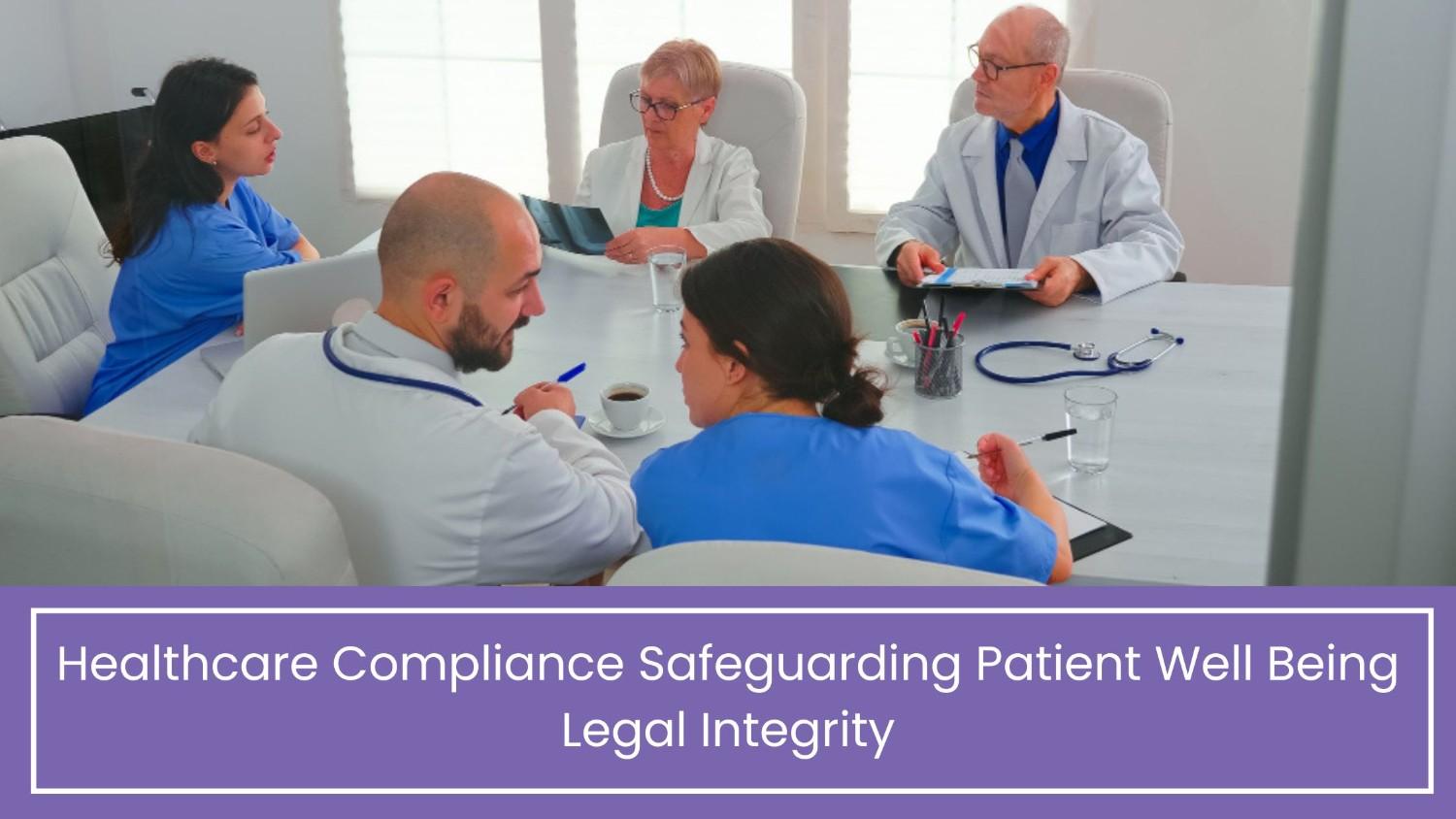
Healthcare Compliance Safeguarding Patient Well Being Legal Integrity
Running a healthcare practice means juggling patient care, paperwork, and rules that never seem to stop changing. That is where healthcare compliance safeguarding patient well being legal integrity comes in. It is not just a checklist. It is what keeps your practice safe from fines, keeps patient data protected, and keeps care standards high. At Practolytics, we help healthcare organizations build compliance programs that actually work in real life, not just on paper. In this blog, we will walk through why compliance matters, what a good compliance program looks like, and how audits keep your practice one step ahead of problems before they start.
Compliance sounds boring. We get it.
But it’s a big deal. Every day, your practice handles private patient info. You bill insurance. You make choices that affect real people’s health. One small mistake, like a missing form or an old policy, can cause big problems fast.
Think about it. A doctor treats a patient. That visit gets written down. A bill goes out. If any step along the way is wrong, things can go bad. A wrong file. A missing signature. A skipped step. Small things add up fast in healthcare.
That’s what Healthcare Compliance: Safeguarding Patient Well-Being and Legal Integrity is really about. It’s not just paperwork. It’s about keeping patients safe. It’s also about keeping your practice safe.
At Practolytics, we deal with this every day. So let’s keep it simple.
We’ll cover why compliance matters for patients. We’ll cover why it matters for your practice legally. We’ll show what a real compliance program looks like. We’ll talk about audits. And we’ll show how we help. By the end, you should have a clear picture of what actually matters here, without needing a law degree to understand it.
Table of Contents
How Healthcare Compliance Protects Patient Well-Being?
Here’s what most people don’t think about. Compliance isn’t just about rules. It’s about patient safety. Think of it as a safety net. It’s there in the background, catching things before they turn into real harm.
Here’s how it helps:
- Privacy rules keep patient records safe
- Safety checks catch mistakes early
- Good notes help the next doctor know what happened before
- Trained staff know how to handle hard situations
- Clear steps help during emergencies
- Consistent records mean nothing gets lost between doctors
None of these steps are big on their own. But together, they make patients feel safe and cared for.
Healthcare compliance works quietly. You don’t notice it when it’s working. You notice it fast when it’s not.
Here’s an easy way to think about it. Good compliance is like a smoke detector. You barely notice it’s there. But when something goes wrong, it’s the first thing that catches the problem. Practices with strong compliance rarely see big surprises. Small issues get caught early, before they turn into something serious.
The Role of Healthcare Compliance in Legal Protection
Now let’s talk about the legal side. Compliance protects your practice too, not just your patients. Some practices only think about this after something bad happens. By then, it’s too late.
Without good compliance, here’s what can happen:
- Big fines, sometimes very large ones
- Lawsuits from patients or staff
- Losing your license
- A damaged reputation that’s hard to fix
- Trouble with insurance payers, like denied claims
- Being cut off from certain insurance networks entirely
A good healthcare compliance audit catches these problems early. It’s much easier to fix a small issue now than deal with a big one later. Most practices don’t see trouble coming. The warning signs are usually there. Nobody was looking for them.
This is why compliance shouldn’t feel optional. It’s not just about following rules for the sake of it. It’s about protecting your license, your money, and your name. A practice that skips compliance is playing a risky game, even if nothing has gone wrong yet. The risk is quiet until it isn’t, and by then it’s usually expensive.
Key Components of an Effective Healthcare Compliance Program
What does a real compliance program look like? Not a folder on a shelf. A working system. Here’s what it needs:
- Simple, clear policies staff can actually follow
- Regular staff training, not just once at hiring
- A safe way for staff to report problems
- Regular checks, so small issues don’t pile up
- One person in charge of compliance
- A plan for when something goes wrong
None of these work well alone. Together, they keep your practice safe.
Think of these pieces like a chain. If one link is weak, the whole thing can break. A great training program doesn’t help much if nobody’s checking whether it’s actually being followed. That’s why all the pieces need to work together, not just sit on a list somewhere. Most practices already have a few of these pieces. Very few have all of them working at the same time.
Healthcare compliance services should build this around your practice, not give you a generic plan. A good compliance audit healthcare services team looks at your whole practice, not just one part. Some call this a compliance audit healthcare services services package. It means reviews, training, and checks all in one place. Either way, the goal is simple. Fewer surprises. Fewer gaps that slip through unnoticed.
Healthcare Compliance Audits: A Proactive Approach to Risk Management
Nobody likes the word “audit.” It sounds scary. But it’s actually a good thing. It’s not about catching people doing something wrong. It’s about finding small problems before they get big.
Most practices put off audits because they seem like a hassle. But skipping them usually costs more in the long run. A denied claim here. A fine there. It adds up fast, and it’s much harder to trace back where things went wrong once time has passed.
Think of a compliance audit healthcare check like a health checkup, but for your practice. It shows what’s working. It shows what needs fixing.
Here’s what a good audit checks:
- Billing and coding, so mistakes don’t cause denied claims
- Patient data security, so records stay private
- Staff training records, so everyone stays current
- Your paperwork, so nothing is missing or outdated
- Whether your rules match current laws, since laws change often
Compliance audits in healthcare are not a one-time thing. Rules change. Staff change. New risks show up. Regular checks catch problems early, before they turn into fines. Even checking a handful of records now and then can reveal a pattern nobody noticed before.
Good healthcare compliance auditing builds trust too. Patients notice when a practice cares about their privacy, even if they never see the audit. That’s compliance for the patient in action. It’s quiet, but it matters a lot.
How Practolytics Helps Healthcare Organizations Stay Compliant?
Here’s where we come in. At Practolytics, we don’t just hand you a checklist and leave. We stay involved.
Here’s what we do:
- We check your policies and find gaps before they become real problems
- We check your billing and coding, since this is where errors often hide
- We check how patient data is handled, day to day, not just on paper
- We give you clear, simple reports
- We help build something that lasts, not a quick fix
- We stay with you, not just for one visit
We’ve helped practices of every size. Small clinics. Bigger groups. The pattern is always the same. Once real compliance is in place, things get easier. Staff know what to do. Patients feel safe. You stop worrying about what might be wrong.
If you want a partner who actually helps, that’s us. We don’t just give you a report and disappear.
We know every practice is different. A small clinic doesn’t need the same setup as a large group with multiple locations. So we build a plan that fits your size, your specialty, and your patients, not a copy-paste plan used for everyone else. That’s how compliance actually sticks, instead of gathering dust in a drawer.
Conclusion
Healthcare compliance isn’t just something you do once a year. It keeps your patients safe. It keeps your practice safe too. At Practolytics, we help build compliance programs and audits that actually work, not just look good on paper. We check your policies, your billing, and your data. We stay with you the whole way, not just for a single review. If you’re tired of worrying about what might be missed, we’re ready to help you build something that actually holds up.
FAQs
1. Why is healthcare compliance important?
It keeps patients safe. It also protects your practice from fines and lawsuits.
2. What regulations must healthcare organizations follow?
Some big ones:
- HIPAA, for patient privacy
- OSHA, for workplace safety
- CMS and Medicare billing rules
- State licensing rules
3. How do compliance audits help healthcare organizations?
They catch small problems early, before they turn into big fines or legal trouble.
4. What areas are reviewed during a healthcare compliance audit?
Usually:
- Billing and coding
- Patient data security
- Staff training records
- Documentation
- Whether policies match current rules
5. How does HIPAA support healthcare compliance?
HIPAA sets rules for protecting patient info. Following it keeps data safe and keeps you out of legal trouble.
6. Can compliance issues affect healthcare revenue?
Yes. Compliance problems can mean denied claims, fines, or losing access to insurance networks.
7. How can Practolytics help with healthcare compliance?
We check your policies, your billing, and your data practices. We also run regular audits and help you build a system that works every day.
ALSO READ – Practolytics: Revolutionizing Healthcare Finances in 2024 with EHR Integration
Talk to Medical Billing Expert Today — Get a Free Demo Now!