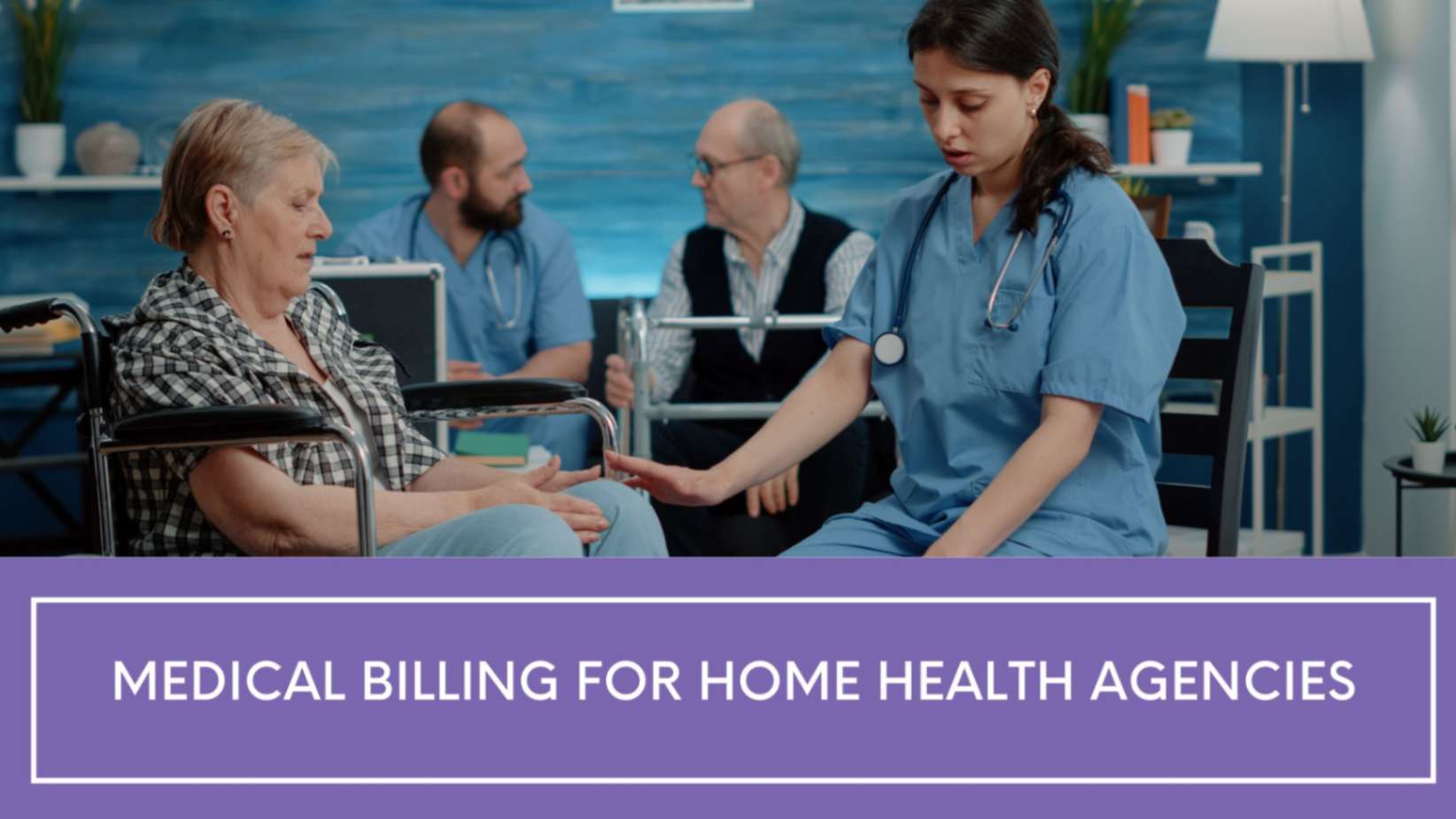
Medical Billing for Home Health Agencies
Home health billing is much more than submitting claims following skilled nursing or therapy visits. Medical Billing for Home Health Agencies involves coordinating documentation, eligibility verification, accurate coding, episode-related billing requirements, and payer-specific rules to support timely and accurate reimbursements. These processes make home health billing services a critical component of any successful home health revenue cycle management strategy.
Practolytics is a billing management solution that helps home health agencies bill from eligibility verification through claims processing, denial follow-up, and home health AR recovery in order to improve clean claim performance, reduce avoidable days in AR, and achieve a more predictable reimbursement cycle.
Key areas include:
- PDGM billing services and Medicare reimbursement workflows
- Home health coding services and documentation review
- Claim denial management and AR follow-up
- OASIS-E and NOA/NOE workflow support
- EMR/EHR integration and reporting
CTA: Get Your Free Home Health Billing Audit
Table of Contents
What Is Home Health Medical Billing?
Home health billing is how agencies turn patient care notes into paid claims. It is more complex than standard doctor billing. For reimbursements, you must manage patient eligibility, care plans, and visit notes while following strict Medicare rules and coding laws.
Effective home health billing services do more than send claims; they manage your entire cash flow. This means we handle patient checks, coding, filing, payments, and fixing denied claims for home health AR recovery.
A strong billing workflow typically includes:
- Verification of payer eligibility before services begin
- Accurate coding based on clinical documentation
- Review of OASIS-E and supporting records
- Correct handling of Notice of Admission (NOA) requirements
- Timely claims submission and follow-up
- Denial identification, correction, and appeals
- Payment reconciliation and outstanding balance follow-up
Practolytics combines billing skills, smart tools, and technology to help agencies stop losing money while keeping their billing legal and correct.
CTA: Improve Your Home Health Billing Workflow
Core Home Health Billing Services We Provide
Practolytics provides home health revenue cycle management tools built for the specific needs of home health agencies. We handle Medicare, Medicaid, and private insurance flows to help your team submit clean claims and get paid on time.
Our core services include:
- PDGM Billing Services: Payment Period Billing Workflow & Reimbursement Needs Support.
- Home health coding services: Coding support based on documentation, diagnosis, and payer guidelines as necessary.
- OASIS-E documentation support: Review workflows that identify gaps in documentation that impact billing.
- NOA/NOE support: Help with the required admission and election-related billing processes.
- Payer eligibility verification: Checking coverage and benefits prior to services being rendered.
- Home health claim processing: Submission, tracking, correction, and reconciliation.
- Identification of denial reasons and systematic follow-up for home health claim denial management.
- Home health AR recovery: Follow-up on unpaid, underpaid, or delayed claims.
- Compliance audit support: Audits to identify documentation and billing risks.
The result is a cleaner payment process with fewer gaps in your cash flow.
CTA: Talk to a Home Health RCM Specialist
Key Challenges in Home Health Billing
Home health teams work in a system where paperwork, care, codes, and pay are all linked. One lost file, a wrong intake step, a coverage gap, or a coding error can stop a payment. These small mistakes cause delays that hurt your bottom line long after the claim is sent.
Common challenges include:
- PDGM complexity: Patient characteristics, clinical groupings, and patient payment rules are the basis for payment.
- OASIS-E documentation: Incomplete or inconsistent documentation may result in downstream billing issues.
- NOA requirements: Errors or delays in admission reporting may impact reimbursement workflows.
- Changes in eligibility: A patient’s coverage can change during an episode of care.
- Coding errors: Diagnosis and service coding should be supported by documentation.
- Claim denials: Information errors, unmet requirements, and payer-specific rules can lead to rework.
- Aging claims may go unresolved because staff doesn’t have time to keep following up with payers on slow AR follow-up.
A dedicated home health billing company sets up clear rules for your workflow, helping your team save time on paperwork and get your payments faster.
CTA: Reduce Your Home Health Billing Bottlenecks
Home Health Billing: Competitor Landscape & Industry Benchmarks
Choosing a billing partner is about more than a checklist. Home health agencies need a team that truly knows PDGM, documentation, claims, and denials. You need a partner who understands your practice operations.
When comparing home health billing companies, look at how they handle your entire cash flow, not just the claim filings.
Important areas to compare include:
- Clean Claim Rate: How often are claims sent in successfully on the first try?
- AR Days: How far out in AR does the payment team get the outstanding balances to payment?
- Denial performance: Does the partner identify recurring causes instead of correcting single claims over and over?
- Reimbursement turnaround time: How fast are claims processed and followed up on?
- Quality of coding: Are coding decisions backed up with documentation and current payer requirements?
- EMR integration: Is billing workflow a good fit for what you already have?
- Reporting: Can agency management see financial and operational KPIs?
Rather than using vague industry communications, Practolytics delivers real, proven gains for the specific cash flow of your agency.
CTA: Compare Your Current Billing Performance
Why Home Health Agencies Choose Practolytics
Home health firms need a billing partner who gets your daily billing mechanics and operational workload. Practolytics treats your home health revenue cycle management as a full business flow, not just a way to send out claims.
Our model finds where you lose or miss revenue, and then we fix the process to stop it from happening.
Agencies can benefit from:
- Dedicated billing and denial management support
- Home health coding and documentation-focused workflows
- Eligibility and payer verification
- Claims submission and status monitoring
- Home health AR recovery and payer follow-up
- Payment posting and reconciliation
- Compliance-focused billing reviews
- EMR/EHR workflow integration
- Performance reporting and revenue-cycle visibility
The goal is simple: let your team stop fighting billing errors and start focusing on patient care and daily operations.
Practolytics spots repeated revenue cycle inefficiencies, so leaders can make choices based on real payment data instead of guesses.
CTA: Schedule a Free Home Health RCM Assessment
Best Practices for Home Health Billing Success
Successful home health billing starts long before you send a claim. Agencies can protect their cash flow by setting clear rules at every step of the billing process.
Recommended best practices include:
- Check eligibility before rendering services and make sure there are no significant changes to your coverage.
- Keep your documentation clean and complete on services and diagnosis.
- Review OASIS-E-related information for billing to see if there are any discrepancies.
- Carefully monitor the NOA requirements and make sure this information is sent correctly as part of the regular billing cycle.
- Take advantage of claims scrubbing to detect and resolve reportable errors before submission to the payers.
- Categorize the denied claims based on a reason or common theme.
- Monitor aging accounts receivable on a regular basis, grouping them by the payer, their value, and reason for delay.
- Track the clean claim rate and make sure these statistics are consistent.
- Audit compliance practices periodically and look for areas of improvement in documentation, coding, and operations.
With disciplined steps and the right home health EMR/EHR integration, agencies can make billing predictable and keep their cash flow strong.
CTA: Strengthen Your Home Health Revenue Cycle
Frequently Asked Questions
1. What does medical billing for home health agencies actually include?
Home health billing typically consists of eligibility verification, documentation coding procedures, claim preparation and submission, payment posting, denial management, AR follow-up, and reimbursement reconciliation. A complete service may also include PDGM billing, NOA procedures, OASIS-E-related processes, and compliance audits, as well as reporting procedures.
2. How much does outsourcing home health billing cost?
Home health billing costs depend on your practice size, how many claims you file, your services, and the help you need. Some partners charge a percentage of collections, while others use flat fees. We can review your current setup to find the best price model for your business.
3. What is PDGM, and how does it affect my billing?
PDGM (Patient-Driven Groupings Model) is Medicare’s method of paying for home health services. It has changed the way agencies classify and bill Medicare for episodes of care by focusing more on the characteristics of patients and clinical categories. Consequently, proper documentation and coding are critical to reimbursement.
4. Why do home health claims get denied so often?
Denials can happen for many reasons, like wrong paperwork, coding errors, or missing approvals. They often stem from simple mistakes in reporting or specific payer rules. Good claim management is about finding the root cause and fixing it so the same error does not happen twice.
5. How long does it take to get reimbursed for home health claims?
Home health payouts depend on the payer, claim accuracy, paperwork, and billing rules. Some claims need extra review, which slows things down. Accurate claims get paid faster than those that need fixes or more documents.
6. Can outsourcing home health billing really improve revenue?
It can. Outsourcing grows your income by fixing billing gaps, speeding up claims, and cutting down on denied payments. It clears out old debts and lets your team stop doing boring paperwork. The results depend on your current setup and the partner you choose.
7. Will you work with our existing EMR/EHR system?
A qualified home health billing company should assess your current EMR/EHR and practice-management environment prior to implementation. Practolytics can create billing workflows around your available technology and integration options to allow agencies to avoid disruption during the transition.
8. Do you handle OASIS-E coding and documentation?
Home health billing teams can assist with regard to OASIS-E information and documentation review; however, the responsibility for clinical assessment rests with appropriately qualified personnel. Billing support should be provided to facilitate claims submission that is consistent with documentation and billing requirements.
9. How is home health billing different from regular physician billing?
Home health billing has a number of additional operational and reimbursement considerations, such as PDGM, OASIS-E, NOA requirements, home health plan-of-care documentation, services on a visit basis, and agency-specific compliance requirements. Physician billing is typically organized around individual encounters and professional services, making the workflows substantially different.
10. How do I get started with Practolytics for home health billing?
Start with a look at your current billing process. Practolytics checks your claim success, denial patterns, old debts, coding steps, payer gaps, and payment lags. Then, our team finds ways to grow your profit and builds a home health RCM plan that works for you.
CTA: Get Your Free Home Health Billing Audit
ALSO READ – 9 Key Factors for Successful Transition to Telehealth Practice
Talk to Medical Billing Expert Today — Get a Free Demo Now!