
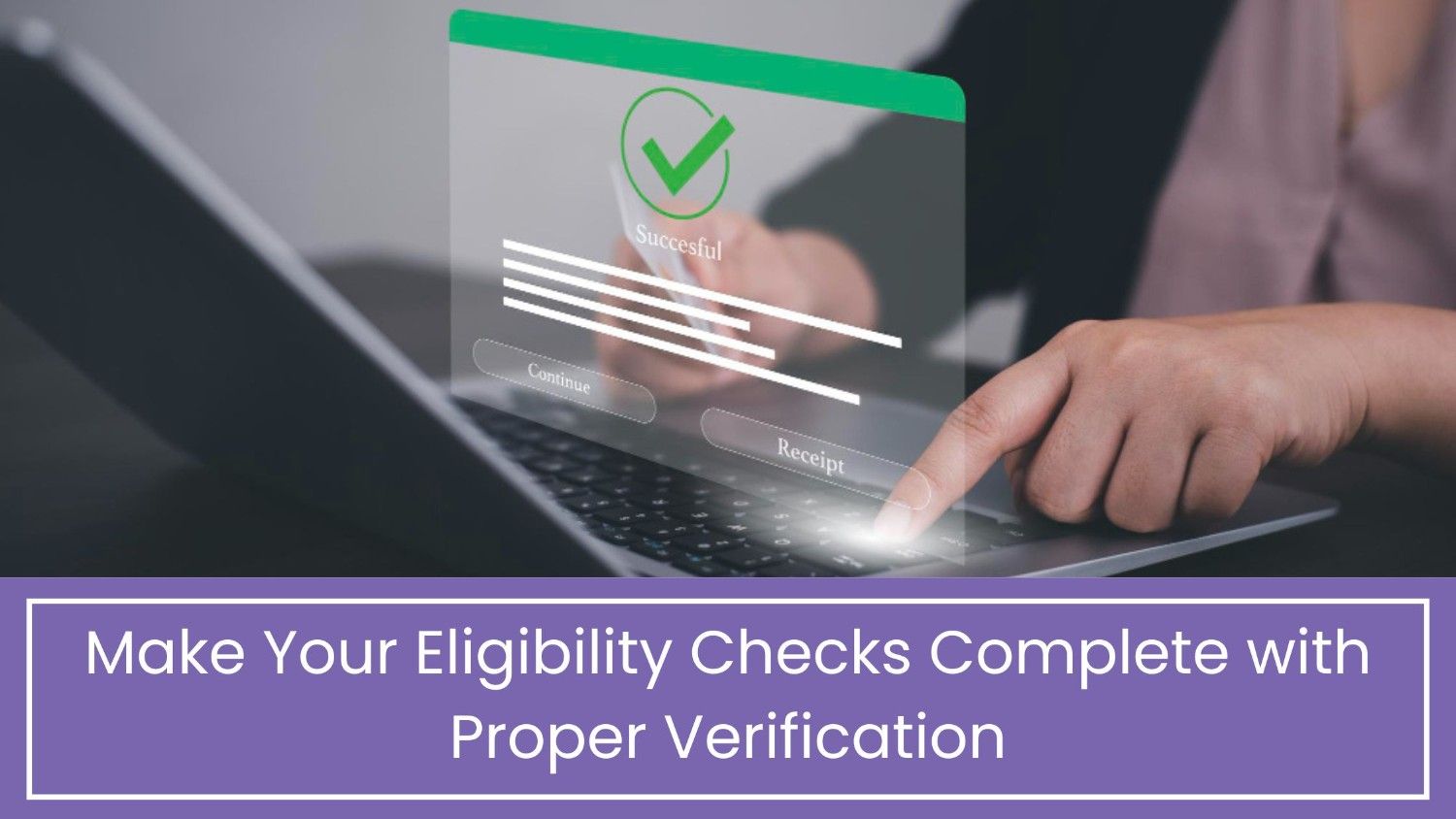
Make Your Eligibility Checks Complete with Proper Verification
An active insurance policy doesn’t automatically mean the patient’s planned service is covered. That distinction matters. Make Your Eligibility Checks Complete With Proper Verification by checking both enrollment and service-specific benefits before the appointment. A complete review makes sure, like actually, that the patient identity is correct, the policy status is right, the effective dates line up, and the plan type matches. It also checks network rules, deductible, copay, coinsurance, the benefit limits, any referral requirements, and whether prior authorization is required, or sometimes just recommended. In the same go around it flags secondary coverage, and any coordination-of-benefits weirdness. Then the front office team can walk the patient through what the likely patient responsibility is, and clear up coverage questions before the care even begins. Of course, no single check can promise payment, but doing this carefully reduces a lot of needless shocks that otherwise turn into rejected claims, delayed collections, and those awkward billing conversations that nobody wants.
Table of Contents
Make Your Eligibility Checks Complete With Proper Verification
Eligibility confirms whether a patient is enrolled in a health plan on a given date. Benefits verification goes further by asking whether that plan covers a particular service and under what conditions. Treating those checks as the same task creates false confidence.
Strong eligibility and benefits verification begins with accurate patient information. Staff should compare the insurance card with the payer response and the practice record. A misspelled name, outdated member number, or incorrect date of birth can make an active patient appear ineligible.
CMS explains that the HIPAA-standard eligibility inquiry and response exchange information about a member’s eligibility and coverage. Operating rules require real-time access to details such as deductibles, copays, coinsurance, and coverage for specific service types. CMS eligibility and benefits transaction guidance
Why Incomplete Eligibility Checks Are Costing You More Than You Think
A quick “active” response answers only one question. It doesn’t really confirm that the provider is in network, the scheduled procedure is covered, that a referral exists, or that the patient has remaining visits. It also does not say that the authorization has been approved ,so basically none of those pieces are confirmed.
Incomplete insurance eligibility verification can lead to denials, underpayments, patient balances, resubmissions, and extra calls. Staff may then spend more time repairing the account than a complete check would have required.
The cost reaches patients too. Someone who expected a small copay may later receive a large bill because the deductible was not discussed or the service was out of network. Clear estimates are not payment guarantees, but they give patients a more honest view of their likely responsibility.
Good patient eligibility checks also protect scheduling decisions. If coverage is inactive or a referral is missing, staff can contact the patient, payer, or referring provider before the appointment instead of discovering the problem after claim submission.
Why Eligibility Verification Must Be Your Front Office Priority?
The front office controls the information used throughout the claim. If registration starts with the wrong member ID, payer, legal name, or primary plan, coding accuracy will not save the account.
Consistent eligibility verification healthcare workflows help staff identify problems while there is still time to act. Scheduled patients should be checked before the visit and again close to the service date when the appointment was booked far in advance. Same-day patients need real-time review.
This is how eligibility checks help the practice: they support cleaner registration, better cost discussions, fewer eligibility denials, and more accurate claims. They can also reveal when a patient has Medicare as primary, a commercial plan as secondary, or another payer that must be billed first.
The front office should document the date, response, source, reference number, and employee who completed the check. Verbal answers from payer representatives should include the representative’s name and call reference.
How to Succeed at the Insurance Verification Process?
A reliable insurance eligibility verification process follows the same checklist for every patient while allowing extra steps for expensive, complex, or authorization-heavy services.
Start by confirming the patient’s full legal name, date of birth, address, member ID, group number, payer, subscriber relationship, and insurance card images. Then determine patient’s eligibility for the planned date of service, not just the day the appointment was scheduled.
The methods used to verify patient coverage include electronic 270/271 transactions, payer portals, clearinghouse tools, phone calls, and secure payer messaging. Electronic responses are fast, but they may not show every service-specific rule. Staff should escalate incomplete or conflicting answers instead of guessing.
Complete patient insurance eligibility verification should confirm:
- Active and termination dates
- Plan type and network status
- Primary and secondary payer order
- Covered services and benefit exclusions
- Deductible, copay, and coinsurance
- Visit, unit, frequency, or dollar limits
- Referral and prior authorization requirements
- Telehealth, place-of-service, or provider restrictions
Useful eligibility verification tips include verifying again when coverage may have changed, saving payer responses, using service-specific procedure details, and reviewing denial reports for repeated front-end errors.
Practices should also understand transaction eligibility verification. The HIPAA-adopted ASC X12N 270 inquiry asks for eligibility and benefit information, while the 271 response returns available coverage details. A successful response is evidence of the check, not a promise that the payer will pay every claim.
How Practolytics Simplifies Eligibility and Benefits Verification
Practolytics provides insurance confirmation services that support the front office and revenue cycle teams . In practice, the process checks patient demographics, active coverage, plan specifics, network standing, cost sharing details, service limits, referrals, and the authorization rules, all based on what the payer has on file.
Then the team records the replies and highlights anything missing, mismatched, or not quite clear for later follow up . This step is important because automated tools can sometimes send back only partial answers. You might see a patient listed as having active coverage, but the planned procedure still needs a separate green light , or it may hit a benefit limit that isn’t obvious at first glance.
When medical insurance eligibility verification is tied in with scheduling, authorization, billing, and denial follow-up, Practolytics helps practices spot coverage gaps sooner. Staff end up with a more grounded view of what was actually verified, what is still unresolved, and who should be reached—either the patient or the payer contact—before the visit.
Outsourcing doesn’t remove the practice’s obligation to collect correct information, nor does it change the need to explain that benefits are not guaranteed. What it does add is a structured group, with a consistent workflow, so the work gets done the same way each time .
Conclusion
Make Your Eligibility Checks Complete With Proper Verification by looking beyond an “active” response. Confirm service-specific benefits, network participation, patient costs, referral rules, authorization requirements, limits, and coordination of benefits before care is provided. Document every response and recheck coverage when appointments were scheduled well in advance. Complete eligibility verification cannot guarantee reimbursement because coding, documentation, medical necessity, and filing rules still apply. It can, however, prevent many avoidable front-end mistakes and give patients clearer financial information before treatment begins.
Frequently Asked Questions
1. Can outsourcing eligibility verification reduce claim denials?
Yeah, sure, if the service has full checks , trained staff and documented follow-up, with definite escalation rules, then it is pretty good. Outsourcing can indeed cut down eligibility related mistakes, though it wont stop denials that happen because of coding, documentation, medical necessity , enrollment, or when something is filed late.
2. How often should insurance eligibility be verified?
Double-check before each visit, because coverage deductibles, network status and plan benefits can shift, sometimes without warning. If the appointment got scheduled weeks or months ago, recheck again nearer to the service date. For the more expensive procedures, it’s smart to ask for another confirmation before treatment actually starts.
3. How is eligibility verification different from benefits verification?
Eligibility verification tells us the patient plan is still active for the service date, kind of straightforward. Benefits verification then checks if the planned service is actually covered and it will point out cost sharing, limits, exclusions, and referrals, plus authorizations and network requirements—so you know what to expect.
4. Why do most claim denials happen even after checking eligibility?
Eligibility is only one side of a payable claim really. A denial can still happen due to missing authorization, coding mistakes, not enough documentation, services that are not covered, provider enrollment troubles, coordination of benefits conflicts, medical necessity rules , or even a late submission. So yeah it’s not only that box being checked.
5. What is insurance eligibility verification in medical billing?
It is the process of confirming that a patient has active coverage and collecting plan information needed before billing. Proper verifying insurance eligibility includes effective dates, payer order, network status, benefits, patient costs, limits, referrals, and authorization requirements.
ALSO READ – Reduce Your Workload by Outsourcing Prior Authorization
Talk to Medical Billing Expert Today — Get a Free Demo Now!