
How Obstetrics Billing Services Manage Complex CPT Codes
Obstetric care keeps your practice profitable only when billing is done right. When complex CPT codes are mismanaged, regulations are misunderstood, or small details are missed, claims start getting denied, payments slow down, and revenue takes a hit. This isn’t just about paperwork—it directly impacts your bottom line. How Obstetrics Billing Services manage Complex CPT Codes explains why OB billing is often confusing, where the most costly errors occur, and how practices can prevent them. It also highlights key changes coming in 2025 and 2026 and shows how Practolytics simplifies obstetrics billing so you get paid faster, with fewer headaches and less administrative stress.
Table of Contents
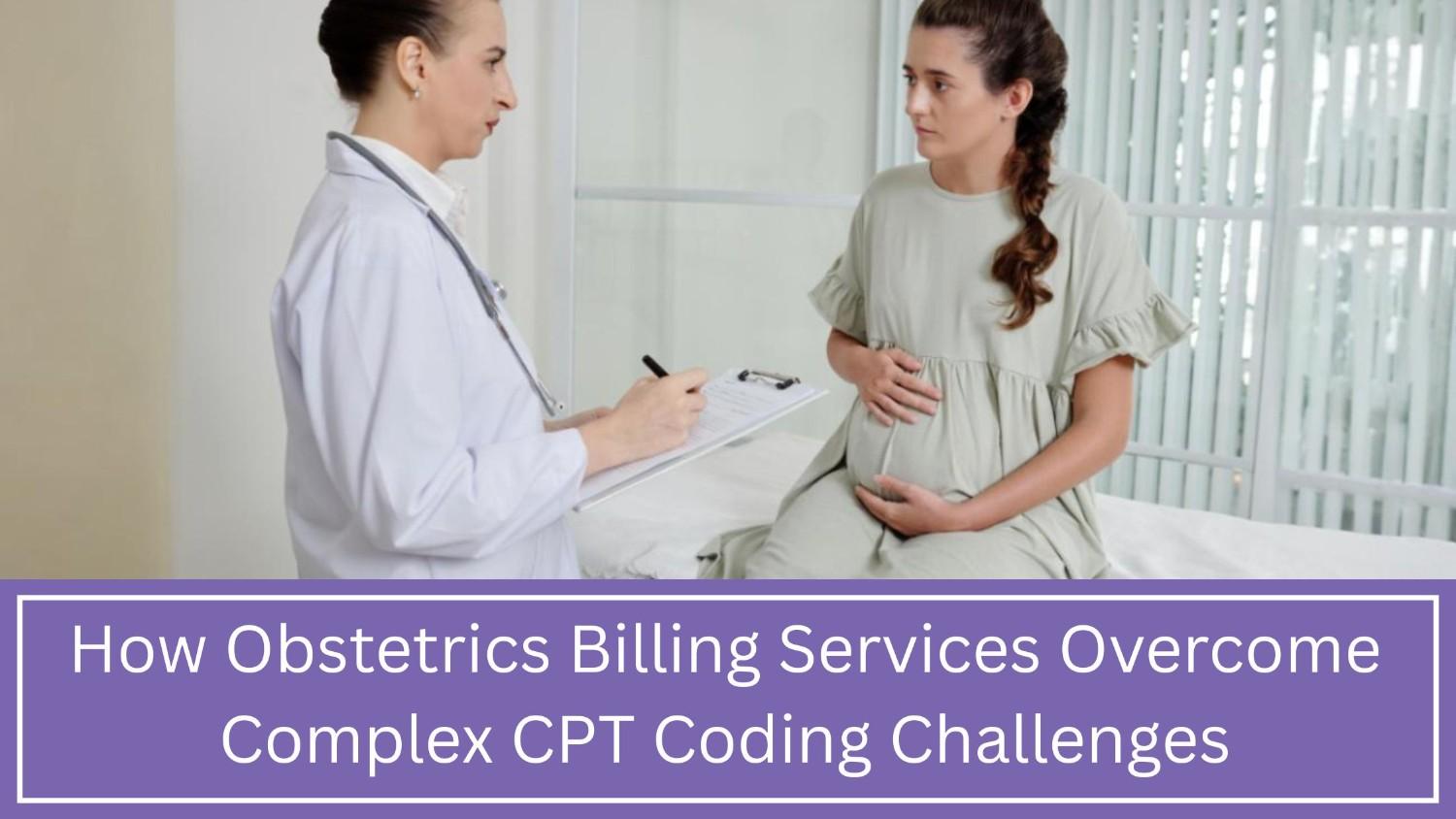
How Obstetrics Billing Services Overcome Complex CPT Coding Challenges
Obstetrics care drives revenue by bringing in new patients—literally. But billing for it? That’s where the real work begins. The problem? CPT codes. Miss one, and you miss getting paid.
Think of CPT codes as price tags for care: first visits, scans, labs, deliveries—each needs its own code. Get it wrong, and your cash flow takes a hit. Get it right, and your practice thrives. Simple, but not easy.
If the billing codes are wrong, claims get rejected. That’s lost money, frustrated teams, and unpaid work.
Obstetrics billing services fix this by ensuring accuracy. Here’s what we’ll cover:
- Why obstetrics CPT codes trip up even good teams
- Common mistakes and how they happen
- How medical billing services eliminate these errors
- What’s changing in obstetrics billing (2025–2026 updates)
- Hard numbers on how better billing boosts revenue
- Simple steps to streamline your process
- How Practolytics gets you paid faster
Let’s start with the core issue.
What Are CPT Codes and Why Do They Matter
CPT stands for Current Procedural Terminology—the AMA’s billing language that translates patient care into insurance claims.
For OB/GYNs, these codes track:
- Routine checkups
- Ultrasound scans
- Genetic screenings
- Birth services
- Recovery care
- Urgent interventions
Clean data means faster reimbursements.
For every service billed, use the correct CPT codes. Wrong codes mean:
- Claim denials
- Slow payments
- Lower reimbursements
- More paperwork
Most specialties lose small amounts due to errors. But in OB/GYN, mistakes hit harder—thousands per claim, since pregnancy and delivery costs run high.
Bottom line: OB coding demands precision. Every dollar counts.
Why Obstetrics CPT Coding Is Complex
Obstetrics billing isn’t like other specialties—it’s a maze of details that cost you money if missed. Here’s why:
1. Pregnancy isn’t one service; it’s dozens.
A single patient’s journey includes:
- Initial prenatal visit
- Monthly check-ins
- Labs, ultrasounds
- High-risk care (if needed)
- Labor admission
- Delivery (vaginal or C-section)
- Newborn care
- Postpartum follow-ups
Each step has its own CPT code. Some bundle services, some bill by the hour, and others depend on the provider. Without deep know-how, your billing team will undercode (losing revenue) or overcode (risking audits).
Bottom line: Obstetrics billing needs sharp eyes and sharper systems.
2. Multiple Payers With Different Rules
Patients in obstetrics typically fall under these payment options:
- Medicare
- Medicaid
- Private insurers (Blue Cross, Aetna, Cigna)
- Employer-backed plans
- Discount programs
Every payer operates differently. Key differences include:
- Covered services
- Pre-approval requirements
- Documentation demands
- Payment splits for delivery vs. prenatal care
A code approved by one may be denied by another—policies dictate everything.
3. Bundled Payments Explained
In obstetrics, care is often billed as one package—covering prenatal visits, delivery, and postpartum checks. Think of it like a combo meal: miss one ingredient (or miscode it), and the whole payment gets held up. Other specialties bill each service separately, but here, accuracy matters more—one error affects everything.
4. Modifiers: Small Codes, Big Impact
Modifiers tweak how insurers read your billing codes. For example:
- Modifier 25: “This was a separate visit, same day.”
- Modifier 59: “This procedure stands alone.”
Use them wrong? Claims get denied, payments shrink, and auditors come knocking. In obstetrics, modifiers are your fine-print allies—handle with care.
5. Medical Necessity Documentation
Insurance wants clear answers: “Was this service essential?”
For OB care, your records must prove:
- Pregnancy confirmed
- Tests justified by need
- Visits aligned with care standards
Weak documentation = payment delays. Get it right upfront.
Common Errors in Obstetrics Billing
Even experienced medical billing teams slip up on obstetrics claims. Watch out for these costly errors:
- Wrong delivery codes – Like charging for a vaginal delivery when it was a C-section.
- Missing modifiers – These small details can mean the difference between full payment and a denial.
- Not recognizing bundled payments- Splitting bundled services into separate charges? That’s a fast track to claim rejections.
- Missing prenatal care codes- No initial prenatal codes? You’re leaving money on the table—simple as that.
- Ignoring payer policies- One insurer demands pre-approval for a test, another pays automatically. Know the rules or lose the cash.
Why These Errors Hurt Your Practice
When obstetrics billing goes wrong:
- Claims bounce back unpaid
- Payments drag out
- AR days climb
- Your team wastes hours on fixes
- Patients see messy bills
- Cash flow gets shaky
Fact: 30% of medical claims get denied at first because of coding mistakes. Obstetrics practices feel this pain too.
When denials hit, your billing team wastes hours:
- Tracking down the issue
- Correcting codes or notes
- Pushing paperwork again
That’s hours stolen from patient care—and dollars lost per minute.
How Obstetrics Billing Services Handle Complex CPT Codes
Good obstetrics billing gets results. Here’s their playbook:
1. No Guesswork, Just Know-How
Their teams train hard to:
- Code maternity care right
- Track insurer rules for pregnancy
- Adapt fast when CPT codes change
- Apply modifiers like pros
2. Coverage Sorted Upfront
Before your patient walks in, they:
- Confirm active insurance
- Map out covered benefits
- Flag any needed approvals
3. Documentation Done Right
Before billing starts, coders check records to confirm:
- Services match what’s documented
- Care was medically necessary
- All key details are there
If something’s unclear, they ask—no guessing. Fewer rejects, faster payouts.
4. Modifiers That Work
Modifiers get used only when:
- They fit the service
- Payer rules allow it
- The paperwork backs it up
No sloppy tags. Fewer fights over denials.
5. Daily Claim Scrubbing
We clean up claims before sending them out—like polishing a final draft.
Here’s how:
- Correct coding errors
- Trim unnecessary fluff
- Align with payer requirements
- Fill in missing pieces
Clean claims mean faster payments and fewer headaches.
6. Denial Detective Work
Top billing teams don’t just react—they hunt patterns.
When denials hit for:
- Miscoded procedures
- Skipped approvals
- Thin paperwork
They patch the leak, not just mop the floor. Less repeat work, more profit.
Trends in Obstetrics Billing for 2025–2026
The world of medical billing is changing. Practices that don’t adapt will lose revenue. Here are key trends:
1. AI-Assisted Coding Checks
AI tools now scan clinical notes and suggest appropriate CPT codes. This helps:
- Catch errors before claims go out
- Speed up medical coding
- Reduce denials
2. Real-Time Eligibility Systems
Instead of checking coverage manually, automated systems confirm:
- Active insurance
- Covered benefits
- Pre-approval needs
This reduces surprises at billing time.
3. Practice Dashboards for Billing Trends
Modern dashboards give you the pulse of your billing:
- Top denial codes at a glance
- Real-time payment turnaround
- Error hotspots pinpointed
- Fast vs. slow payers compared
Turn insights into action—no guesswork needed.
4. EHR Integrations That Work
Seamless connections to:
- Your advancedMD EHR system
- Practice management tools
- Insurance portals
Cut the double work. Get paid faster.
5. Focus on Patient Experience
Clear billing keeps patients happy. Here’s how we make it work:
- Send easy-to-understand statements
- Provide flexible payment options
- Explain costs upfront
Satisfied patients pay sooner and bring more business.
Real Stories: Billing Challenges in Obstetrics
Let’s look at two everyday billing mistakes that hurt revenue.
Case 1: The Missing Modifier
A pregnant patient gets an ultrasound and a consultation on the same day. The coder misses the modifier showing these were separate services.
Outcome: The insurer combines them and underpays.
Fix: A sharp billing team spots this and fixes it before filing.
Case 2: Coding Mistake Costs Cash
A doctor handles a tricky birth with extra tools. The billing team picks a basic code instead of the right one.
Outcome: Claim rejected.
Fix: Using the exact code gets full payment.
Case 3: Insurance Gap Hits Revenue
A patient’s insurance switched halfway through pregnancy. The front desk missed the update.
Outcome: Unpaid prenatal checks.
Solution: Real-time coverage checks stop denials before they happen.
How Obstetrics Billing Improves Financial Health
When billing runs smoothly:
- Money comes in on time
- Fewer unpaid claims
- Less rejected paperwork
- Teams work without panic
- Happy patients stay loyal
- Room to grow your business
Smart billing = real profit.
How Practolytics Helps With Obstetrics Billing
Obstetrics billing shouldn’t slow you down. Practolytics makes CPT coding and billing smooth so you can focus on patient care.
Here’s what we deliver:
Accurate Coding
Our team + tech gets CPT codes right the first time—fewer mistakes, faster payments.
Insurance Made Simple
Check patient coverage upfront. No more claim denials or billing surprises.
Bulletproof Documentation
We help align clinical notes with billed services, so payers approve claims faster.
Claim Scrubbing & Submission
We check every claim against payer rules before sending it—so you get paid faster.
Denial Tracking & Solutions
When claims get denied, we don’t just fix them. We find the root cause to stop it from happening again.
Real-Time Revenue Insights
Know your cash flow status instantly—see stalled claims, trends, and where money’s moving.
Get Paid Quicker
Fewer mistakes mean faster payments. Clean claims = more money in your pocket, sooner.
Conclusion: Billing the Right Way Matters
Obstetrics billing isn’t easy. It’s packed with tricky steps, endless codes, and insurance hoops to jump through. Get it wrong, and money leaks out—denials pile up, growth stalls.
But nail it? That’s when magic happens:
- Claims turn into cash faster
- Teams stop second-guessing every form
- Bills get paid without the headache
- You finally see where the money’s really going
Smart billing equals smart business.
Practolytics helps OB-GYN practices get paid faster and with fewer headaches.
Here’s how we fix billing:
- Fewer mistakes
- Faster cash flow
- More revenue
- Less admin work
Stop losing money on messy billing. Practolytics handles the hard stuff so your team doesn’t have to.

ALSO READ – Simplifying Revenue Management: How Medical Billing Services Empower Small Practices
Talk to Medical Billing Expert Today — Get a Free Demo Now!