
Fast-Track Credentialing for Rural Health Clinics
When you run a rural health clinic, every provider matters. One delayed credentialing application can mean weeks — sometimes months — of lost revenue. We’ve worked with rural administrators who felt stuck waiting for approvals while payroll and operational expenses continued piling up.
That’s exactly why we built structured systems around fast track credentialing for rural health clinics depend on. Our goal is simple: get providers enrolled quickly, accurately, and without unnecessary back-and-forth from payers.
But before we get deeper into credentialing, let’s briefly talk about something that directly impacts reimbursement.
Table of Contents
How to Avoid Common Charge Capture Mistakes in Healthcare?
Credentialing gets you approved. Charge capture gets you paid.
Even after approval, rural clinics can lose thousands due to documentation gaps, incorrect CPT coding, or missed charges. We’ve seen situations where providers were credentialed properly, but billing teams used outdated fee schedules. The result? Underpayments and denials.
Here’s what we recommend:
- Align EHR templates with payer rules
- Conduct routine internal audits
- Train providers on documentation compliance
- Verify payer contract terms before billing
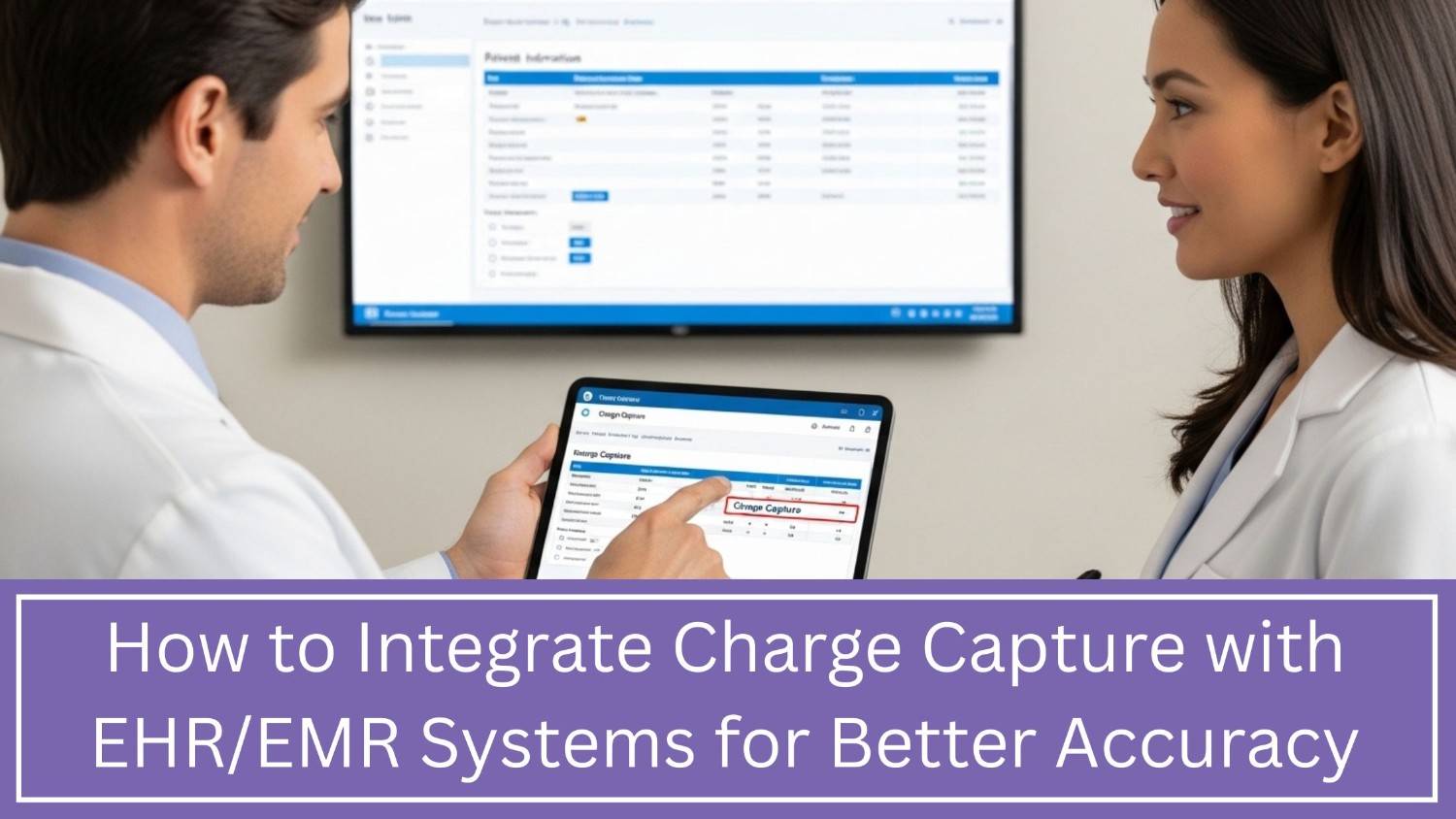
When proper charge capture supports fast-track rural clinic credentialing, the revenue cycle becomes smooth from day one.
Understanding Rural Health Clinic (RHC) Enrollment Complexity
Rural Health Clinics operate under a different framework compared to urban practices. Enrollment involves CMS certification, Medicare and Medicaid approvals, and multiple commercial payer contracts.
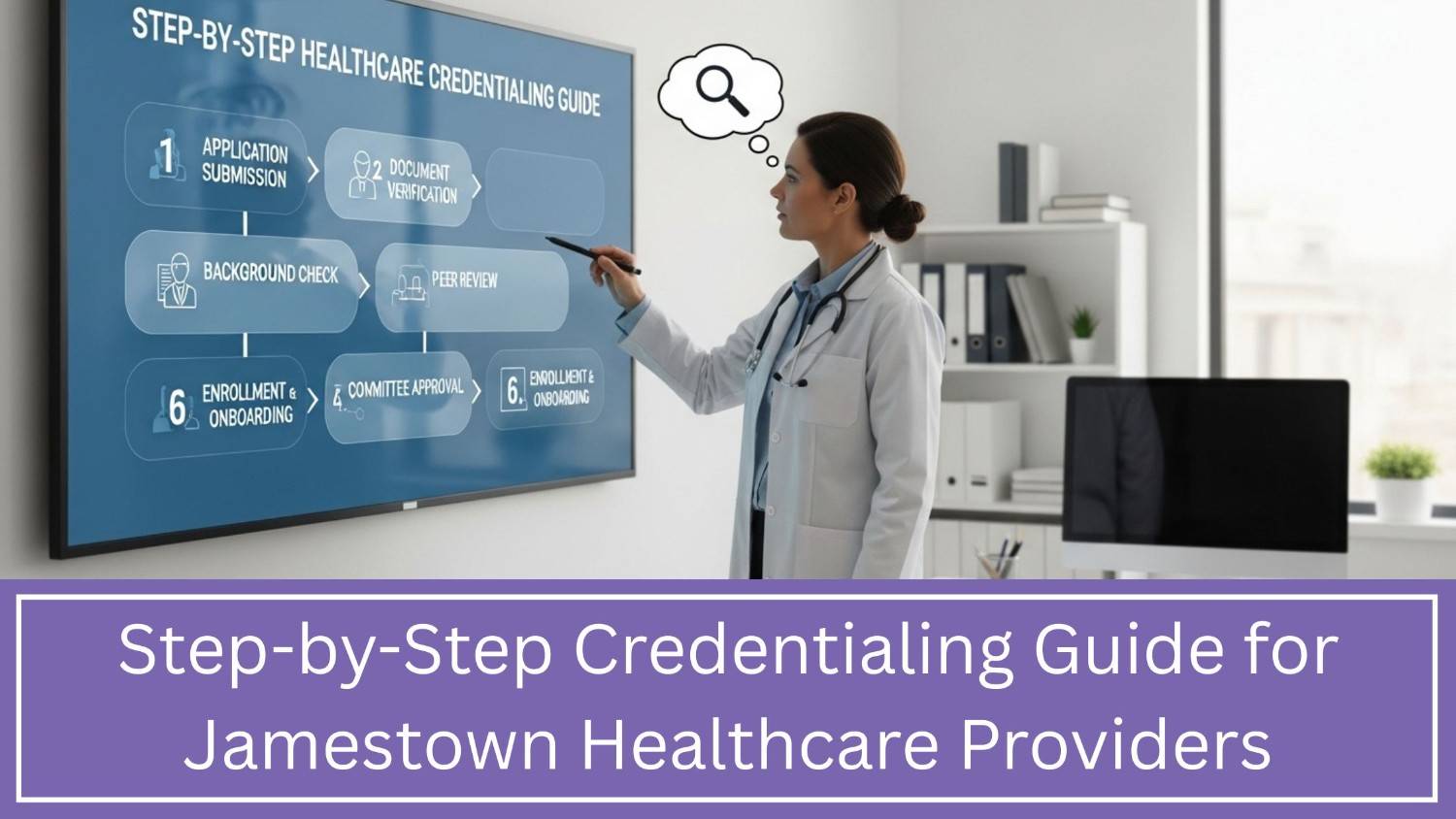
The rural health clinic credentialing process checklist is long and detailed. It includes:
- CMS-855 enrollment forms
- State Medicaid applications
- CAQH profile completion
- Collaborative agreements (where applicable)
- Malpractice verification
- Board certification documents
Without a structured step-by-step rural clinic credentialing guide, it’s easy to miss something small that causes major delays.
We often step in after clinics attempt enrollment themselves and experience stalled applications. Many don’t realize that incomplete CAQH attestations or outdated malpractice certificates are common reasons for payer rejections.
That’s where Provider credentialing rural clinics requires focused attention. Rural clinics often have fewer administrative staff, so credentialing tasks compete with billing, scheduling, and patient coordination.
Our approach to Expedited credentialing RHC is proactive. We don’t wait for payers to flag missing documents. We identify gaps before submission.
Operational Workflow Model for Rural Clinics
Speed only works when supported by structure. Over the years, we refined a repeatable process for quick credentialing for rural health clinics.
Here’s how our workflow operates:
1. Pre-Submission Audit
Before submitting anything, we conduct a documentation review. This includes verifying licenses, confirming NPI taxonomy codes, and reviewing CAQH completeness. These are some of our most practical fast credentialing tips for rural clinics.
2. Centralized Documentation System
Lost emails and scattered PDFs cause delays. We use structured digital systems that act as credentialing support tools for rural health teams. Everything is organized and easily retrievable.
3. Parallel Payer Enrollment
Instead of enrolling providers one payer at a time, we initiate multiple submissions simultaneously. This significantly improves credentialing timeline optimization rural health efforts.
4. Proactive Follow-Up
Many applications sit untouched unless someone follows up. We schedule systematic payer check-ins, which plays a big role in reducing credentialing delays in rural healthcare.
5. Real-Time Status Updates
Administrators should never wonder where things stand. Our dashboards reflect the current stage of each enrollment application.
These steps reflect credentialing best practices for RHC administrators who want control without micromanaging the process.
Key Performance Indicators for Fast-Track Credentialing Success
We believe in measuring what matters. For fast-track credentialing requirements for rural clinics, we track:
- Average days to approval
- Clean submission rates
- First-pass acceptance percentage
- Enrollment backlog volume
- Revenue activation timeline
When we analyze these metrics, we refine our credentialing strategies for rural health providers continuously.
We’ve learned that even reducing approval timelines by 20–30 days can significantly improve cash flow for rural clinics operating on tight margins.
Cost-Benefit Analysis of Outsourcing Fast-Track Credentialing
Many administrators ask whether they should handle credentialing internally.
Let’s look at reality.
Internal credentialing often requires:
- Dedicated staff salaries
- Credentialing software tools
- Ongoing compliance training
- Time spent on follow-ups
When internal teams are overwhelmed, applications get delayed.
Outsourcing fast track credentialing rural health clinics allows clinics to focus on patient care while experts manage enrollment.
We follow structured systems for how to expedite provider credentialing rural health without cutting corners. Faster enrollment means providers can bill sooner, which directly impacts revenue.
In most cases, the revenue gained from early billing outweighs outsourcing costs.
Future of Rural Credentialing Services
Credentialing is changing. Payers are introducing more portal-based submissions and digital verification tools.
We see the future of Expedited credentialing RHC involving:
- Automated CAQH syncing
- AI-driven document validation
- Digital license verification
- Real-time enrollment dashboards
Automation will continue to enhance credentialing timeline optimization rural health, but human expertise remains crucial.
Every state has unique Medicaid rules. Commercial payers vary widely. That’s why combining technology with experienced oversight strengthens credentialing strategies for rural health providers.
Telehealth and Multi-State Credentialing for Rural Health Clinics
Telehealth opened new doors for rural providers. But it also added credentialing complexity.
Multi-state licensure, payer-specific telehealth enrollment forms, and cross-state Medicaid approvals create new layers of compliance.
A strong step-by-step rural clinic credentialing guide becomes essential when providers expand services virtually.
We assist with:
- Multi-state licensing verification
- Telehealth-specific payer enrollment
- Updating CAQH for telemedicine services
- Tracking approvals across states
This reduces confusion and supports reducing credentialing delays in rural healthcare, especially for expanding clinics.
Telehealth growth also increases the need for reliable credentialing support tools for rural health teams to manage ongoing renewals and updates.
Why Practolytics Supports Rural Clinics Differently?
We don’t treat credentialing as a standalone service. It’s part of a complete revenue strategy.
Our network includes over 1400 providers and 180+ practices across 31 states. We’ve processed millions of claims annually while maintaining strict compliance standards.
When rural clinics partner with us for Provider credentialing rural clinics, they also gain:
- 24-hour claim submission processes
- Eligibility verification workflows
- Aggressive AR management
- Detailed financial reporting
Our integrated approach aligns credentialing with billing, coding, and collections — ensuring revenue continuity from enrollment to reimbursement.
Common Credentialing Delays And How to Prevent Them!
Even experienced administrators encounter delays. Common issues include:
- Expired licenses
- Incomplete CAQH profiles
- Missing malpractice documentation
- Slow payer responses
- Inconsistent follow-up
Here are actionable fast credentialing tips for rural clinics:
- Maintain a credentialing calendar
- Review CAQH quarterly
- Renew licenses early
- Track submission dates
- Document all payer communications
These small habits strengthen credentialing best practices for RHC administrators and reduce costly setbacks.
Building Long-Term Credentialing Stability
Fast approvals are important, but long-term maintenance matters just as much.
Revalidation, recredentialing cycles, and payer audits can disrupt revenue if ignored. Sustainable fast-track rural clinic credentialing includes ongoing monitoring.
We recommend quarterly reviews of:
- Provider demographics
- Taxonomy codes
- Contract participation status
- License expiration timelines
This supports continuous credentialing timeline optimization rural health and prevents last-minute crises.
Conclusion:
We know rural clinics don’t have time to keep chasing payers. Fast-Track Credentialing for Rural Health Clinics is really about staying ahead — keeping documents ready, submitting correctly the first time, and not letting applications sit without follow-up. When approvals move faster, billing starts faster. That stability makes a real difference for small teams. Less waiting, fewer surprises, and more focus on patient care — that’s the goal.
1.How can fast-track credentialing help my rural health clinic start billing payers sooner?
Clean applications and regular follow-ups prevent files from getting stuck. Once approval comes in, billing can begin right away.
2.What documents do I need to speed up credentialing for my rural health clinic?
Active NPI, current state license, malpractice insurance, CAQH profile, board certification, and completed payer forms.
3.How long does fast-track credentialing take for rural health clinics compared to standard enrollment?
Standard timelines can run 90–180 days. A more organized, hands-on process can reduce that — depending on the payer.
4.Can fast-track credentialing reduce revenue delays for new providers in rural areas?
Yes. Faster enrollment means fewer unpaid weeks after a provider joins.
5.Which insurance payers offer expedited credentialing for rural health clinics?
It varies by state. Medicare, Medicaid, and some commercial insurers may offer quicker processing in certain cases.
6.How can I avoid common credentialing delays in rural health clinic enrollment?
Keep everything updated, review before submitting, and follow up consistently. Most delays happen because something small was missed.
Read More – Prior Authorization Services for Podiatry : improving Patient Access and Care
Talk to Medical Billing Expert Today — Get a Free Demo Now!