
Understanding Prior Authorization for Medication
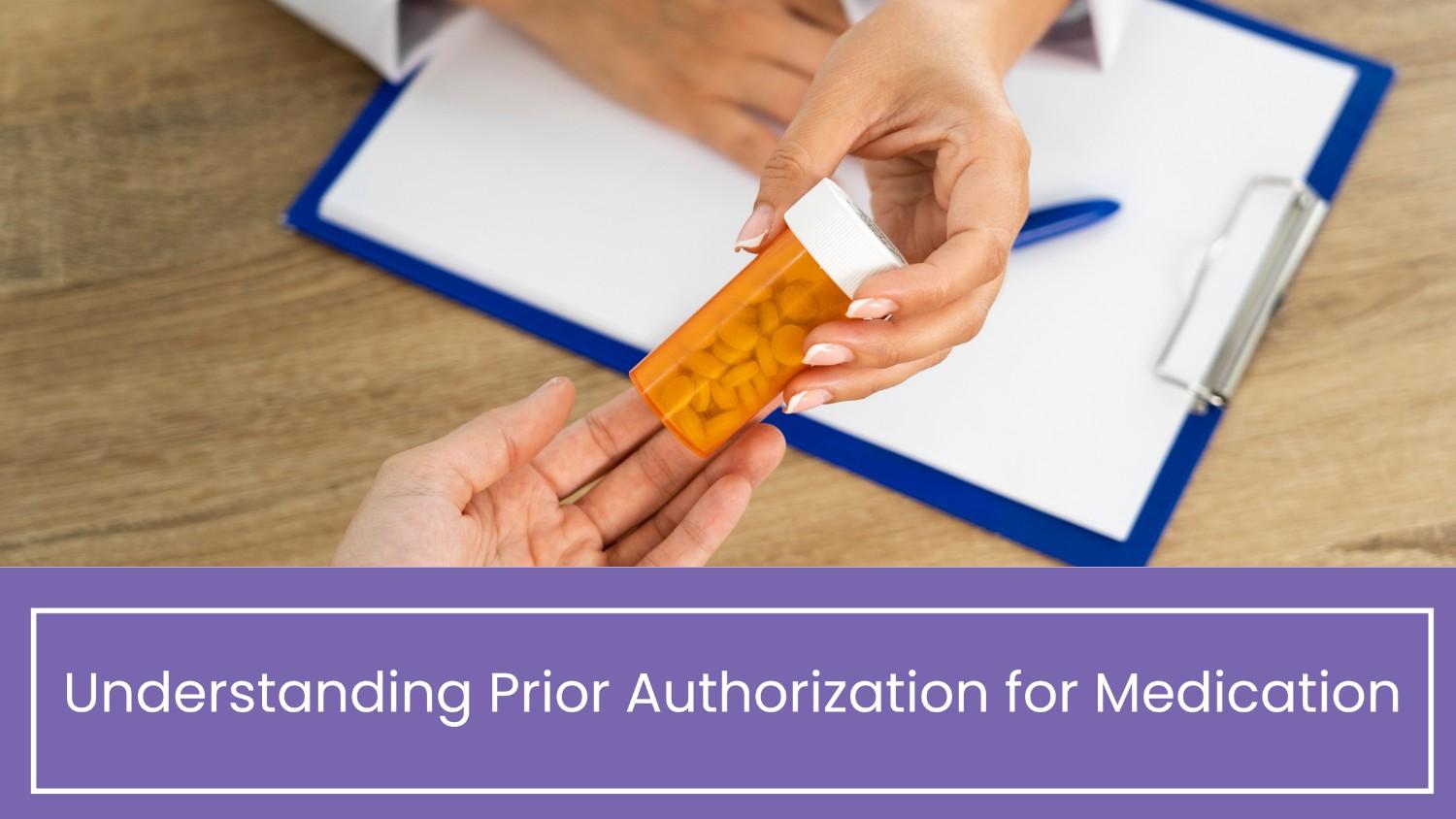
Understanding prior authorization for medication requires explanation because it exists as the link between prescription writing and pharmacy operations. The insurer needs to assess the medication request because they want to determine its cost before they will provide payment. The review process exists to verify the medical necessity and safety of the drug while assessing costs when the drug has high expenses and severe side effects and there are cheaper treatment options. The doctor’s office submits requests to insurance companies as the common practice, which patients do not follow.
Patients find Prior Authorization for Medication to be confusing because of this reason. The prescription needs correct writing but requires plan approval before it can proceed to the next stage. The complete documentation results in a smooth process, but missing information causes a delay that makes everything move extremely slow. The issue extends beyond the concept itself because it includes delays resulting from missing documents and difficulties defining medical needs and continuous communication between providers and payers.
Table of Contents
Which Medications Typically Require Prior Authorization?
Some prescriptions need approval while others do not need approval. The procedures for approval require the identification of specific drug categories which need approval. The most common cases of drug approvals require authorization for expensive brand-name drugs and specialty drugs and safety-risk medications and abuse potential drugs and cases where cheaper alternatives exist. The process of prior authorization requires insurers to verify that the selected medication serves its intended purpose while assessing whether a more affordable substitute exists.
This is the real reason How to Get Prior Authorization for Medication is not the same for every drug. A basic antibiotic may be covered immediately, while a biologic, injectables for chronic disease, or another specialty drug may require more review. If the medication is high-cost, unusual, or tied to a specific diagnosis, the payer usually wants more proof before approving it. That is also why generic substitution and step-therapy questions come up so often in pharmacy benefit workflows.
Why Specialty Drug Prior Authorization Takes Longer?
The process of obtaining specialty drugs becomes more difficult because the request requires additional medical information. The payer requires complete diagnosis codes together with previous treatment records and laboratory results and medical chart notes and a detailed justification which proves standard treatment methods are insufficient. The request stops progressing because the required evidence is not complete. The Centers for Medicare and Medicaid Services established electronic prior authorization as a primary initiative because the existing system produces excessive administrative work for healthcare providers.
There is also a simple business reason. Insurers become more cautious about specialty drugs because these medications have high price points. Harvard Health notes that prior authorization for medications is more likely when drugs are costly, have serious side effects, interact with other drugs, or carry abuse risk. The actual problem exists because payers require excessive documentation before they will approve drug treatment.
How Long Does Prior Authorization for Medication Take?
The treatment start time depends on answering the question about how long prior authorization take. The complete information of medication requests usually results in a 24 to 72 hour processing time for most requests. Blue Shield of California states that medication prior authorization processes require 24 to 72 hours to complete because Express Scripts reports that doctors complete almost all coverage reviews within two days after providing full documentation.
The Medication prior authorization timeline extends when requesters submit incomplete documentation about complex drugs that require additional evaluation. HealthPartners states that most medication-related requests get processed within 24 hours, but different payers organize their operations at diverse speeds. Some reviews finish in a day, some take a few business days, and some drag on longer when the office has to resend missing records or answer follow-up questions. The submission quality determines the time to approval process because weak submissions will take longer than strong submissions.
Prior Auth Approval Time measurement depends on comparing a fully organized file against a disorganized file. CMS says payers are working toward standardized electronic workflows, and some determinations may even happen in real time in the future. The practical rule requires complete documentation to improve processing speed while incomplete documentation results in processing delays.
How to Speed Up Prior Authorization for Medication
The fastest way to Speed up prior authorization is not magic. It is preparation. The provider should send the request with the diagnosis, prior treatment history, medication rationale, supporting notes, and any required lab work already attached. Blue Shield says the doctor usually starts the process, and HealthCare gov says additional information such as a letter from the doctor can be submitted during appeal if needed. In plain English: the cleaner the packet, the faster the decision.
To speed up prior authorization for medication, the office should also use electronic prior authorization whenever possible, follow up on missing items immediately, and confirm that the payer received the request. Express Scripts notes that electronic systems can produce determinations within minutes in some cases, and CMS is actively pushing APIs and standardized workflows to reduce administrative burden. That is where Prior authorization Process steps actually matter: submit complete documentation, track the request, respond to payer questions quickly, and document every contact.
If the request is denied, do not waste time guessing. A Prior Authorization Denial appeal should start with the denial reason, then move to stronger documentation.Healthcare.gov says you can submit additional information and file an internal appeal, and Express Scripts says the denial letter explains appeal rights. If the plan suggests a covered alternative, the prescriber may also switch to that option when it is clinically appropriate. That is often faster than fighting a weak request with weak evidence.
Future of Prior Authorization in Medication
The future is clearly electronic, but it requires time before people find it easy to use. The CMS reports that health plans and EHR vendors are developing standardized electronic prior authorization systems while CMS-regulated health plans will start using APIs from January 1 2027. CMS establishes three objectives which include decreasing administrative workload and enhancing patient care while creating automated solutions for all areas of the process. The improvement represents actual progress instead of being another marketing term.
The process requires multiple steps before completion. The AMA continues to push for faster payer response times because delays can harm patients and overwhelm practices. CMS defines provider work dedicated to prior authorization as 13 hours per week which results in 34 thousand dollars of administrative expenses and 700 hours of work time for each provider throughout the year. The future will not develop in a state which requires no prior authorization. The future will develop through solutions which decrease operational barriers while enabling quicker evaluations and enhanced automated processes.
Conclusion:
Understanding the process is half the battle. Prior authorization Process delays usually come from incomplete documentation, payer rules, or a drug that needs extra review. The faster path is simple: submit complete clinical evidence, verify the request, follow up quickly, and appeal denied requests with stronger support. That is the practical version of Prior Authorization Services for Medication. It is not glamorous, but it works. And with electronic systems expanding, the process should become less painful over time, even if it is still imperfect today.
1. Who usually starts prior authorization for a medication?
Usually, the doctor’s office starts it by sending the request and the supporting clinical details to the payer. Patients can follow up, but the provider typically submits the actual request.
2. What helps a prior authorization get approved faster?
Complete documentation, correct diagnosis details, prior treatment history, and fast responses to payer questions. Electronic submission can also shorten the wait.
3. What should I do if prior authorization is denied?
Review the denial reason, ask for the appeal process, and submit stronger medical evidence or a letter from the doctor. If a covered alternative exists, that may be the faster route.
4. Will electronic prior authorization replace the old manual process?
Not completely yet, but CMS is clearly moving the system in that direction through APIs and interoperability rules. The manual process is likely to shrink, not disappear overnight. ults.
ALSO READ – Addressing the Limits of the New CMS Prior Authorization Rules
Talk to Medical Billing Expert Today — Get a Free Demo Now!