
Reducing Claim Denials Through Effective Eligibility Verification
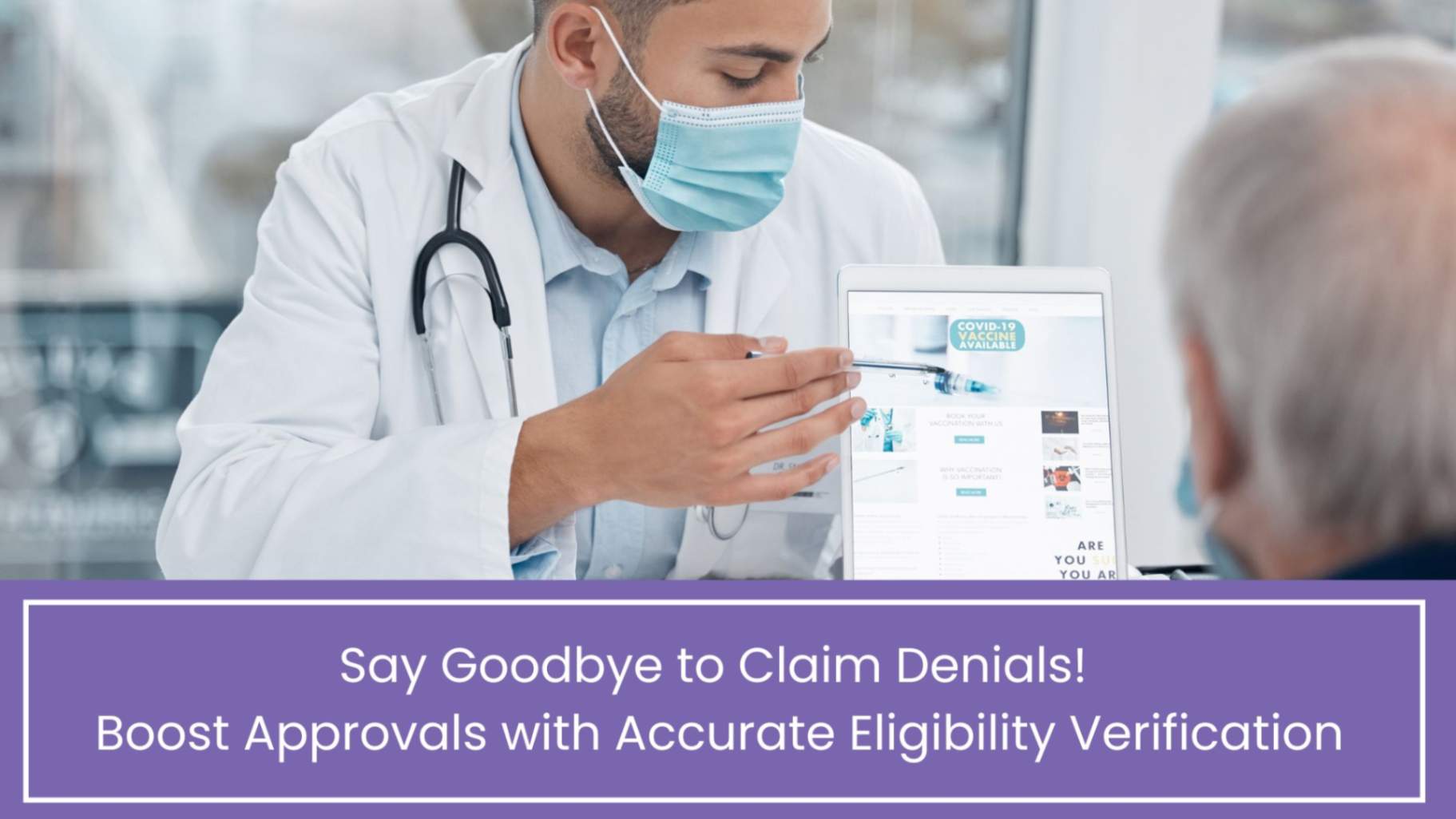
Denied claims cost you time and money. Most of them don’t have to happen. Reducing claim denials through effective eligibility verification starts with one simple step. Check the patient’s insurance before they come in. If insurance details are wrong, the claim gets rejected. Then your staff has to fix it later. This takes even more time. At Practolytics, we help stop this before it starts. We check coverage. We confirm benefits. We catch problems early. This means fewer denials. It means faster payments. It means less stress for your team. Small steps, done right, make a big difference.
Table of Contents
How Effective Eligibility Verification Helps Reduce Claim Denials?
Claim denials are a big headache in healthcare billing. They waste time. They waste money. But most denials come from one simple problem. Bad or missing insurance information.
This is why reduce eligibility related denials work matters so much. If you check insurance before the visit, you catch most problems early. No guessing. No waiting weeks for a claim to bounce back.
At Practolytics, we see this happen often. Practices that check eligibility the right way get fewer denials. They get paid faster too. Practices that skip this step often chase claims for months.
In this blog, we’ll explain what eligibility verification means. We’ll cover common mistakes. And we’ll show how one simple step protects your revenue.
What Is Eligibility and Benefits Verification in Medical Billing?
Let’s keep this simple. Eligibility and benefits verification means checking two things before a visit:
- Is the insurance active? This tells you if the coverage is still good.
- What does the plan cover? This tells you what’s included, and what the patient may owe.
This check happens before the visit. Not after. Here’s why that matters:
- It tells you if the visit will get paid.
- It tells the patient what they may owe.
- It catches problems early, before the claim is sent.
- It saves your staff from fixing mistakes later.
This is part of the full eligibility verification process in medical billing. It’s one of the easiest ways to stop denied claims.
Common Eligibility Errors That Lead to Claim Denials
Most claim denials come from a few simple mistakes. Here are the most common ones:
- Inactive insurance. The plan ended, but no one checked first.
- Wrong patient info. A wrong name or birth date can cause a denial.
- Service not covered. The plan is active, but it doesn’t cover that visit.
- No prior authorization. Some services need approval first. Skipping this causes denials.
- Old insurance info. Patients change plans and don’t always tell you.
- Check-in mistakes. Small typing errors at check-in cause big problems later.
These are called registration and eligibility denials. Almost all of them can be avoided with a simple check first.
Eligibility vs. Benefits vs. Prior Authorization: What’s the Difference?
These three words get mixed up a lot. Here’s the simple version:
- Eligibility verification checks if the insurance is active right now.
- Benefits verification checks what that insurance actually pays for.
- Prior authorization is separate approval some insurers need before certain services.
Why does this matter?
- A patient can have active insurance but no coverage for one service.
- A service can be covered but still need approval first.
- Skipping any one of these three steps can lead to a denied claim.
Doing all three right is what stops healthcare claim denials due to verification problems.
Step-by-Step Eligibility Verification Process to Prevent Denials
Here’s a simple process that works well:
- Step 1: Get insurance details early. Ask for this when the visit is booked, not on the day of.
- Step 2: Check the coverage. Confirm the plan is active.
- Step 3: Check the benefits. Confirm what’s covered, plus copays and deductibles.
- Step 4: Check for prior authorization. Some services need approval first.
- Step 5: Talk to the patient. Tell them what they may owe before the visit.
- Step 6: Check again on the day. Insurance can change fast. One more check helps avoid surprises.
- Step 7: Write it down. Keep a record in case of a dispute later.
Practices that follow these steps see far fewer denied claims.
How Better Eligibility Verification Improves the Patient Experience?
This isn’t just about your practice getting paid. It helps your patients too:
- No surprise bills. Patients know what they owe before the visit.
- Less confusion at check-in. Staff aren’t fixing insurance problems on the spot.
- Faster check-in. When eligibility is already checked, visits move faster.
- More trust. Patients like clear, upfront answers about cost.
- Fewer arguments later. Clear info from the start means fewer billing fights.
Some practices compare tools, like the healthcare technology company Opus on eligibility related denials, or ask how does diversified billing reduce claim denials and improve collections through automated eligibility verification. But the real answer is simple. Checking early and checking often works, no matter what tool you use.
How Practolytics Helps Reduce Eligibility-Related Claim Denials?
This is work we do every day. Here’s how we help:
- Check insurance early. We verify coverage before the visit, not after.
- Check full benefits. We confirm what’s covered, so there are no surprises.
- Track prior authorization. We flag services that need approval ahead of time.
- Talk to patients clearly. We help your front desk explain costs before the visit.
- Cut denials. Since most denials start here, catching them early stops many problems.
- Speed up payments. Clean, correct claims move through faster.
- Stay on top of changes. We track insurance changes so you don’t have to.
Our goal is simple. Catch problems early. Keep your revenue steady.
Conclusion
Most claim denials come down to one thing. Missing or wrong eligibility checks. The good news is, this is easy to fix. With the right steps, you can avoid denials, get paid faster, and give patients clear answers about cost. Practolytics helps you build this process the right way, so billing stays simple and revenue stays steady.
FAQs
How does eligibility verification reduce claim denials?
Eligibility checks catch problems before a claim is sent. Most denials happen from small mistakes that could have been caught early.
- Confirms the insurance is active
- Checks if the service is covered
- Flags missing prior authorization
- Cuts down on data entry errors
Does active insurance mean a claim will be paid?
No. Active insurance only means the plan hasn’t ended. It doesn’t mean the service is covered.
- The service still needs to be included in the plan
- Some services need approval first
- Copays and deductibles still apply
- Coding still needs to be correct
What are the most common eligibility-related claim denials?
Most of these come from small, avoidable mistakes made at check-in.
- Inactive or expired insurance
- Wrong patient details, like name or birth date
- Services not covered by the plan
- Missing prior authorization
- Old insurance information
What information should be verified before a patient’s appointment?
A few key things should be checked before the visit, not after.
- Insurance status and dates
- Coverage details for the specific service
- Copay and deductible amounts
- Whether prior authorization is needed
- Correct patient details
What is a 270/271 eligibility transaction?
This is just the tech process used to check insurance online.
- A 270 is the request sent to check eligibility
- A 271 is the answer that comes back with coverage details
- This happens in seconds through billing software
- No phone call needed
Can outsourcing eligibility verification improve RCM performance?
Yes. Outsourcing this step often leads to fewer denials and faster payments.
- A dedicated team checks eligibility more often
- It takes work off your front desk
- It catches errors before claims go out
- It leads to cleaner claims and faster payments
What is the difference between eligibility verification and prior authorization?
These are two different steps. Skipping either one can cause a denial.
- Eligibility verification checks if insurance is active and what it covers
- Prior authorization is separate approval needed for some services
- A service can be covered but still need approval
- Both steps must be done to avoid denials

ALSO READ – Understanding Eligibility and Benefits Verification: A Guide for Medical Practices
Talk to Medical Billing Expert Today — Get a Free Demo Now!