
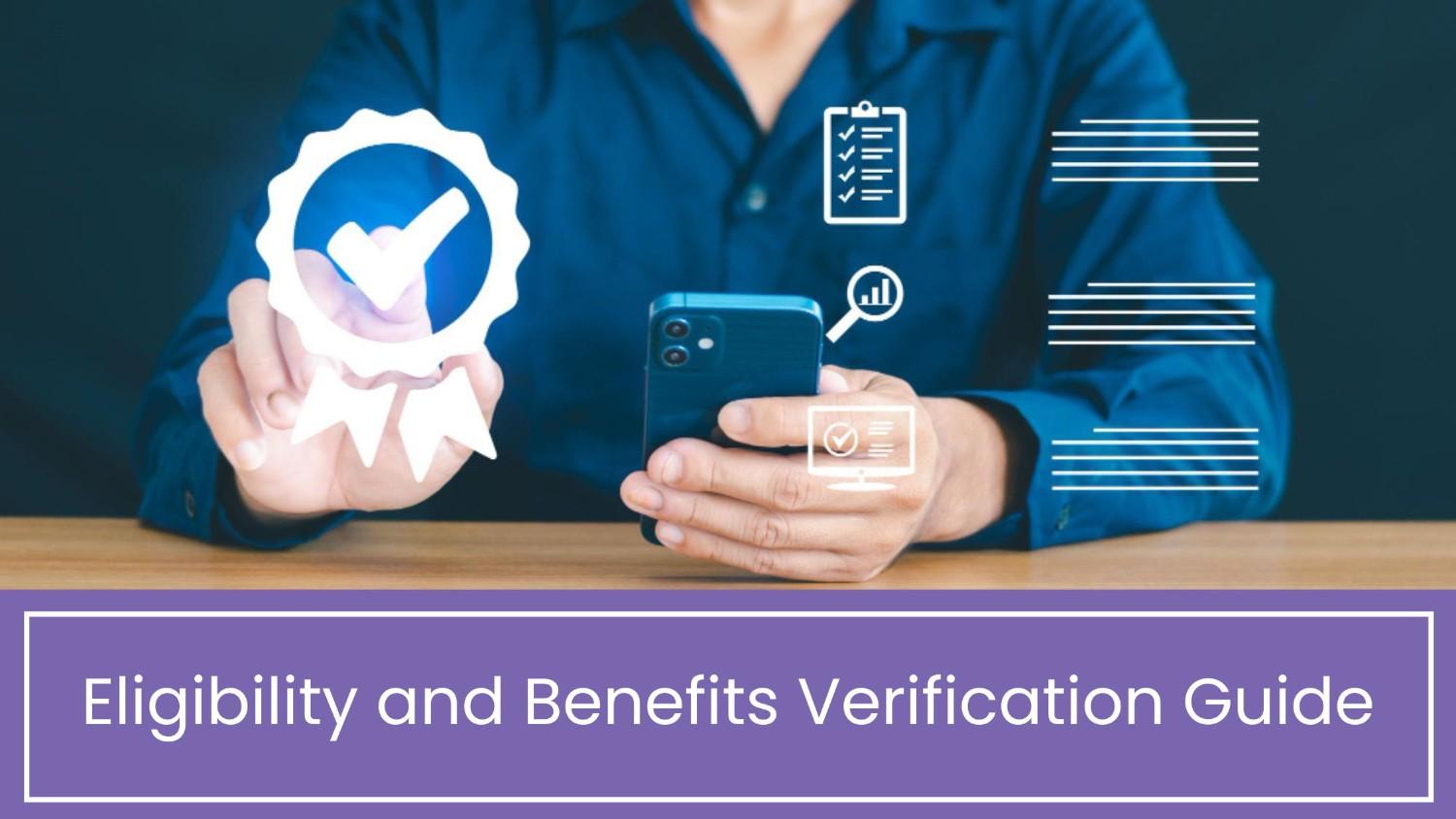
Eligibility and Benefits Verification Guide
A lot of denied claims begin long before billing starts. Someone enters the wrong insurance number. A policy expired and nobody noticed. Prior authorization was missed. These small mistakes slow down payments and create extra work for staff. That is why providers now focus more on strong Eligibility and Benefits Verification Guide processes before patient visits happen. At Practolytics, we help healthcare teams verify insurance faster, improve claim accuracy, and reduce payment delays with real-time checks and simple workflows that fit into daily operations.
Most healthcare providers have dealt with this before. A patient comes in for treatment. Insurance looks active. The visit gets completed. Then the claim gets denied later.
Now the billing team has to stop everything and figure out what went wrong. Sometimes the patient changed insurance plans. Sometimes the deductible was not checked. Sometimes prior authorization was missing. And sometimes it is something very small. A wrong member ID. A typo in the patient name. An expired policy nobody noticed.
These things happen every day.
That is why healthcare eligibility verification matters so much now. A lot of providers think denials begin in the billing department. But many denials actually start during patient intake.
When insurance is not checked properly:
- claims get delayed
- payments slow down
- staff spend more time fixing errors
- patients get confused about balances
Over time, that creates pressure across the entire office.
At Practolytics, we work with providers that are tired of chasing preventable denials. Most of them already have strong billing teams. The real issue is usually at the front end.
Insurance was never fully verified in the first place.
That is where cleaner workflows help.
A better verification process means:
- fewer billing surprises
- cleaner claims
- faster reimbursements
- less rework for staff
And honestly, healthcare teams already have enough on their plate.
Table of Contents
The Core Components of Insurance Verification
The insurance verification process in medical billing is not just checking if insurance is active. There is more involved than people realize.
A proper check helps providers understand:
- what the plan covers
- what the patient owes
- whether authorization is needed
- if referrals are required
- whether the provider is in-network
Missing one detail can create problems later.
Checking Patient Information
The first step sounds simple. But this is where many mistakes happen.
Teams usually confirm:
- patient name
- date of birth
- insurance ID
- group number
- payer details
We have seen claims denied because one number was entered incorrectly. Tiny mistakes become big billing issues later.
Insurance Coverage Verification
Strong insurance coverage verification helps providers confirm the policy is active before treatment happens.
It also helps identify:
- service limits
- inactive plans
- coverage restrictions
- network issues
Without proper checks, providers may complete services that are not covered.
That creates payment delays and patient frustration.
Co-Pay and Deductible Checks
Most patients want cost information before treatment starts. That is why co-pay and deductible verification matters.
It helps providers:
- explain patient balances early
- improve collections
- avoid billing confusion later
Patients appreciate transparency.
Nobody likes surprise medical bills.
Prior Authorization Checks
Missing authorization is still one of the biggest reasons claims get denied. This is why prior authorization and eligibility verification usually work together.
Teams often check:
- authorization rules
- referral requirements
- service approvals
- payer guidelines
Missing one authorization can delay payments for weeks. Sometimes longer.
Medical Billing Eligibility Checks
Strong medical billing eligibility checks help providers catch problems early.
That includes:
- payer verification
- eligibility status
- benefit checks
- coverage review
- policy validation
The earlier issues are found, the easier they are to fix.
Why Eligibility Verification Matters for Revenue Cycle Management?
A lot of providers focus on denied claims after they happen. But preventing those denials early saves much more time. That is why revenue cycle management eligibility verification has become such a major focus in healthcare.
Insurance checks affect:
- clean claim rates
- payment speed
- patient collections
- billing accuracy
And honestly, they reduce stress for staff too.
Reducing Claim Denials
Many providers improve verification workflows mainly to reduce claim denials in medical billing.
Common problems include:
- inactive insurance
- wrong payer details
- missing authorization
- coverage limits
- policy changes
Most of these issues can be caught before treatment begins. That is why verification is one of the best claim denial prevention strategies available.
Better Billing Accuracy
Verification also improves healthcare billing accuracy.
When insurance is checked properly:
- claims need fewer corrections
- billing teams spend less time fixing errors
- reimbursements move faster
Small improvements upfront make a big difference later.
Stronger Revenue Cycle Performance
Good verification helps improve overall healthcare revenue cycle optimization. Instead of reacting to denials later, providers solve problems earlier.
That creates:
- smoother workflows
- cleaner claims
- fewer delays
- better cash flow
The process becomes easier for everyone involved.
Better Patient Communication
Patients want clear information before treatment.
Verification helps providers explain:
- co-pays
- deductibles
- coverage limits
- expected balances
This improves the patient experience and reduces confusion later.
Step-by-Step Verification Workflow
A strong patient insurance verification workflow does not need to be complicated. The goal is simply to catch problems before claims are submitted.
Step 1: Collect Insurance Information Early
Teams should collect insurance details before appointments whenever possible.
That includes:
- insurance cards
- demographics
- payer details
- referral information
Incomplete intake information causes delays later.
Step 2: Verify Insurance in Real Time
Using real-time eligibility verification tools helps staff confirm coverage quickly.
This helps verify:
- active policy status
- effective dates
- payer responses
- eligibility details
Front-desk teams do not have time to sit on payer calls all afternoon anymore. Real-time tools save time.
Step 3: Review Patient Responsibility
Teams should review:
- co-pays
- deductibles
- co-insurance
This improves patient financial responsibility estimation before treatment begins. Patients appreciate knowing costs upfront.
Step 4: Confirm Authorization Requirements
Authorization rules change constantly.
Verification teams should check:
- referrals
- approvals
- service restrictions
- network participation
Missing authorization remains one of the most common reasons claims get denied.
Step 5: Document Everything Clearly
Every verification step should be documented inside the patient record.
Clear documentation improves:
- billing communication
- workflow consistency
- denial follow-up
- audit support
Good records save time later.
Common Challenges in the Verification Process
Even experienced teams struggle with verification sometimes. Healthcare workflows move fast. Small mistakes happen easily.
Insurance Rules Keep Changing
Payers regularly update:
- authorization rules
- coverage requirements
- deductibles
- network participation
Keeping up manually becomes difficult. Especially for busy practices.
Patients Give Incorrect Information
Patients sometimes provide:
- old insurance cards
- incomplete details
- incorrect policy numbers
These small intake problems create denied claims later.
Manual Verification Takes Too Long
Manual workflows slow teams down.
Staff often spend hours:
- calling payers
- waiting on hold
- checking portals
- documenting responses
That creates extra pressure on front-desk staff.
Communication Problems Between Teams
Sometimes billing teams never hear about verification issues.
As a result:
- claims get submitted incorrectly
- denials increase
- reimbursements slow down
Better coordination helps avoid these problems.
Leveraging Technology for Automated Verification
Technology has changed verification workflows a lot over the last few years. Many providers now use automated eligibility verification software to reduce manual work.
Automation helps teams check:
- eligibility
- benefits
- deductibles
- co-pays
- authorization needs
much faster.
Real-Time Eligibility Systems
Modern payer eligibility verification system tools connect directly with payer databases.
This helps providers:
- verify coverage faster
- reduce manual calls
- improve workflow speed
- catch problems early
That alone reduces a lot of billing headaches.
Clearinghouse Verification Tools
A clearinghouse eligibility check helps providers verify coverage electronically.
This reduces:
- manual work
- repetitive data entry
- payer phone calls
It also creates more consistency across departments.
EHR Integration Support
Strong EHR integration eligibility verification workflows help teams:
- access payer data faster
- reduce duplicate work
- improve scheduling workflows
- improve documentation accuracy
Integrated systems make daily operations easier.
Faster Payments
Technology also improves the overall provider reimbursement process.
When insurance gets checked properly upfront:
- claims move faster
- denials decrease
- payments arrive sooner
That creates healthier cash flow for providers.
How Practolytics Helps Healthcare Providers Improve Eligibility Verification?
At Practolytics, we understand how quickly small verification mistakes turn into payment problems. A missed authorization or inactive policy may not seem serious at first.
But over time, these issues create:
- denied claims
- delayed payments
- frustrated staff
- patient billing confusion
That pressure builds fast.
Real-Time Verification Support
We help providers improve real-time eligibility verification with faster payer checks and cleaner workflows. This reduces manual delays and improves claim quality.
Better Workflow Consistency
Many organizations struggle because every employee follows a different process.
We help standardize:
- intake steps
- documentation
- payer communication
- authorization tracking
Consistency improves billing accuracy.
Coordination Between Teams
Our specialists support both prior authorization and eligibility verification workflows together. That reduces communication gaps between front-desk teams and billing staff.
Better Revenue Visibility
Practolytics also helps providers improve reporting through:
- denial tracking
- workflow monitoring
- reimbursement reporting
- payer response analysis
These insights support stronger healthcare revenue cycle optimization over time.
Conclusion
Strong verification processes help providers avoid many billing problems before claims are submitted. Accurate Eligibility and Benefits Verification Guide workflows improve claim quality, reduce denials, speed up payments, and create better patient communication. At Practolytics, we help healthcare organizations improve front-end operations with real-time insurance checks, structured workflows, and faster payer validation. From authorization review to insurance verification, our team helps providers create smoother reimbursement cycles and fewer billing headaches.
FAQs
What is eligibility and benefits verification?
Eligibility and benefits verification is the process of checking whether a patient’s insurance policy is active and understanding what services are covered before treatment begins.
Why is insurance eligibility verification important?
Insurance eligibility verification helps providers reduce denied claims, improve billing accuracy, and speed up reimbursements by catching problems early.
When should eligibility verification be completed?
Eligibility verification should ideally be completed before the patient appointment or scheduled treatment date.
How does automation improve eligibility verification?
Automation improves verification by reducing manual work, speeding up payer responses, and helping teams verify coverage in real time.
What causes eligibility-related claim denials?
Eligibility-related denials often happen because of inactive policies, missing authorization, incorrect payer information, or incomplete patient details.
Can outsourcing eligibility verification improve revenue cycle performance?
Yes. Outsourcing helps providers improve verification accuracy, reduce staff workload, and improve reimbursement consistency.
What is the difference between eligibility and benefits?
Eligibility confirms whether insurance is active. Benefits explain what services are covered under the policy.
Can we verify benefits without a Payer ID?
Sometimes yes. But having a Payer ID usually improves verification speed and accuracy.

ALSO READ – Resolving Your Ongoing Insurance Eligibility Denials Headaches
Talk to Medical Billing Expert Today — Get a Free Demo Now!