
How RCM Improves the Patient Journey Beyond Billing
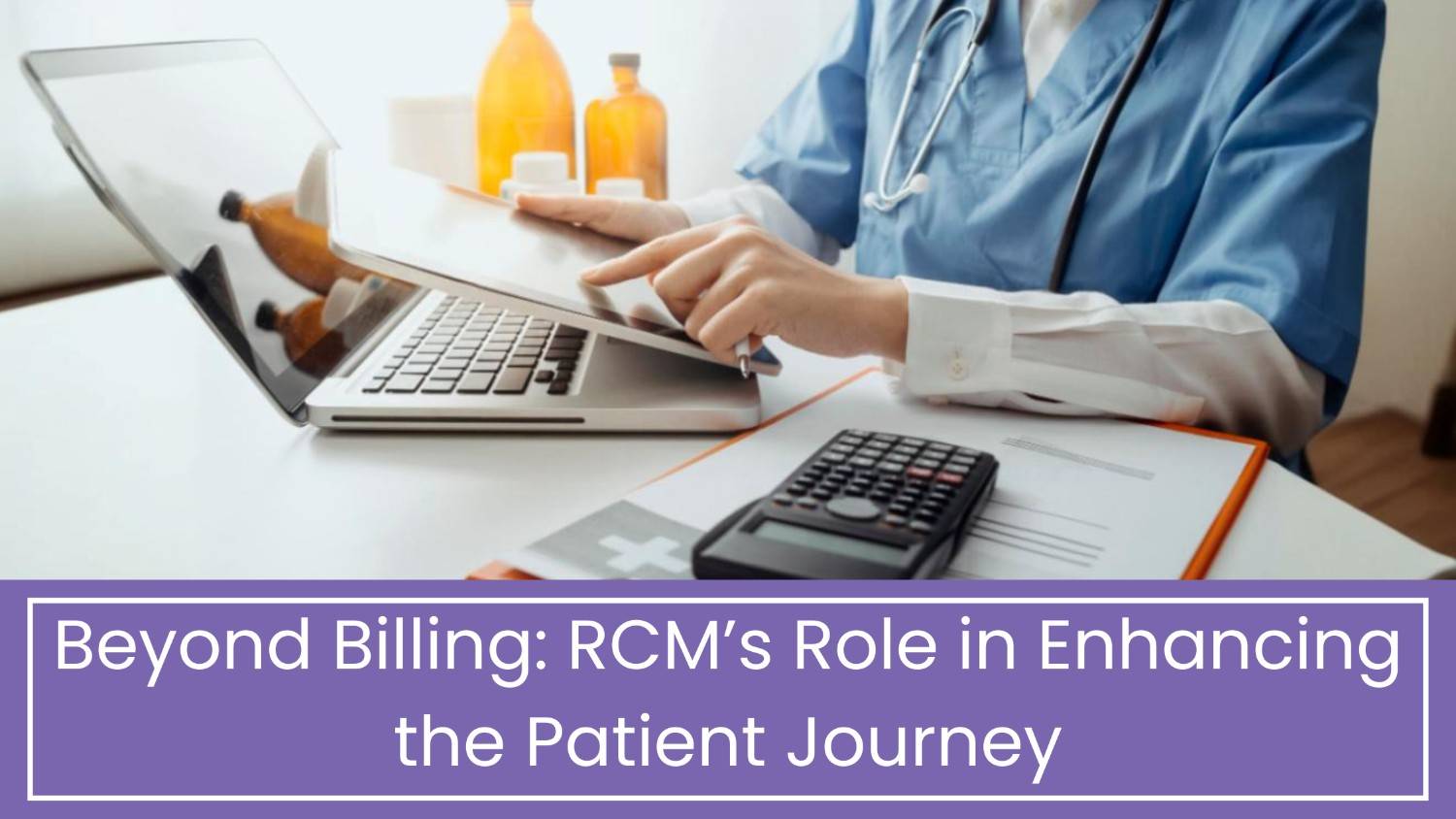
Most people think RCM is just about sending bills. It’s actually much bigger than that. In this blog, we explain how RCM improves the patient journey beyond billing. We’ll cover what RCM really means, how it affects the patient experience, and how technology makes it better. We’ll also share how we, at Practolytics, use RCM to make things easier for patients and providers alike.
Let’s clear something up. A lot of people hear “Revenue Cycle Management” and think it’s just about sending bills. That’s not true. It’s a lot more than that.
RCM touches almost every step of a patient’s visit. It starts before the patient walks in the door, when their insurance gets checked. It continues during the visit, when the visit gets recorded correctly. And it keeps going after the visit too, with billing and payments.
Here’s the important part. Every one of these steps affects how a patient feels about their visit. Long waits, confusing bills, and surprise charges all come from weak RCM. Smooth check-ins, clear costs, and easy payments all come from strong RCM.
In this blog, we’ll cover:
- Why RCM is about more than just billing
- How RCM makes the patient experience better
- How technology helps modern RCM
- Common patient problems that RCM fixes
- How we help providers improve the patient journey with RCM
Let’s dive in.
Table of Contents
Revenue Cycle Management Is More Than Just Medical Billing
RCM covers the whole money side of a patient’s visit. Not just the final bill.
Here’s what it actually includes:
- Checking insurance before the visit
- Getting accurate patient info at check-in
- Recording the visit with the right codes
- Sending claims to insurance companies
- Following up on unpaid or denied claims
- Sending simple, clear bills to patients
- Giving patients easy ways to pay
All of this happens behind the scenes. But patients feel the result, even if they never see the actual work.
Here’s an example. If insurance isn’t checked properly, a patient might get a surprise bill weeks later. If the coding is wrong, the claim might get denied. That means delays and confusion for everyone. If the bill is hard to read, patients get annoyed and call in with questions.
This is why we say RCM isn’t just office work. It’s a big part of how a patient feels about your practice.
How RCM Improves Patient Experience?
Let’s talk about the real ways RCM makes a difference for patients.
- Faster check-ins. When insurance is already checked ahead of time, check-in takes minutes. Not a long wait like the DMV.
- Fewer surprise bills. When insurance gets checked early, patients know what to expect. No unpleasant surprises later.
- Clearer bills. A simple bill builds trust. A confusing one full of codes just leads to more phone calls and stress.
- Faster answers. When staff have the right records, they can answer patient questions right away, not “we’ll call you back.”
- Easier payments. Patients want to pay however works best for them. Online, by text, or in person. Good RCM makes that possible.
- Less stress. When the money side of a visit runs smoothly, patients can focus on their health, not paperwork.
None of this feels like “billing” to a patient. It just feels easy. That’s the whole point of good RCM.
Role of Technology in Modern Healthcare RCM
Technology has changed RCM a lot, and mostly for the better.
- Automated insurance checks. Instead of a staff member calling to check coverage by hand, software can check it in seconds.
- Digital check-ins. Patients can fill out forms online before they even arrive. No clipboard, no waiting room paperwork.
- Smart claim checks. Software can catch mistakes in a claim before it’s sent. That means fewer denials and faster payments.
- Real-time tracking. Staff can see exactly where a claim stands instead of guessing.
- Online and mobile payments. Patients can pay a bill from their phone in a minute. No mailing checks or waiting on hold.
- Automatic reminders. Patients get a gentle text or email about a balance, instead of a stressful collection call.
Technology doesn’t replace people here. It just clears away the slow, boring parts so staff can spend more time actually helping patients.
Common Patient Experience Problems Solved by RCM
Here are some common patient complaints, and how RCM fixes each one.
- Problem: Long wait times at check-in. Fix: Checking insurance ahead of time and using online forms.
- Problem: Surprise bills after the visit. Fix: Checking coverage early and giving clear cost estimates upfront.
- Problem: Confusing bills full of codes. Fix: Simple patient statement services in RCM that explain charges in simple words.
- Problem: Claims getting denied, which delays everything. Fix: Careful coding and checking claims before they’re sent.
- Problem: No easy way to pay. Fix: Online portals, text-to-pay, and flexible payment choices.
- Problem: Feeling ignored when asking billing questions. Fix: Staff with accurate records who can answer fast.
Each of these seems small on its own. But together, they shape how a patient feels about your whole practice, not just the billing part.
How Practolytics Helps Improve the Patient Journey Through RCM?
At Practolytics, we treat RCM as part of patient care. Not just a money task.
We start by checking insurance early. That way, patients know what to expect before they even walk in. No surprises.
We handle coding carefully. This means fewer denied claims and fewer delays for everyone.
We use patient engagement through RCM technology solutions to keep things clear. Patients get simple updates, not confusing terms they can’t understand.
We offer easy ways to pay. Patients can pay however works best for them, quickly and without hassle.
We track claims closely. This means problems get caught early instead of turning into long delays.
We bring real RCM experience to every practice we work with. We don’t use one system for everyone. We adjust to fit what each provider actually needs.
Our goal is simple. We help practices transform your billing process with RX RCM support that makes patients feel taken care of, not just billed.
When RCM works the way it should, patients don’t even think about it. They just remember the visit felt smooth and easy. That’s what we aim for every time.
Conclusion
RCM is about a lot more than sending out bills. It shapes how a patient feels from the moment they book an appointment to the moment they pay their bill. When it’s done right, patients get shorter waits, clearer bills, and fewer surprises. At Practolytics, we help healthcare providers turn RCM into a smoother, easier journey for patients. The result is happier patients, less stress for staff, and a practice that runs better for everyone.
FAQs
1. What is Revenue Cycle Management in healthcare?
Revenue Cycle Management, or RCM, is the process that manages the money side of a patient’s visit. This includes checking insurance, coding, sending claims, billing, and collecting payments.
2. How does RCM improve the patient journey?
RCM makes the patient journey better in a few simple ways:
- Faster check-ins
- Clear costs upfront
- Simple, easy-to-read bills
- Easy ways to pay
- Fewer mistakes and confusing charges
3. Is RCM only related to medical billing?
No. Billing is just one small part. RCM also includes checking insurance, patient registration, coding, claims, and payments. It touches almost every part of a visit.
4. How does RCM improve patient satisfaction?
When RCM runs smoothly, patients feel less stressed. They know what they owe ahead of time, get clear bills, and can pay easily. This builds trust and keeps patients coming back.
5. Can RCM reduce healthcare claim denials?
Yes. Careful coding and checking claims before sending them lowers the chance of denials. Fewer denials means faster payments and less hassle for everyone.
6. Why should healthcare providers invest in RCM services?
Investing in RCM helps in a few key ways:
- Fewer denied claims
- Faster, steadier payments
- Happier patients
- Less work for staff
- A smoother overall experience
7. How does automation improve healthcare RCM?
Automation speeds up things like insurance checks, claim reviews, and payment reminders. This means fewer mistakes, shorter waits, and more time for staff to focus on patients.
8. How can Practolytics help healthcare providers with RCM?
We handle the full RCM process, from checking insurance to collecting the final payment. We focus on being accurate, clear, and easy to work with, so both providers and patients have a smoother experience.

ALSO READ – Essential Tips for Error-Free Orthopedic Billing and Coding: Boost Your Practice’s Financial Health
Talk to Medical Billing Expert Today — Get a Free Demo Now!