
How Credentialing Audit Pitfalls Lead to Payer Termination
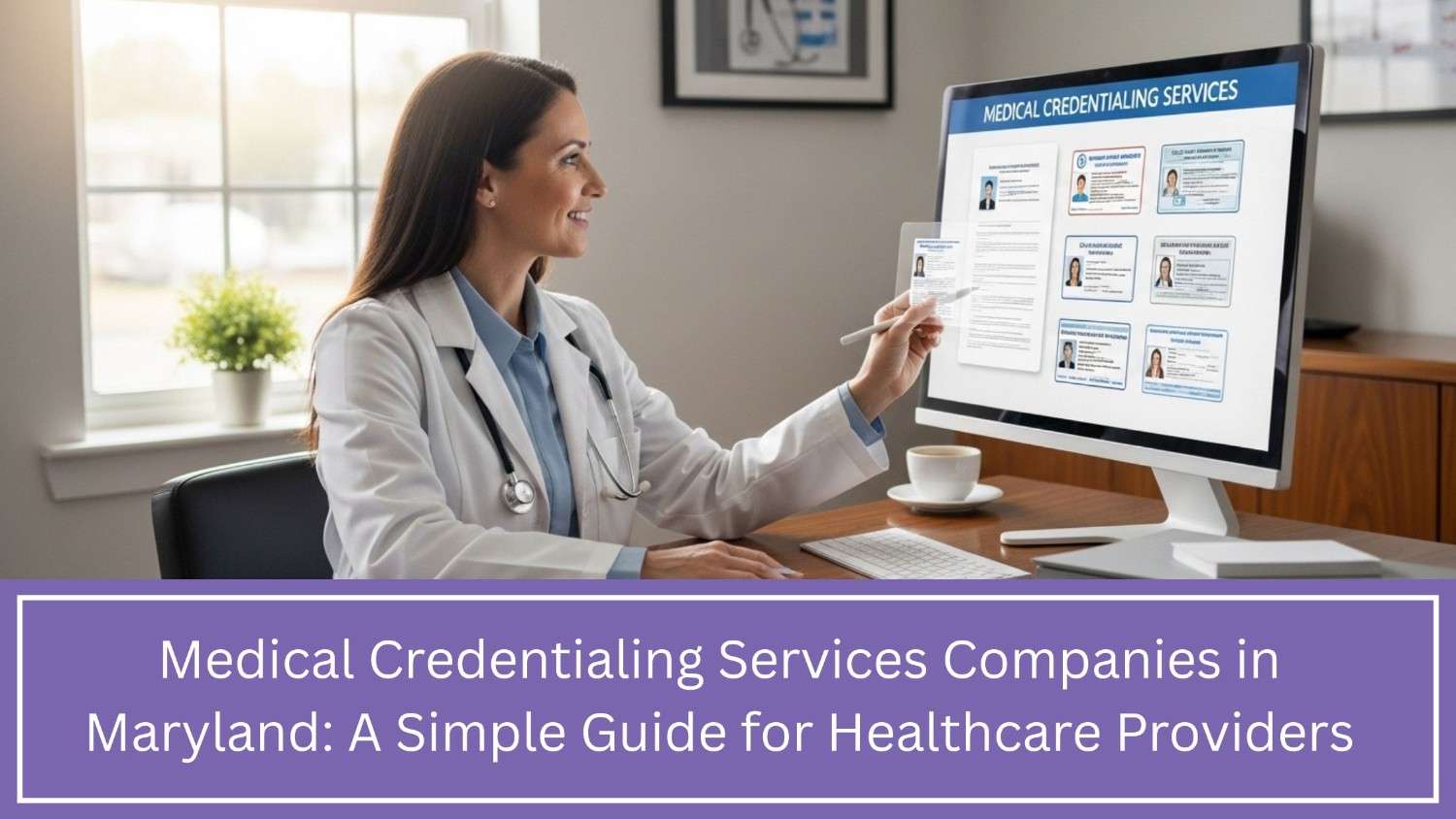
How Credentialing Audit Pitfalls Lead to Payer Termination is a reality many clinics face when even minor credentialing errors slip through. One missed detail can trigger payment holds, failed audits, or complete loss of network status. This article breaks down what auditors look for, why accurate credentialing protects payer access, the most costly provider mistakes, and practical steps to prevent disruptions—so your practice stays compliant, paid on time, and audit-ready without last-minute chaos.
Table of Contents
Payer Audits on Credentialing: Common Pitfalls That Lead to Network Termination
Credentialing is the backbone of your medical practice’s finances—yet few fully grasp it. This process verifies your doctors with insurers so they can see patients and get paid. Mess it up, and insurers may audit you or, worse, drop your providers from their network. That means lost revenue and a hit to your practice’s name. Here, we’ll break down why audits happen, mistakes that get providers cut, red flags to track, and how to avoid trouble. Straightforward advice you can act on now.
What Is a Payer Credentialing Audit?
A credentialing audit is when insurance verification companies check your provider records for accuracy. They need to verify that doctors meet their standards before paying claims. Here’s what they typically review:
- Active licenses and board certifications
- DEA numbers and malpractice coverage
- Training and past employment
- Quality metrics and patient outcomes
- Complete records with proper signatures
These checks protect patients and keep your reimbursements flowing smoothly.
If something is wrong, missing, or doesn’t match up, the payer could remove you from their network. That means you won’t receive payment for your services, and your contract with them may be terminated.
Why Credentialing Matters More in 2025–2026
Credentialing used to wrap up in 30–45 days. Now? Payers drag it out to 90–180 days—sometimes longer. That’s months where providers can’t bill, draining your revenue.
Here’s why:
- Payers tightened their checks
- Audits happen faster now
- They want everything digital
- Onboarding windows shrank
Bottom line: delays cost you.
These trends require accurate records and effective tracking. Small errors that delayed payments before can now lead to audits, fines, or losing your network access.
The Big Money Loss From Credentialing Mistakes
Credentialing errors aren’t just frustrating—they drain profits.
Slow credentialing costs providers $8,000–$30,000 monthly.
Delays of 90–120 days? That’s $122,000+ lost per provider.
Executives rank credentialing as a top pain point—because mistakes tank cash flow.
This isn’t paperwork—it’s revenue bleeding out.
Common Pitfalls That Trigger Payer Credentialing Audits
Here are the top reasons providers get flagged in audits—some even lose network access:
1. Credentials Not Up to Date
Keep licenses, DEA registrations, and malpractice insurance current. If expired, payers freeze payments or drop you.
2. Sloppy Paperwork
Missing pages or mismatched details (CAQH vs. NPPES) trigger audits. Payers see errors as red flags, not typos.
3. Failure to Track Deadlines
Credentials expire. Medicare requires updates every 5 years; most insurers want renewals every 2–3 years. Miss the deadline? Payments stop until it’s fixed.
4. Data Mismatch Across Systems
Typos cost money. If your records don’t match the insurer’s (name, address, NPI), claims get rejected. Simple errors mean avoidable losses.
5. Poor Document Tracking and Communication
When provider paperwork is all over the place—stuck in emails, spreadsheets, or different teams—you risk missing key updates. Paying for services before a payer approves credentials? Auditors will flag that fast.
6. Billing Too Soon
Jumping the gun and medical billing before credentialing is done? That’s a surefire way to get claims denied. Worse, auditors see it as cutting corners.
7. Payer Rules Are All Over the Map
Different insurers, different forms, different timelines. Send the wrong thing or use a one-size-fits-all approach? Delays, mistakes, and audit risks follow.
What Payers Look for During Audits
During a medical credentialing services audit, payers verify key details:
- Licenses: Confirmed directly with official boards.
- Trails: Full audit logs in your systems.
- Signatures: Every signature must match and be dated.
- Retention: Records kept for the required time.
- Security: Strong protections for sensitive data.
They may also check provider performance, patient results, peer feedback, and complaints—so your docs must be thorough and error-free.
Trends and Updates You Should Know
AI and Paperwork Checks
New AI tools scan your files fast—they spot mismatched info, even in social records or past claims. This cuts audit time, but slips in your data can mean quick rejections with no warning.
Tighter Deadlines for Submissions
Insurers want your forms faster and flawless. Messy or half-done applications? They won’t wait—they’ll bounce them back.
Real-Time Dashboards for Smooth Operations
More offices now rely on live dashboards to monitor credentialing progress, alerts, and due dates—keeping audits predictable and under control.
How to Prevent Credentialing Pitfalls
Here are clear actions to improve your process today:
Track credentials in one system
A single hub for licenses, renewals, deadlines, and payer rules cuts mistakes.
Keep all platforms aligned
Ensure CAQH, NPPES, advancedMD EHR, and billing data match perfectly every time.
Automate Reminders
Reminders for credential renewals and recredentialing deadlines prevent lapsed statuses.
Give Ownership
Assign a credentialing specialist or team responsible for documentation accuracy and submission.
Audit Internally Before Submitting
Pretend you’re the payer: check every field, signature, and date before you submit.
Conclusion: Protect Your Network and Revenue with Practolytics
Payer audits on credentialing happen often now. Deadlines are shorter, rules are tougher, and systems catch errors fast. Messing up can knock you out of networks and hurt profits. The upside? Most issues can be avoided with the right setup.
Practolytics fixes this. We handle credentialing start to finish—live tracking, instant alerts, and payer know-how—so your providers stay approved without delays. Our tools keep you covered:
Track every provider’s status live.
- Stop missed deadlines and messy data.
- Slash credentialing time in half.
- Keep revenue safe and payers happy.
One mistake can lose contracts—don’t risk it. Practolytics handles credentialing fast, so you don’t have to. Talk to us for free today and lock in your network spot before the next audit.
ALSO READ – Simplifying Revenue Management: How Medical Billing Services Empower Small Practices
Talk to Medical Billing Expert Today — Get a Free Demo Now!