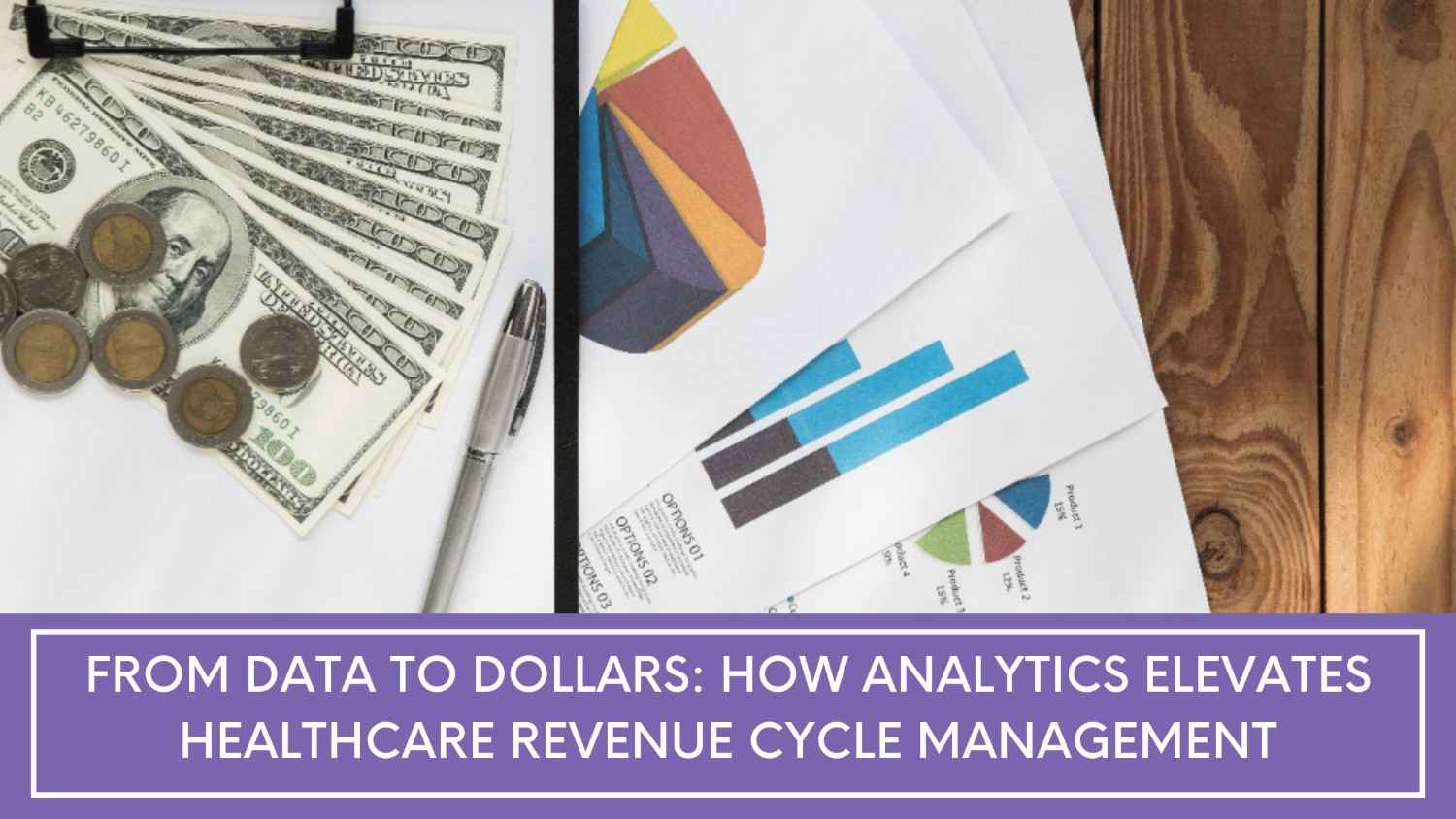
From Data to Dollars: How Analytics Elevates Healthcare Revenue cycle Management
Numbers tell a story. If your practice reads them right, that story can mean faster pay and fewer denied claims. That’s the idea behind from data to dollars how analytics elevates healthcare revenue cycle management. Analytics turns plain billing numbers into steps your team can use. In this guide, we cover why data matters in revenue cycle work. What to watch. And how we, at Practolytics, use data to help practices get paid faster with less stress.
Every claim you send out makes data. Every denial. Every payment. Every delay. Most practices sit on a pile of this data. But they never use it. It just sits there in the system, month after month. Nobody reads the story it tells. The same errors keep happening. Quietly costing money nobody notices, until the numbers come in low at year end.
That’s where analytics helps. It takes all those numbers and turns them into something useful. Something you can act on. Instead of looking back at what already happened, good data helps your team get ahead of problems. Before they cost real money. Let’s walk through this.
Table of Contents
Why Healthcare Revenue Cycle Management Needs Data Analytics?
Running a practice without looking at your numbers is like driving with your eyes closed. You might get somewhere. But you won’t know how. Or why things went wrong along the way.
A lot of practices work exactly like this. Fixing one claim at a time. Never stepping back to see the bigger picture.
Here’s why data matters so much:
- It shows where claims get stuck.
- It shows which payers deny claims the most.
- It shows patterns in billing errors, before they cost more.
- It helps staff catch small problems early.
Revenue cycle analytics gives your team a clear picture. Not just a guess. And guessing costs money in billing. Every single time.
How Analytics Transforms Revenue Cycle Management?
Analytics doesn’t just collect numbers. It changes how your whole revenue cycle runs.
- Claims get checked with real data. Not just a gut feeling.
- Staff can spot denial trends and fix the real cause. Not just one claim at a time.
- Billing teams know where to spend their time each day.
- Practices can plan cash flow instead of just reacting to it.
This shift is the heart of healthcare revenue cycle analytics. Moving from reacting to problems, to seeing them coming first. A practice that only reacts stays one step behind. A practice using data well gets ahead instead.
Key Healthcare RCM Analytics Metrics Every Practice Should Track
Not all numbers matter the same. Some just tell you what already happened. Others help you see trouble coming. Tracking too many numbers can overwhelm a team, just like tracking none at all. So it helps to pick a short list that actually matters. Here are the ones worth watching:
- Days in accounts receivable. Shows how fast you get paid.
- Denial rate. Shows how often claims get rejected.
- Clean claim rate. Shows how many claims go through with no errors.
- Net collection rate. Shows how much billed revenue you actually collect.
- Cost to collect. Shows how much it costs to get each dollar paid.
Watching revenue cycle management analytics like these often helps your team catch problems early. Instead of finding out months later, when the damage is done. A team checking these weekly spots trouble much sooner than one checking once a quarter.
How AI and Automation Improve RCM Analytics?
Analytics gets even stronger with automation added in. Together, they catch things a busy team might miss.
- AI can flag claims likely to get denied, before they’re even sent.
- Automation speeds up eligibility checks. Less manual work.
- Systems can track patterns across thousands of claims at once. No person could do that by hand.
- Alerts can tell staff the moment something looks off. Instead of waiting for a monthly report.
This kind of data analytics in healthcare revenue cycle work turns a slow, manual job into something fast. Something proactive. Problems get caught before they turn into lost money. Staff spend less time digging through spreadsheets, trying to figure out what went wrong.
Real Results: How Data-Driven RCM Improves Practice Performance?
Numbers only matter if they lead to real change. Here’s what practices usually see once they start using data well:
- Faster payment turnaround. Problems get caught and fixed early.
- Fewer denied claims. Patterns get spotted and fixed.
- Better staff efficiency. Teams know exactly where to focus.
- More steady revenue. Cash flow becomes easier to plan for.
This is what healthcare revenue cycle analysis should really give you. Not just charts sitting unused. Real, visible change in how a practice gets paid. Practices that stick with this usually notice the shift within a couple of billing cycles. The change often shows up first in how much less time staff spend chasing old claims.
Why Healthcare Providers Should Partner With Analytics-Driven RCM Experts?
Building strong analytics in-house takes time, tools, and skill. Most practices just don’t have room for all that. That’s why a lot of providers choose to partner with a team that already has it figured out.
A strong analytics partner should:
- Track your revenue cycle numbers closely. Not just once a quarter.
- Turn data into simple steps your team can use fast.
- Understand your specific specialty and payer mix.
- Explain findings in plain words. Not confusing tech terms.
Working with the right partner means your practice gets the benefits of data. Without needing to build a whole data team yourself. It also means someone watches these numbers, even on the days your staff is too busy to look.
Why Choose Practolytics for Healthcare Revenue Cycle Analytics?
This is where we help. At Practolytics, healthcare revenue cycle management analytics gets built right into how we support your practice. Every single day.
Here’s what we bring:
- We track key numbers closely, so nothing slips through unnoticed.
- We use revenue cycle analytics for medical practice needs built for your specialty. Not some generic report.
- We catch denial patterns early and fix the real cause.
- We keep accounts receivable under 30 days, using data to stay ahead of delays.
- We explain our findings in plain words, so your team always gets it.
Our take on healthcare revenue analytics isn’t about drowning you in spreadsheets. It’s about turning your data into faster pay and fewer headaches. Good analytics should feel simple. Not like another job piled on top of everything your staff already handles.
Conclusion
Analytics turns your billing data into something your practice can actually use. Faster pay, fewer denials, and a clearer picture of where your revenue stands. Practices that make this shift usually stop guessing and start planning. That changes how the whole billing process feels, day to day. It also takes a lot of stress off staff who used to chase the same problems every month. At Practolytics, we build this kind of insight right into our support, so practices get real results. Not just reports. If you’re ready to see what your data can really tell you, let’s talk about how we can help.
FAQs
What is healthcare revenue cycle management analytics?
It’s the use of billing and claims data to see how well a practice’s revenue cycle is doing. This includes:
- Tracking denial rates.
- Watching payment timelines.
- Checking collection rates.
The goal is simple. Turn raw numbers into clear steps that help a practice get paid faster, with fewer errors.
How does analytics improve healthcare revenue cycle management?
Analytics shows exactly where problems happen. Instead of leaving staff to guess. It shows denial patterns, slow-paying claims, and billing errors early. This means teams fix the real cause instead of chasing one claim at a time. That leads to faster pay and a smoother billing process overall.
What RCM metrics should healthcare providers track?
A few key ones matter most:
- Days in accounts receivable.
- Denial rate.
- Clean claim rate.
- Net collection rate.
- Cost to collect.
Watching these often helps catch small problems before they turn into bigger revenue issues later.
Can analytics reduce healthcare claim denials?
Yes, for sure. Analytics can flag patterns behind repeat denials. Things like one payer, or a common coding mistake. Once that pattern gets caught, practices can fix the real issue. Instead of dealing with the same denial over and over. This usually leads to a much lower denial rate over time.
What is predictive analytics in healthcare RCM?
Predictive analytics looks at past data to guess what happens next. In RCM, this might mean:
- Flagging a claim likely to get denied, before it’s even sent.
- Guessing cash flow based on current trends.
- Spotting a payer pattern before it becomes a bigger issue.
It helps practices act ahead of problems. Instead of just reacting to them.
How does AI help healthcare revenue cycle management?
AI can check huge amounts of claims data fast. Spotting patterns a person might miss, even after hours of checking by hand. It can flag risky claims before they go out, speed up eligibility checks, and alert staff to issues right away. This makes the whole revenue cycle faster and more accurate, with a lot less manual work needed.
Should healthcare practices outsource RCM analytics?
For many practices, yes. Building strong analytics in-house takes time, tools, and skill many practices just don’t have room for. Working with a team that already has this set up means you get the benefits of data. Faster pay. Fewer denials. Without building it all yourself from scratch.
ALSO READ – Driving Revenue Growth: Strategic Billing Solutions for Behavioral Health Practices
10 Essential Steps to Streamline Revenue Cycle Management in Healthcare Practices
Talk to Medical Billing Expert Today — Get a Free Demo Now!