
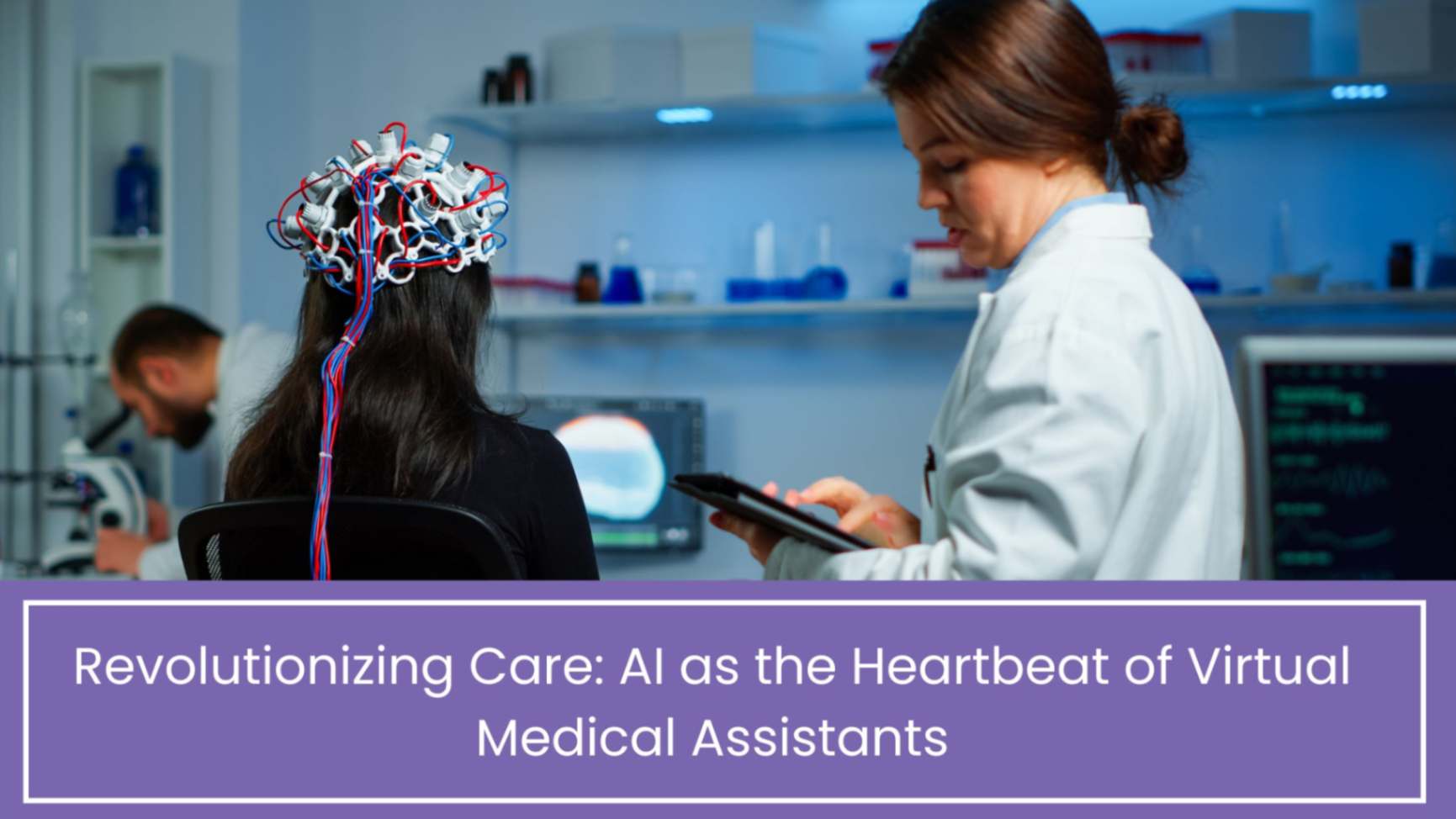
Role of AI in Shaping Virtual Medical Assistant Capabilities
AI shows up everywhere in healthcare now. A big part of that is the role of AI in shaping virtual medical assistant capabilities. What used to be simple task support is turning into something much smarter. Faster answers. Fewer mistakes. Less manual work for your staff. In this guide, we cover what AI adds to virtual medical assistants. How it helps your team each day. And how we, at Practolytics, bring this kind of smart support to healthcare practices.
AI is changing a lot of fields. Healthcare is no different. One clear example is virtual medical assistants. They used to just handle basic tasks. Now, with AI built in, they do a lot more. Staff who once spent hours on repeat tasks are finding they have more room to breathe.
Practices that were unsure about virtual support a few years back are now taking a closer look. Mostly because AI made these tools faster and more reliable than before. This guide breaks it all down.
Table of Contents
What Is an AI-Powered Virtual Medical Assistant?
An ai medical assistant is a virtual helper with smart tech built in. It still does the basics. Scheduling. Messages. Paperwork. But it does a lot more than a regular assistant could alone.
Here’s what makes it different:
- It learns patterns over time, like common patient questions.
- It spots issues faster, like missing forms or double-booked slots.
- It handles repeat tasks on its own, without needing constant instructions.
- It works around the clock. Not just during office hours.
An ai healthcare virtual assistant isn’t here to replace the human touch. It just makes the whole process faster and more accurate. Think of it as a helper who never forgets a small detail. And never gets tired at the end of a long day.
How Artificial Intelligence Is Enhancing Virtual Medical Assistant Capabilities?
AI adds a layer of smart support on top of regular assistant work. Here’s how that shows up in real practice:
- Faster appointment scheduling, since AI spots open slots right away.
- Smarter patient replies, since AI can answer common questions fast.
- Better accuracy in data entry, since AI double checks details before sending.
- Quicker insurance checks, since AI can pull details in seconds.
- Fewer missed follow ups, since AI flags pending tasks on its own.
This is really the center of ai virtual assistant technology in healthcare. Not replacing people. Just helping them move faster. And make fewer mistakes along the way.
Benefits of AI-Powered Virtual Medical Assistants for Healthcare Practices
There are real, simple benefits here. Not just tech buzzwords with no substance behind them.
- Staff save time on repeat, low-value tasks.
- Patients get faster replies to calls and messages.
- Fewer errors show up in scheduling and paperwork.
- Practices handle more patients without adding more staff.
- Support scales up easily during busy seasons.
- Less stress on your front desk team overall.
An ai virtual assistant for healthcare setup like this helps a practice run smoother. Without adding a lot of extra cost or extra hiring. For a lot of practices, this means finally catching up on tasks that used to sit in a backlog for days.
How AI and Human Virtual Medical Assistants Work Together?
AI doesn’t replace your virtual assistant team. It works right alongside them.
- AI handles repeat, simple tasks. Human assistants handle anything more complex.
- AI flags issues early. Humans step in to solve them the right way.
- AI speeds up data entry. Humans review it for accuracy and context.
- AI works nonstop. Humans bring judgment AI still can’t fully match.
This mix is what makes a medical virtual assistant with ai so useful. You get speed from the tech side. And real human judgment where it actually matters most. Neither one replaces the other. They work best as a real team.
Future of AI in Virtual Medical Assistant Technology
AI in healthcare keeps moving fast. Here’s where things seem to be heading:
- More practices exploring managing health with smart assistants for both admin work and basic clinical support.
- Growing interest in whether can virtual healthcare assistants provide clinical decision support, helping providers make faster, better informed choices.
- Smarter scheduling tools that predict patient no-shows before they even happen.
- Better voice tools that let staff and patients talk to systems more naturally.
- Stronger security tools built just for healthcare data.
Medical assistant ai tools are only going to get smarter. Practices that start using them now usually adjust faster as the tech keeps improving. Waiting too long to try these tools can mean playing catch up later, once the gap between manual and AI-supported practices grows even wider.
Are AI Virtual Medical Assistants Safe and HIPAA Compliant?
Fair question. Safety and privacy always come first in healthcare. No matter what tech is involved.
A safe setup should always:
- Follow HIPAA rules strictly. No exceptions, ever.
- Use secure, encrypted systems for patient data.
- Limit AI access to only what it actually needs.
- Include human oversight, so AI never works completely unchecked.
An ai virtual health assistant built the right way is just as safe as any other part of your practice’s systems. The key is picking a partner who takes privacy seriously from day one. Not as an afterthought once something goes wrong. A rushed setup without these checks in place is where real problems usually start.
Why Choose Practolytics for AI-Enhanced Virtual Medical Assistance?
This is where we help. At Practolytics, we combine smart AI tools with real human support. Not one or the other.
Here’s what we bring to your practice:
- AI-enhanced support trained across 28 plus specialties.
- Strict HIPAA-compliant handling of every piece of patient data.
- A blend of AI speed and human judgment, working together as one team.
- Fast onboarding, so your practice isn’t waiting weeks for results.
- Support that scales with your practice, up or down, as needed.
Whether you’re new to ai virtual assistant in healthcare tools, or looking to upgrade your current setup, we build support around what your practice actually needs. Not some generic package built for everyone.
Conclusion
AI is changing what virtual medical assistants can do, and healthcare practices are noticing the difference fast. Faster responses, fewer errors, and more time back for your staff, all while keeping patient care front and center. Practices that adopt this early usually find it easier to keep up as patient volume grows. At Practolytics, we bring together smart AI tools and real human support to help your practice run smoother. If you’re ready to see this in action, we’d love to talk about how we can help.
FAQs
What is an AI virtual medical assistant?
It’s a virtual helper that uses smart tech to handle admin and support tasks for a healthcare practice. This includes scheduling, patient messages, and basic data entry. But with AI built in to work faster and catch errors early. It still works alongside your team. Not instead of them.
How does AI improve virtual medical assistant capabilities?
AI adds speed and accuracy to tasks that used to take longer. A few examples:
- Scheduling gets faster, since AI can find open slots instantly.
- Patient replies come quicker, since AI can answer common questions right away.
- Data entry gets more accurate, since AI checks details before sending.
- Follow ups get tracked automatically, so nothing slips through the cracks.
Can AI virtual medical assistants replace human assistants?
Not really. AI handles repeat, simple tasks well. But human judgment still matters a lot in healthcare. Most practices use AI to support their human assistants, not replace them. This combination usually works better than either one working alone.
What tasks can AI virtual medical assistants perform?
They can handle things like:
- Scheduling and confirming appointments.
- Answering routine patient questions.
- Checking insurance eligibility fast.
- Flagging missing forms or paperwork.
- Supporting basic billing tasks.
More complex tasks still usually go to a human assistant on the team.
Are AI virtual medical assistants HIPAA compliant?
They should always be. A safe setup follows strict HIPAA rules, uses secure systems for patient data, and limits what the AI can access. It’s worth checking this with any provider before bringing AI tools into your practice’s daily work.
How can AI help doctors reduce administrative workload?
AI takes over a lot of the repeat tasks that eat up time. A few examples:
- Scheduling and appointment confirmations move faster.
- Patient message replies get handled quicker.
- Data entry and eligibility checks happen automatically.
- Pending follow ups get flagged without staff needing to track them by hand.
This means doctors and staff spend less time on paperwork and more time with patients.
What is the future of AI in healthcare assistance?
It’s growing fast. More practices are looking into AI for both admin work and light clinical support, like flagging patterns or helping with basic decision support. Voice tools, smarter scheduling, and stronger security are all expected to keep improving as the tech matures over the next few years.
Do AI virtual assistants improve patient experience?
Yes, usually. Patients get faster replies, quicker scheduling, and fewer delays overall. When admin work moves smoothly in the background, patients notice the difference right away. Even if they never directly talk to the AI part of the process.
Why are healthcare practices adopting AI virtual assistants?
Because it saves time and cuts down on errors. Here’s a quick look at why:
- Staff get more time back for patient care.
- Fewer mistakes show up in scheduling and paperwork.
- Practices handle more patients without hiring more staff.
- Support scales easily during busier seasons.
- Front desk teams feel less stretched thin overall.
These practical benefits are why adoption keeps growing every year.
Read More – From Chaos to Efficiency: A Small Practice’s Journey with a Virtual Assistant
Talk to Medical Billing Expert Today — Get a Free Demo Now!