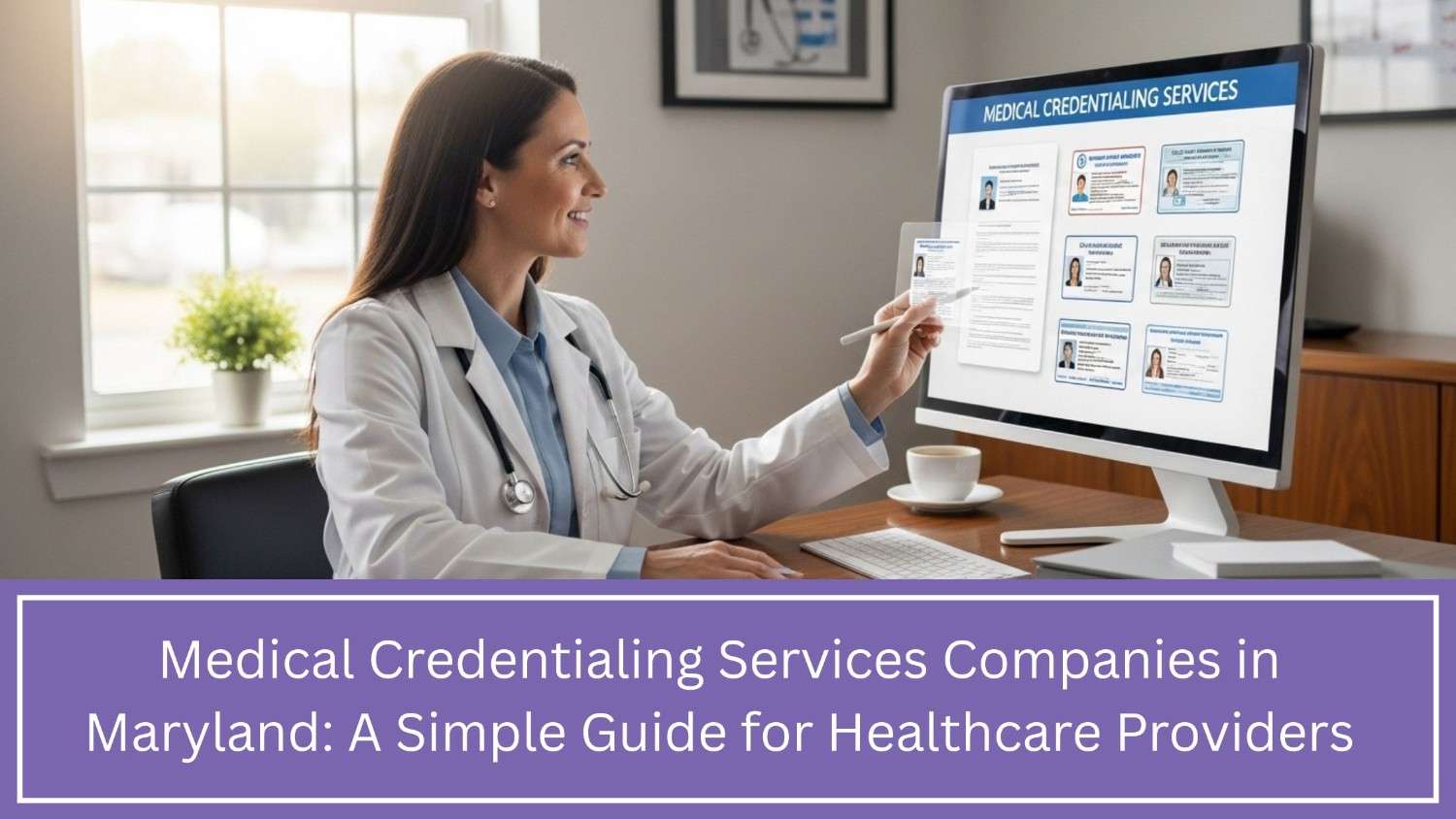
Medical Credentialing Services for Small Practices
Running a small practice means wearing a lot of hats. You don’t have time to chase paperwork all day. That’s where medical credentialing services for small practices owners come in handy. The right support gets your providers approved faster. With less back and forth. In this guide, we cover why small practices need credentialing help. How it supports growth. And how we, at Practolytics, make the process simple from start to finish.
Running a small practice is hard work. You see patients. You manage staff. You try to keep the lights on. All at once. Credentialing is one more thing on that long list. And it’s not a small thing either.
It touches every provider you bring on. It never really goes away. Renewals and updates keep coming back around.
Get it wrong, and a provider can’t bill insurance. That means no income from that provider’s work. Even if they’re seeing patients every day. We’ve talked to a lot of small practice owners who didn’t realize how much this was costing them, until they sat down and looked at the numbers. This guide breaks down what small practices need to know about credentialing.
Table of Contents
Why Small Medical Practices Need Professional Credentialing Support?
Small practices don’t always have room for a full billing or credentialing team. That’s usually where trouble starts.
- One person often handles credentialing on top of ten other jobs.
- Small mistakes on an application cause long delays.
- Each payer has its own rules, which get confusing fast.
- Medical practice credentialing takes real time. Time small teams rarely have to spare.
- Missed deadlines can push a provider’s start date back by weeks.
This is why so many small practices look for outside help. Not because they can’t handle it. But because their time is better spent somewhere else.
Credentialing also isn’t a one-time task. Licenses need renewal. Payer contracts need updates. Without someone watching this closely, things slip through the cracks. A missed renewal can mean a provider suddenly can’t bill for weeks. Until the paperwork catches up again. And by the time anyone notices, the practice has already lost real revenue that’s hard to get back.
Even mid-sized medical practices credentialing services face similar struggles. Just at a bigger scale. More providers means more applications. More renewals. More chances for something to get missed. Having a clear system in place matters at any practice size. But it matters most when your team is already stretched thin.
How Medical Credentialing Services Help Small Practices Grow?
Good credentialing support doesn’t just fix paperwork problems. It actually helps your practice grow.
- Faster approvals mean new providers start billing sooner.
- Fewer errors mean fewer denied claims down the road.
- Your staff gets more time back for patient care instead of forms.
- A practice credentialing company with real experience knows how to avoid common delays.
- Clean credentialing sets up a smoother billing process right from the start.
The benefits of credentialing services for clinics go past just saving time. They protect revenue too. Every week a provider waits on approval is a week of lost billing. That adds up fast for a small practice working with a tight budget. Some practices lose thousands of dollars before they even realize the delay was avoidable.
A lot of small practices also want simplified credentialing. This means less back and forth. Clearer updates. Fewer surprises along the way. That’s usually the biggest difference between a good credentialing partner and a frustrating one. You want someone who tells you exactly where things stand. Not someone who leaves you guessing for weeks.
If you’ve looked into the easiest healthcare credentialing software for small medical practices, you’ve probably noticed the good ones focus on clear tracking and simple updates. That’s exactly what small practices need most. Not more complicated systems to learn. A tool only helps if your team can actually use it without extra training.
Medical Credentialing Checklist for Small Practices
Here’s a simple checklist to help keep things on track:
- Gather provider licenses and certifications early.
- Confirm education and work history records are complete.
- Check that malpractice insurance is current and correct.
- Set up or update your CAQH profile.
- Submit applications to each payer with matching, correct details.
- Track every application. Don’t wait for updates to come to you.
- Follow up fast on any missing documents.
- Mark renewal dates so nothing expires without notice.
Practices searching for credentialing solutions for private practice setups usually want something close to this. A clear, simple process that doesn’t need a big team to manage. This checklist works whether you’re credentialing your first provider or your tenth.
Some practices also ask about the best credentialing and privileging systems for small medical practices. Privileging works alongside credentialing. It confirms a provider is approved to do specific procedures at a facility. Keeping both processes organized together saves a lot of confusion later.
Missing even one item on this list can push an approval back by weeks. That’s why so many small practices prefer working with a partner who already knows the checklist well. Instead of learning it the hard way, through a rejected application.
Why Choose Practolytics for Medical Credentialing?
This is where we come in. At Practolytics, we built our medical credentialing process with small practices in mind. Not just large hospital systems.
Here’s what we bring:
- We track every application closely, so nothing sits stuck.
- We follow up with payers often, cutting down on delays.
- We handle CAQH setup and updates, so nothing falls out of date.
- We work across 28 plus specialties, so we understand your needs.
- We give clear, simple updates, so you always know where things stand.
Whether you’re a single-provider clinic or a growing multi-provider practice, we shape our support around what you actually need. Not some generic package built for a much bigger organization. Small practices deserve the same care as larger ones. That’s how we treat every practice we work with.
Conclusion
Credentialing doesn’t have to slow your small practice down. With the right support, providers get approved faster. Paperwork gets simpler. Your team gets more time back for patients. Practices that get this right early usually save themselves a lot of stress as they grow. At Practolytics, we help small practices handle credentialing without the usual stress. We’ve seen how much smoother things run once the guesswork is gone. If you’re ready for a simpler credentialing process, we’d love to talk about how we can help your practice grow.
FAQs
What are medical credentialing services for small practices?
These are services that handle the credentialing process for a practice. This includes:
- Verifying provider licenses and training.
- Submitting applications to payers.
- Managing insurance enrollment.
- Tracking approvals and following up on delays.
Instead of a small team juggling this alone, a dedicated partner tracks everything. Providers get approved faster and start billing sooner.
How long does medical credentialing take for a small practice?
It depends on the state, the payer, and how complete the paperwork is upfront. It usually takes a few weeks to a few months. Clean applications with no missing documents move much faster than ones needing follow up. Staying organized from the start helps a lot here.
Why should small practices outsource credentialing?
Small teams often don’t have time to manage credentialing properly on top of everything else. Outsourcing means a dedicated team tracks applications, follows up with payers, and catches errors before they cause delays. This usually means:
- Faster approvals for new providers.
- Fewer mistakes on applications.
- Less time spent on paperwork by your front desk staff.
- More time for your team to focus on patients.
What documents are required for medical credentialing?
Common documents include:
- Provider license and certifications.
- Education records and work history.
- Malpractice insurance details.
- Board certifications.
Payers may ask for a few extra items depending on their rules. Keeping these documents organized and updated ahead of time makes the whole process move much faster.
Does Practolytics help with CAQH and insurance enrollment?
Yes, we handle CAQH setup and updates as part of our credentialing process. We also manage insurance enrollment with each payer your practice works with. We track applications closely and follow up on any missing details, so nothing sits stuck waiting on paperwork. Our goal is to keep every step moving, so your providers can start seeing and billing patients as soon as possible.
ALSO READ – Charting the Future: Navigating 2024’s Healthcare Credentialing with Practolytics
Talk to Medical Billing Expert Today — Get a Free Demo Now!