
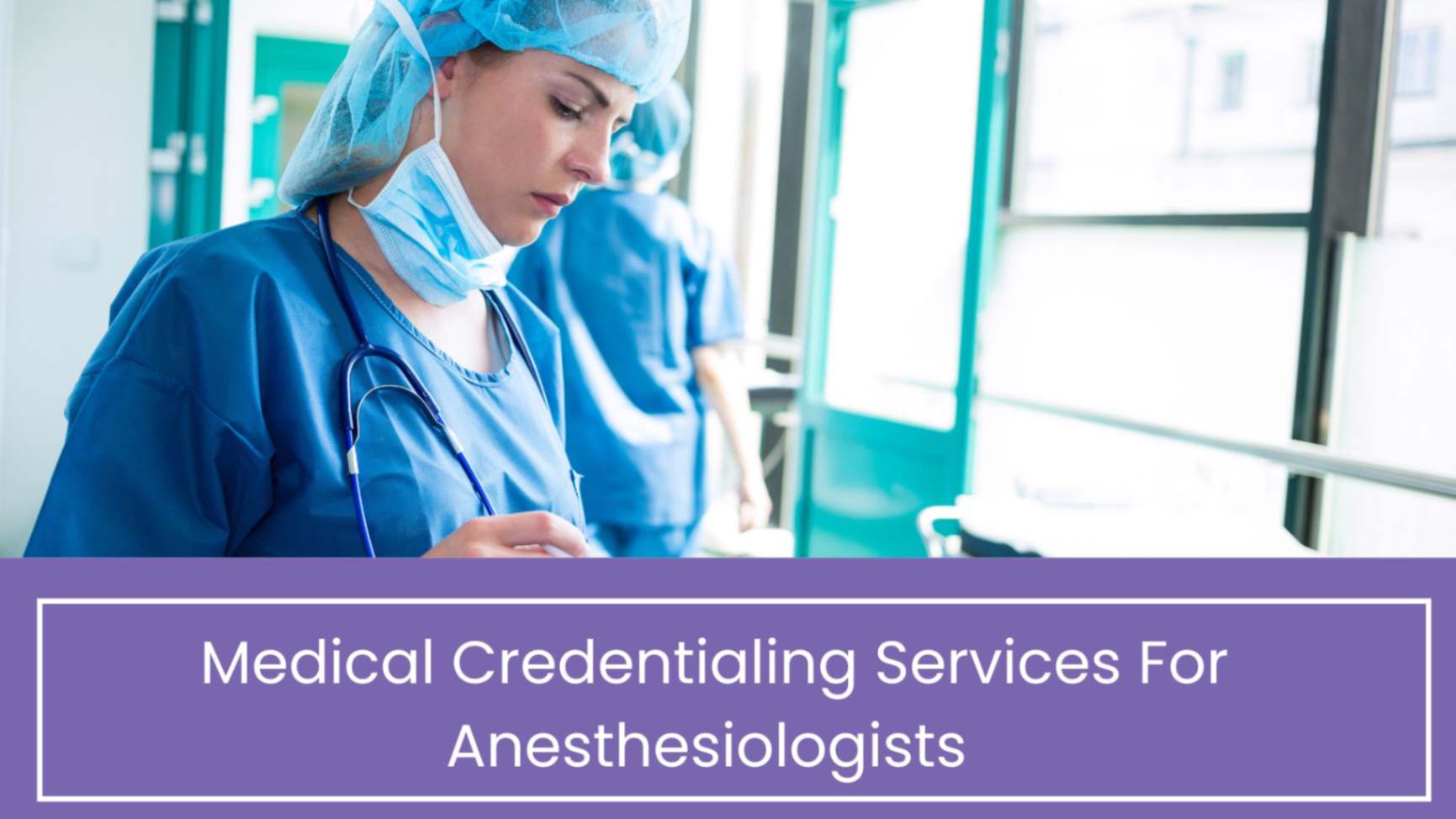
Medical Credentialing Services for Anesthesiologists
Anesthesiologists deal with a heavier credentialing load than most specialties, thanks to the hospital side of the work. It covers medical credentialing services for anesthesiologists. We go through why this specialty needs specialized support, how our process actually works, and the common challenges anesthesiology practices run into. We also cover what we, at Practolytics, offer your practice specifically.
Table of Contents
Simplify Anesthesia Credentialing and Start Getting Paid Faster
Say your practice brings on a new anesthesiologist. Board certified, clean license, ready to work. But before they can actually administer anesthesia and bill for it, two separate things have to happen. Hospital privileging, and payer credentialing. Miss either one, and your new hire is sitting on the sidelines while your practice loses revenue every day they’re not working. Multiply that across a group with providers rotating between a few different facilities, and the tracking gets complicated fast.
This double layer is what makes anesthesia credentialing genuinely harder than credentialing for a lot of other specialties. Let’s walk through why, and what actually speeds it up!
Why Anesthesiologists Need Specialized Credentialing Support?
Anesthesiologists work almost entirely inside hospitals and surgical centers, and that setting adds requirements a typical office-based specialty never deals with.
- Hospital privileging has to happen separately from insurance credentialing, and both need to be done right for your provider to actually bill.
- Board certification through the American Board of Anesthesiology, along with ACLS and BLS certifications, all need to be verified and kept current.
- Anesthesiologists often work across multiple facilities, sometimes through group practices or locum arrangements, which means credentialing has to happen at every single location.
- Anesthesia provider credentialing also has to account for supervision arrangements with CRNAs, depending on your practice’s specific staffing model.
- DEA registration and state licensing both need to stay active, since anesthesia work depends heavily on controlled substance authority.
None of this is impossible to manage. It just requires more moving pieces tracked at once than a standard outpatient credentialing process.
Our Medical Credentialing Process for Anesthesiologists
Here’s roughly how we approach this for your practice, step by step.
- We verify licenses, board certification, DEA registration, and work history through primary source verification.
- We manage hospital privileging applications alongside payer credentialing, so neither one falls behind the other.
- We set up and maintain your provider’s CAQH profile, since most payers pull directly from it.
- We track credentialing status across every facility your anesthesiologist works at, not just one location.
- We manage ongoing renewals, so certifications and licenses never quietly lapse mid-cycle.
Anesthesia credentialing services built this way mean your provider’s paperwork keeps pace with wherever they’re actually working, instead of trailing behind it.
Credentialing Challenges Faced by Anesthesiology Practices
A handful of recurring problems show up again and again for practices in this specialty.
- Hospital privileging and payer credentialing running on different timelines, so one clears while the other still drags on.
- Multi-facility work meaning a provider is credentialed at one hospital but still waiting at another.
- CAQH profiles that go outdated, stalling applications your team assumed were already moving forward.
- Locum tenens or group practice arrangements adding extra layers, since credentialing sometimes needs to happen under more than one entity.
- Missed renewal deadlines for board certification or state licensure, which can quietly interrupt a provider’s ability to work.
Anesthesiology practices juggling multiple facilities feel these problems more than most, simply because there’s more to track across more locations at once.
Why Choose Practolytics for Anesthesiologist Credentialing?
This is where we come in. We built our process around what anesthesiology practices actually deal with, not a generic approach borrowed from office-based specialties.
- We manage hospital privileging and payer credentialing together, so your provider isn’t stuck waiting on one while the other clears.
- We track credentialing status across every facility your anesthesiologist works at.
- We keep CAQH profiles current, so applications don’t stall on outdated information.
- We monitor DEA, board certification, and licensure renewal deadlines proactively.
- We understand supervision and staffing arrangements specific to anesthesia practices, including CRNA relationships.
Benefits of Outsourcing Medical Credentialing for Anesthesiologists
Handing this off to a dedicated team changes the day-to-day reality for your practice.
- Fewer delays getting new anesthesiologists approved to work and bill.
- Less staff time spent juggling two separate credentialing tracks at once.
- Fewer missed renewals, since deadlines get tracked proactively instead of reactively.
- Better support for multi-facility providers, since every location gets tracked in one place.
- More predictable revenue, since your providers start billing sooner after joining your practice.
Medical credentialing services built specifically around anesthesia matter here, since a generalist approach often misses the specific timing issues this specialty deals with constantly.
Conclusion
Anesthesia credentialing carries real complexity, between hospital privileging, payer enrollment, and the multi-facility nature of this specialty’s work. Getting both sides moving together, instead of one trailing behind the other, is what actually protects your practice’s revenue. Practices that stay on top of this consistently tend to onboard new providers with far less lost time between hire date and first billable case. At Practolytics, we help anesthesiology practices manage this consistently. If credentialing has been slowing down your providers, we’d love to help fix that.
FAQs
What are medical credentialing services for anesthesiologists?
Services that verify an anesthesiologist’s qualifications and get them approved to work and bill. This includes both hospital privileging and separate insurance payer credentialing. It covers board certification, DEA registration, and state license verification. It also includes ongoing CAQH maintenance and renewal tracking over time.
How long does anesthesiologist credentialing take?
- Timelines vary depending on how many facilities and payers are involved.
- Hospital privileging and payer credentialing often run on different timelines, which can extend the overall wait.
- Incomplete documentation or an outdated CAQH profile is a common cause of delay.
- Multi-facility providers usually see longer timelines, since each location requires its own separate process.
Why do anesthesiologists need credentialing services?
Anesthesiologists can’t bill for their work until both hospital privileging and payer credentialing are complete. The multi-facility nature of this specialty adds real complexity most other specialties don’t deal with. Missed renewal deadlines can interrupt a provider’s ability to work without warning. Dedicated credentialing support helps keep both tracks moving together instead of one falling behind.
Does Practolytics handle hospital credentialing for anesthesiologists?
Yes, we manage hospital privileging alongside payer credentialing for your providers.
- We track privileging status across every facility your anesthesiologist works at.
- We coordinate timing, so one process doesn’t quietly stall while the other moves forward.
- We support providers working across multiple hospitals or surgical centers at once.
What documents are required for anesthesia credentialing?
- State medical license and DEA registration.
- Board certification through the American Board of Anesthesiology.
- ACLS and BLS certification records.
- Work history, references, and malpractice insurance documentation.
- Hospital-specific privileging application materials, where required.
Can credentialing delays affect anesthesia practice revenue?
Yes, directly. A provider who isn’t fully credentialed can’t bill for the work they’re doing.
- Delays at even one facility can hold up revenue from that specific location.
- Missed renewal deadlines can interrupt billing for providers already on staff.
- Faster, well-tracked credentialing means your providers contribute to revenue sooner.
Does Practolytics provide CAQH management?
Yes, we set up and maintain CAQH profiles for your providers.
- We keep profiles current, since most payers pull credentialing data directly from CAQH.
- We catch outdated or mismatched information before it stalls an application.
- We handle the recurring attestation process, so it never gets missed.
Talk to Medical Billing Expert Today — Get a Free Demo Now!