
How Virtual Assistants Support Telemedicine and Remote Patient Monitoring
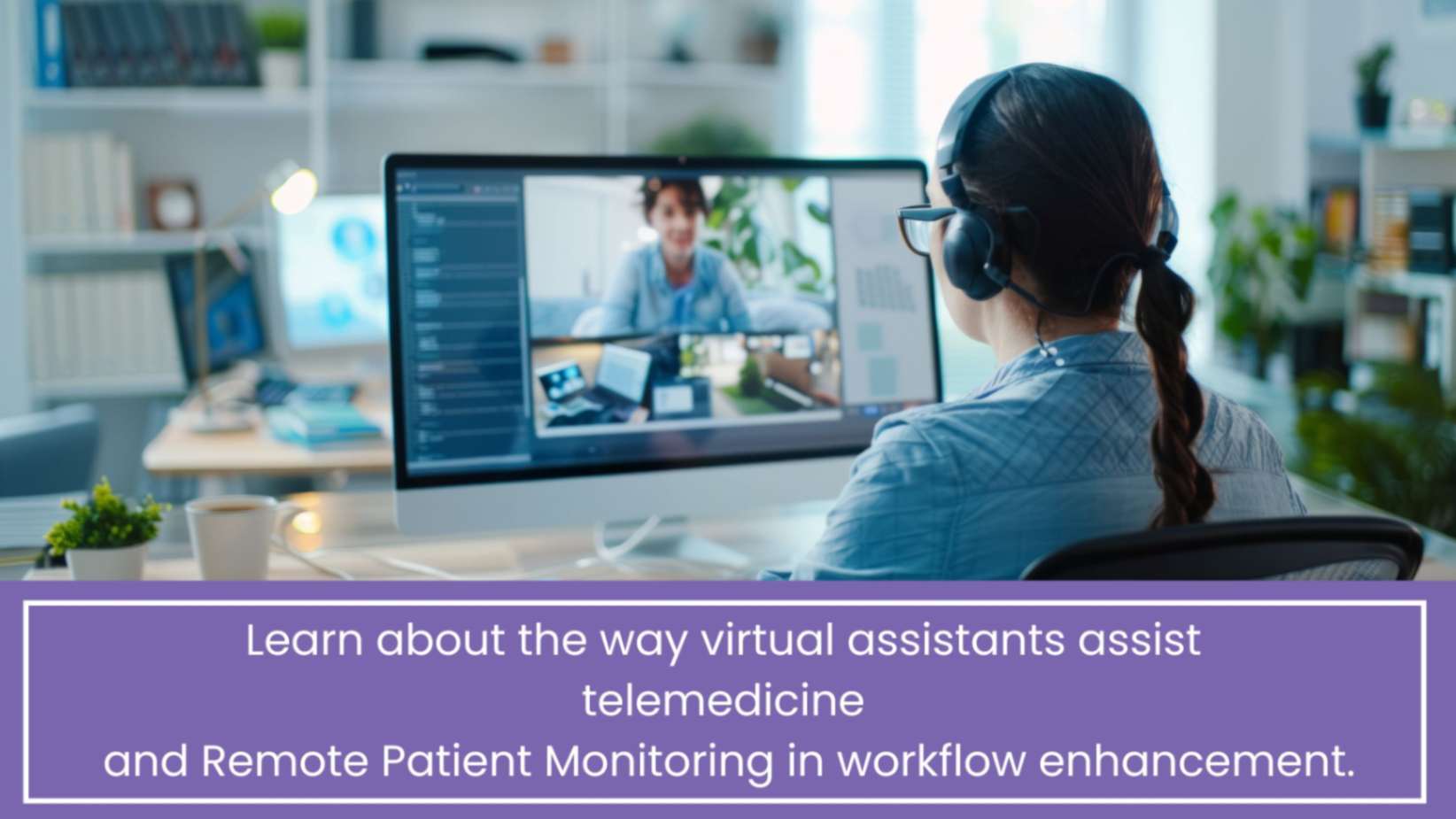
Telemedicine keeps growing. Remote patient monitoring keeps growing too. But behind every virtual visit, there’s a lot of work going on. That’s how virtual assistants support telemedicine and remote patient monitoring so well. They take on the daily tasks that slow your team down. In this guide, we cover what virtual assistants actually do. Why more practices use them. And how we, at Practolytics, help practices run smoother with the right virtual support in place.
Telemedicine changed how people see a doctor. No waiting room. Just log in and talk. Remote patient monitoring changed how doctors keep track of patients between visits too. Both are growing fast. And both bring a lot of new work along with them.
More video visits to schedule. More patients logging readings from home. More data coming in every single day. It’s a lot for any team to manage alone.
That’s where virtual assistants come in. They handle a lot of the daily tasks tied to telemedicine and remote monitoring. So your staff gets to focus on patients, not admin work. Let’s break this down.
Think about a normal day at a busy telemedicine clinic. Calls coming in. Patients logging readings. Appointments needing confirmation. All of it landing on the same small team. That’s exactly the kind of load a virtual assistant helps carry.
Table of Contents
Why Telemedicine Providers Need Virtual Assistant Support?
Running a telemedicine practice comes with its own headaches. Here’s what we see a lot:
- Staff get pulled into scheduling and tech support calls all day long.
- Remote monitoring sends in a steady stream of patient data to check.
- Patients expect fast replies, even outside normal office hours.
- Small practices rarely have a full team just for virtual care tasks.
- Missed follow ups can lead to gaps in patient care.
- Device troubleshooting questions eat up a lot of time and patience.
All of this piles up fast. A virtual assistant for remote patient monitoring helps close these gaps. No need to hire a whole new in-house team. Even a little extra help makes a real difference in how smooth the day goes.
What Do Virtual Assistants Do in Telemedicine?
A virtual assistant in telemedicine handles a lot of the behind-the-scenes work. The stuff that keeps virtual care running smoothly.
Here’s what that usually looks like:
- Scheduling and confirming virtual appointments.
- Helping patients fix basic tech issues before a visit.
- Reviewing data from remote monitoring devices.
- Flagging odd readings for a provider to check.
- Following up with patients after visits or check-ins.
- Handling billing and insurance tasks tied to virtual care.
- Sending reminders about upcoming visits or device use.
This kind of help makes a real difference for busy telemedicine teams. Especially ones juggling patients across different time zones and schedules. Fewer things slip through the cracks during a busy week.
How Virtual Assistants Improve Remote Patient Monitoring Programs?
Remote patient monitoring only works well if someone’s actually watching the data coming in. That’s a lot to track every day.
- A remote patient monitoring virtual assistant can review incoming data and flag anything that looks off.
- Patients get reminders to log readings or use their devices the right way.
- Providers get clear summaries instead of raw, messy data.
- Real concerns get flagged fast, so a provider can step in quickly.
People often ask, how can voice assistants help with remote patient monitoring? Voice tools make it easier for patients to log symptoms or readings. This helps a lot, especially with older patients who struggle with apps or complicated devices. A simple voice command beats a bunch of confusing taps on a screen.
Key Benefits of Using Virtual Assistants for Telemedicine
There are real, practical reasons more practices add virtual assistant support. Here’s what stands out:
- Lower costs compared to hiring more in-house staff.
- Faster replies for patients reaching out with questions.
- Less burnout for your existing telemedicine team.
- More steady monitoring, since nothing slips through unnoticed.
- Support that scales up or down as your patient volume changes.
- More time for your staff to focus on actual patient care.
Practices offering remote health monitoring assistant services often see fewer missed follow ups. And better patient engagement overall. Simply because someone’s actually keeping track of the small details. Over time, that steady attention builds more trust between patients and their care team too.
Why Choose Practolytics for Telemedicine Virtual Assistant Services?
This is where we help. At Practolytics, our virtual assistants get trained just for telemedicine and remote monitoring work. Not general office tasks borrowed from some other field.
Here’s what we bring to your practice:
- Assistants trained to understand remote monitoring data and common alerts.
- Fast scheduling support, so patients get seen without long delays.
- HIPAA-compliant steps for handling patient data safely.
- A team that works like a real part of your own staff.
- Flexible support that grows as your telemedicine program grows.
Whether you’re just starting a remote monitoring program, or trying to improve one already running, we shape our support around what your practice actually needs. No generic package. Just support that fits how your team really works.
How to Choose the Right Virtual Assistant Partner for Telemedicine?
Picking the right partner matters a lot here, since patient care is on the line. A few things worth checking first:
- Do they have real experience with telemedicine and remote monitoring? Not just general admin work.
- How fast do they respond to patients and providers?
- Do they follow strict HIPAA rules for handling patient data?
- Can their support grow as your practice grows?
- Do they feel like part of your team, or just some outside vendor?
Asking these questions upfront saves you a lot of headaches later. A short trial period helps too. It lets you see how a partner actually performs before you commit long term.
Conclusion
Virtual assistants are changing how telemedicine and remote patient monitoring work, day to day. Faster replies, better data tracking, and less burnout for your staff. All while keeping patient care front and center. More telemedicine practices add this kind of support every year. Most notice the difference within just a few weeks. It’s a simple change that ends up saving a lot of time, and a lot of stress, once it’s in place. At Practolytics, we’re ready to bring that kind of support to your practice. If you want to see the difference for yourself, let’s talk about how we can help.
FAQs
What is a virtual assistant for telemedicine?
A virtual assistant for telemedicine is a remote helper. They handle admin and support tasks tied to virtual care. This includes:
- Scheduling appointments.
- Basic tech support for patients.
- Reviewing monitoring data.
- Following up with patients.
They work off-site. But they act as a real part of your telemedicine team, every single day.
How do virtual assistants support remote patient monitoring?
They help review the steady flow of data coming in from monitoring devices. They flag anything odd for a provider to check. They send reminders to patients too. And they keep track of readings, so nothing gets missed. This keeps monitoring programs running smoothly, without wearing out your in-house staff.
Can virtual assistants improve telemedicine patient engagement?
Yes, they can. Faster replies to patient questions. Timely reminders. Steady follow ups. All of this helps patients stay engaged with their care. When patients feel like someone’s actually paying attention, they stick with their treatment plan and monitoring routine a lot more.
Are healthcare virtual assistants HIPAA compliant?
They should be, always. A trustworthy setup follows strict HIPAA rules. It uses secure systems for patient data. And it limits access to only what’s needed for each task. It’s worth checking this with any provider before bringing them into your workflow.
What tasks can a telemedicine virtual assistant perform?
They can handle a lot, including:
- Scheduling and appointment reminders.
- Reviewing monitoring data.
- Flagging unusual readings.
- Billing support.
- Answering routine patient questions.
The exact list can change based on what your telemedicine program needs most.
Why should medical practices outsource virtual assistant services?
Outsourcing frees up in-house staff. They get to focus more on patient care, less on admin work. It also costs less than hiring more full-time staff. And support can scale up or down as patient volume changes. A dedicated team usually catches issues faster too, since it’s their main job every day. Not something squeezed in between other tasks.
Read More – From Chaos to Efficiency: A Small Practice’s Journey with a Virtual Assistant
Talk to Medical Billing Expert Today — Get a Free Demo Now!