
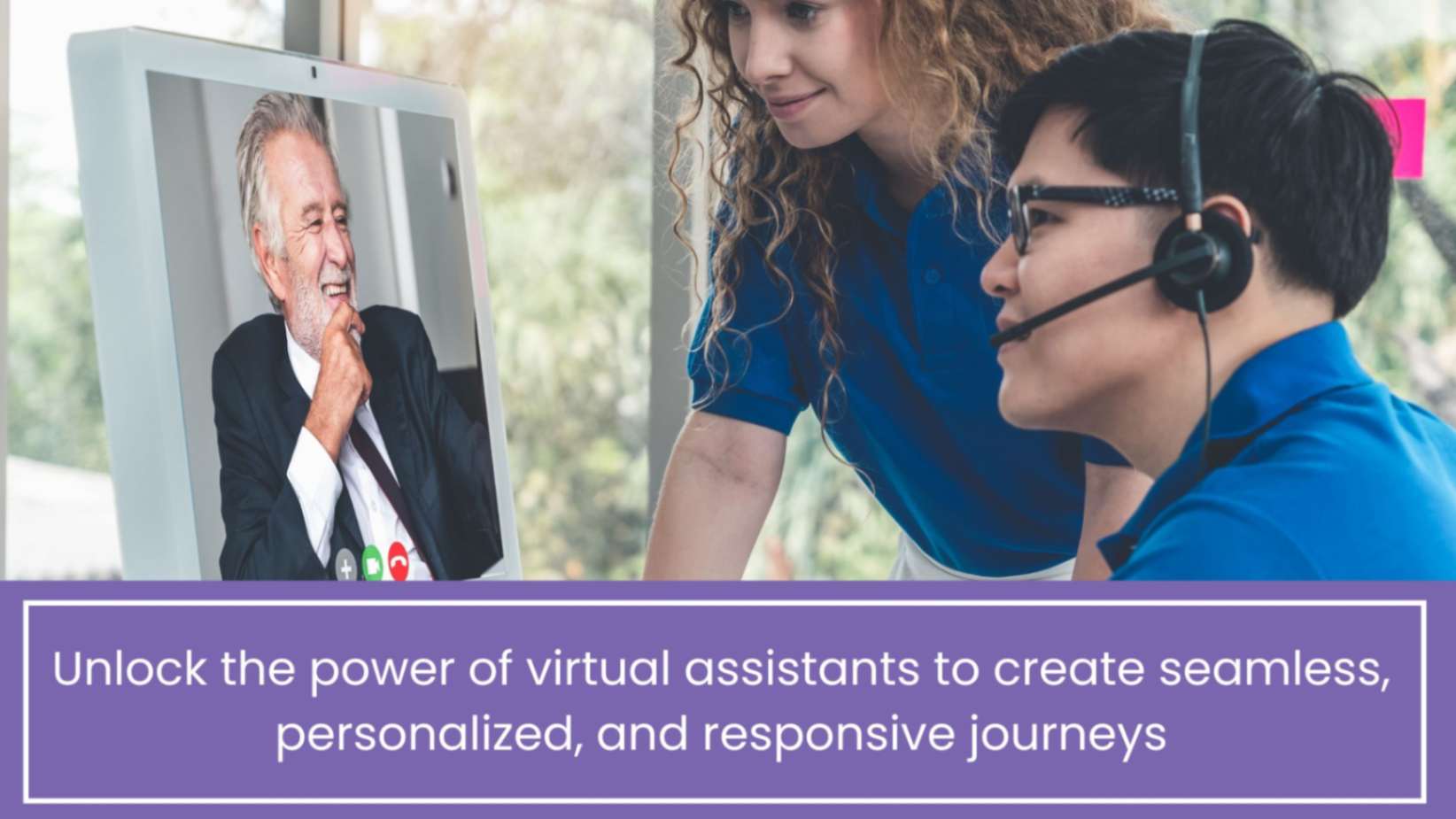
How Virtual Assistants Enhance Patient Engagement and Satisfaction
Patients want fast answers. Quick appointments. Clear talk. That’s a big reason we’re seeing how virtual assistants enhance patient engagement and satisfaction across so many practices today. These assistants pick up the calls, messages, and follow ups that used to slip through the cracks. In this guide, we cover what healthcare virtual assistants do. Why patient engagement matters right now. And how we, at Practolytics, help practices build stronger, happier patient relationships with the right virtual support in place.
Patients notice everything. How fast you pick up. How easy it is to book a visit. How clear your team talks to them. Small things. But they add up fast. They shape whether a patient stays with your practice or looks elsewhere next time. Even one slow reply or one confusing message can push a patient toward a different provider down the road.
A lot of practices now use virtual assistants for this. They handle the daily back and forth with patients. So nothing gets missed.
Table of Contents
What Are Healthcare Virtual Assistants?
A healthcare virtual assistant is a remote helper. They support your front desk and patient talk tasks. They work off-site. But they act as part of your team.
Here’s what they usually handle:
- Answering patient calls and messages.
- Scheduling and confirming appointments.
- Sending reminders so patients don’t forget visits.
- Answering simple patient questions.
- Helping with basic billing and insurance tasks.
Some practices also use ai-based virtual assistants and chatbots for patient engagement and support. These handle quick, routine questions on their own. This means patients get fast answers, any time of day. No waiting on a callback that might not come until the next day.
Why Patient Engagement Matters in Modern Healthcare?
Patients today expect more. Fast replies. Easy scheduling. Clear updates. If they don’t get it, they often go somewhere else.
Here’s why engagement matters so much:
- Engaged patients show up to appointments more often.
- Clear talk builds trust between patients and providers.
- Happy patients tend to stick with a practice longer.
- Good engagement leads to better health outcomes overall.
- Word of mouth grows when patients feel heard and cared for.
Virtual patient engagement isn’t just a nice extra anymore. Patients expect it now. The same way they’d expect a fast reply from any brand they trust, whether that’s a bank, a store, or a delivery app they use every week.
How Virtual Assistants Improve Patient Engagement?
So, how do ai assistants improve patient engagement? It comes down to a few simple things, done well, over and over.
- They answer calls and messages fast, so patients aren’t left waiting.
- They send appointment reminders, cutting down on missed visits.
- They follow up after visits, checking in on how patients feel.
- They handle simple questions right away, instead of a slow callback later.
- They keep talk steady, so nothing slips through the cracks.
A strong patient engagement virtual assistant setup means patients feel looked after at every step. Not just during the actual visit.
How Virtual Assistants Increase Patient Satisfaction Scores?
Patient satisfaction often comes down to small, everyday moments. Virtual assistants help get those moments right, again and again.
- Faster response times mean fewer frustrated patients.
- Clear appointment reminders cut down on confusion and stress.
- Friendly, quick answers to billing or scheduling questions build trust.
- Follow up messages show patients their care doesn’t stop after the visit ends.
Practices using healthcare virtual assistants patient satisfaction support often see real gains here. When the small things go smoothly, patients notice. And they remember. They also tend to tell others, whether that’s a good review or just word of mouth. Over time, this steady, positive experience turns into a real reputation for the practice, one built on trust instead of luck.
Benefits of Virtual Assistants for Healthcare Providers
It’s not just patients who gain from this. Providers and staff see real benefits too.
- Lower costs than hiring full in-house staff.
- Front desk staff feel less overwhelmed and stretched thin.
- Providers get more time to focus on actual patient care.
- Practices can scale support up or down as patient volume shifts.
- Enhancing service quality in virtual assistance gets easier once the right systems are in place.
Practices using virtual staffing services patient satisfaction support often find their whole day runs smoother. Not just the phone lines. Less scrambling in the morning. Fewer backed up voicemails by afternoon. Just a calmer pace overall, which tends to carry over into how staff treat patients too.
Can Virtual Assistants Replace Human Healthcare Staff?
Fair question. Short answer, not really.
Virtual assistants support your staff. They don’t replace them. Here’s how that plays out:
- They take repeat tasks off your team’s plate.
- Your in-house staff gets more time for hands-on care.
- Tricky or sensitive patient issues still go to your human staff.
- Virtual assistants work alongside your team, not instead of them.
Think of it as extra hands. Not a replacement for the people already doing great work at your practice. The goal is to make your team’s day easier. Not to take anyone’s job.
Why Practolytics Virtual Medical Assistants Help Healthcare Practices Grow?
This is where we help. At Practolytics, our virtual assistants are trained just for healthcare. Not general office work borrowed from somewhere else.
Here’s what we bring:
- Assistants trained across 28 plus specialties, so they understand your patients.
- Strong patient communication virtual assistant support, covering calls, messages, and follow ups.
- Fast onboarding, so you’re not waiting weeks to get help in place.
- HIPAA-compliant steps for handling patient info safely.
- Flexible support that grows with your practice as patient volume shifts.
If you’ve been searching where to buy ai virtual assistants for health plan engagement, or looking into full healthcare virtual staffing services patient satisfaction support, we’d love to show you how we work. We shape our support around your practice. Not some generic package built for someone else’s workflow.
Conclusion
Virtual assistants are changing how practices connect with patients every day. Faster replies, better follow up, and fewer missed appointments, all while keeping care personal. Practices that make this switch often see happier patients within just a few weeks, along with calmer, less stressed front desk teams. At Practolytics, we help practices build stronger patient relationships with the right virtual support behind them. If you want to see real gains in patient engagement and satisfaction, let’s talk about how we can help.
FAQs
How do virtual assistants improve patient engagement?
They answer calls and messages fast. They send appointment reminders. They follow up after visits. This keeps talk steady, so patients always feel looked after. When patients get quick, clear answers, they stay more engaged with their care overall.
Can virtual assistants improve patient satisfaction?
Yes. A few ways this happens:
- Faster response times mean less waiting and less frustration.
- Clear reminders cut down confusion around appointments.
- Friendly, quick answers build trust with patients.
- Follow up messages show patients their care matters after the visit too.
What tasks can healthcare virtual assistants perform?
They can handle a lot, including:
- Scheduling and confirming appointments.
- Answering patient calls and messages.
- Sending appointment reminders.
- Helping with billing and insurance questions.
- Following up with patients after visits.
This list can change based on what your practice needs most.
Are virtual assistants available 24/7 for patients?
Many virtual assistant setups can offer help outside normal office hours. This is especially true for ones using chatbots or automated tools. This means patients can get simple questions answered any time. No need to wait until the next business day for a reply.
How do virtual assistants reduce healthcare workload?
They take repeat tasks off your staff’s plate. Things like:
- Scheduling and rescheduling appointments.
- Sending reminders before each visit.
- Answering routine patient questions.
- Handling basic billing tasks.
This frees up your in-house team to focus more on patient care. And less on daily admin work that piles up fast.
Do virtual assistants replace medical staff?
No, not really. Virtual assistants support your existing staff instead of replacing them. They handle routine tasks. Your human team still manages tricky or sensitive patient needs. It’s really about giving your staff more time and less stress.
How do virtual assistants help reduce missed appointments?
They send timely reminders before each visit. A few common ways this works:
- Automated text or call reminders a day or two before the appointment.
- Follow up messages if a patient hasn’t confirmed yet.
- Easy rescheduling options if the original time doesn’t work.
This steady reminder system cuts down on missed visits a lot.
How do virtual assistants personalize patient experiences?
They can track patient history and likes, so talk feels personal instead of generic. Follow up messages, appointment reminders, and replies can all reflect what that specific patient needs. Rather than sending the exact same message to everyone on the list.
Are healthcare virtual assistants secure?
They should be, always. A trustworthy setup follows strict HIPAA rules. It uses secure systems for patient data. And it limits access to only what’s needed for each task. It’s worth checking this directly with any provider before bringing them into your practice.
Read More – From Chaos to Efficiency: A Small Practice’s Journey with a Virtual Assistant
Talk to Medical Billing Expert Today — Get a Free Demo Now!