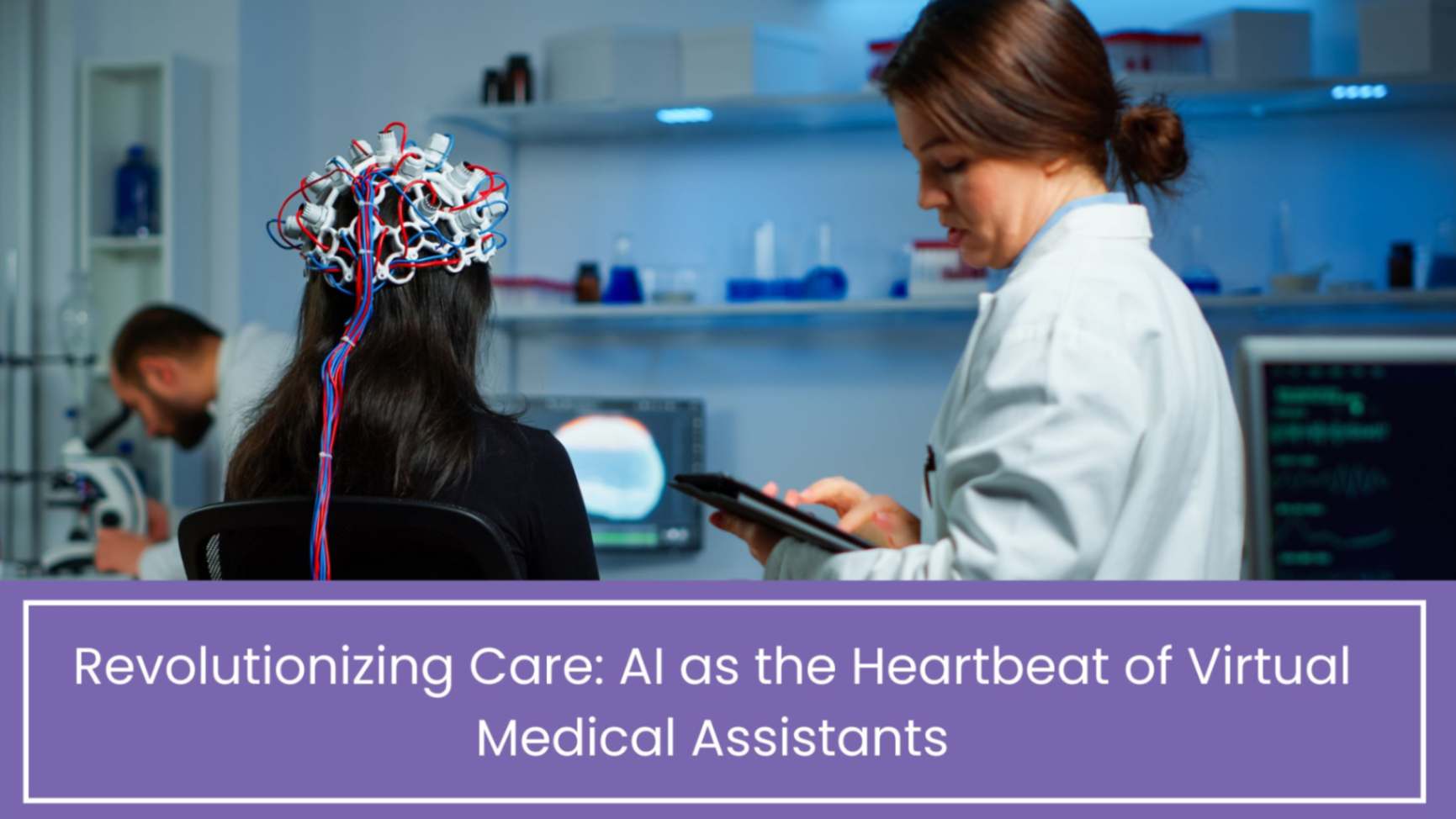
Role of AI in Shaping Virtual Medical Assistant Capabilities
Everyone’s talking about AI. But what can it really do for a medical practice? Good question. In this blog, we’ll look at the role of AI in shaping virtual medical assistant capabilities. We’ll keep it easy. AI helps virtual assistants book visits, answer patient questions, write notes and handle paperwork. But it’s not magic. It has limits, and it has to be used safely. We’ll cover the good stuff, the risks, HIPAA basics and what’s coming next. We’ll also show how Practolytics uses real people and smart tools together to help practices get more done with less stress. Small clinic or big group, this one’s for you.
Table of Contents
AI Virtual Medical Assistant Capabilities: Benefits, Use Cases & Limitations
Let’s start easy. A virtual medical assistant is a helper who works from afar. They take care of tasks for a medical practice. For years, that meant a trained person working online. Now there’s something new. AI.
AI doesn’t replace that helper. It makes them faster. It can read, sort, write and remind, all day long. And it never gets tired.
You’ll hear a few names for this. AI virtual assistant in healthcare. AI virtual assistant healthcare. Same idea. Software that understands words and helps with tasks, side by side with real staff.
The AI in virtual medical assistants market is growing too. More companies are building these tools. More practices are trying them. And it makes sense. Staff are stretched thin. Patients want fast answers. And the paperwork never stops.
Here’s what we’ll cover:
- What an AI virtual medical assistant is
- What it can do
- How it helps your practice
- The limits, patient safety and HIPAA
- What’s coming next
One quick heads up. AI is great at routine jobs. The same steps, again and again. It’s not great at judgment calls. And it shouldn’t be trusted with anything where a mistake could hurt someone. So the best setup is AI plus real people.
By the end, you’ll know what’s real, what’s hype, and whether it fits your practice.
What Is an AI-Powered Virtual Medical Assistant?
Short answer? It’s a tool that uses AI to help with office tasks in a medical practice.
It could be a chatbot on your website. Or a voice helper that answers your phone. Or a tool that listens during a visit and writes the note. Or software that helps a remote assistant work faster.
People call it different things. AI medical assistant. Medical assistant AI. AI healthcare virtual assistant. They all mean about the same thing.
How does it work? Here’s the quick version. The AI studies tons of examples of how people write and talk. So it can figure out what a patient is asking. It can pull key facts from a chat. And it can write a reply or a note. It doesn’t think like a person. It spots patterns, super fast.
Here are the main types:
- Chatbots. Text helpers on your website or app.
- Voice assistants. They answer calls and book visits.
- Ambient scribes. They listen to a visit and draft the note. The doctor checks it.
- Workflow helpers. They sort messages and flag missing info.
- Hybrid teams. A real virtual assistant uses AI tools to work faster.
That last one is the most common. Most practices don’t want a robot running the show. They want a real person with good tools. That’s safer, and it works better.
So, how are intelligent virtual assistants used in healthcare? Mostly for the routine stuff. Scheduling. Reminders. Intake. Messages. Notes. Billing help. Let’s look at those next.
Key AI Capabilities in Virtual Medical Assistance
Here’s what AI can do today.
Scheduling and reminders. It books, changes and cancels visits. It sends reminders. It fills open slots when someone cancels.
Patient intake. It collects names, insurance, history and the reason for the visit. All before the patient walks in.
Answering questions. Office hours. Directions. How to get ready for a test. Refill requests. It answers the common stuff any time of day.
Triage help. It asks a few basic questions. If something sounds urgent, it flags it so a person can step in. It should never make medical decisions alone.
Note writing. It can listen to a visit and draft the note. The provider checks it and signs off.
Insurance and billing help. It can check coverage, spot missing info and help follow up on claims.
Message sorting. It sorts your inbox by topic and urgency. So the important stuff doesn’t get buried.
Prior authorization help. It gathers the right papers and keeps track of requests.
Follow-ups. It checks in after visits, reminds patients to take meds and shares care tips.
Data entry. It puts info in the right spot in your EHR, so your staff don’t have to type it twice.
Language help. Some tools can translate and work in more than one language.
See the pattern? These are all jobs with clear steps. That’s where AI shines. It’s also why AI virtual assistant technology in healthcare keeps coming up when people talk about staffing and burnout.
A quick tip. Start with one or two jobs, like scheduling and reminders. See how it goes. Then add more.
Benefits of AI Virtual Medical Assistants for Healthcare Practices
So what do you get out of it? Here are the big wins.
Time back. Less typing. Less phone tag. Less paperwork. Your team gets hours back.
Faster answers. Patients hear back right away. Even at night or on weekends.
Fewer no-shows. Reminders and easy rescheduling keep your schedule fuller.
Happier patients. Quick answers and easy booking go a long way.
Less burnout. When the boring stuff is handled, people can focus on the work they like.
Fewer mistakes. Software can catch missing fields and mismatches. That helps cut denials.
Lower costs. One person can get more done, so you may not need to hire as much.
Easy to grow. Busy season? New location? AI can handle more volume without a long hiring process.
Cleaner data. Info lands where it belongs. That helps billing, reports and care.
For smaller practices, this can be huge. They don’t have extra hands. An AI healthcare virtual assistant that handles calls and reminders can feel like adding a team member.
But here’s the catch. It only helps if it fits your practice. If it’s hard to use, or doesn’t work with your EHR, it can make more work. So test it first. And ask your staff what they think.
Also, don’t expect magic overnight. Most practices need a few weeks to learn the tool and adjust things.
AI Limitations, Patient Safety, and HIPAA Considerations
Now for the honest part. AI isn’t perfect.
It can be wrong. And sometimes it sounds very sure when it is. In healthcare, that’s a problem.
It has no judgment. It can’t weigh a patient’s whole story like a clinician can.
It can miss urgent signs. A patient might describe chest pain in an odd way. A person would catch it. A tool might not.
It can be biased. If it learned from limited data, it may work better for some people than others.
It can struggle with voices. Accents, background noise and unclear speech can trip up voice tools.
It may not fit your systems. A weak EHR connection means more manual work.
So how do you keep patients safe?
- Keep people in the loop. Providers should review notes and any clinical advice.
- Set clear limits. The tool should pass anything urgent or medical to a person.
- Test before launch. Try it with your staff first.
- Check the work. Spot-check notes, messages and bookings often.
- Be honest with patients. Tell them when they’re talking to an AI.
- Have a backup plan. If the tool goes down, your front desk should know what to do.
HIPAA matters too. Anything that touches patient info has to follow HIPAA. Here’s what to check:
- A signed business associate agreement (BAA) with the vendor
- Encryption for data stored and sent
- Limited access, so only the right people see patient info
- Clear rules on whether patient data is used to train the AI
- Audit logs, so you can see who did what
- Staff training
Never paste patient info into a tool that doesn’t have a BAA. And ask where your data is stored.
Think of AI as a tool. It works best when people stay in charge.
The Future of AI-Powered Virtual Medical Assistants
So where’s this all going? Nobody knows for sure. But here are some trends to watch.
- Smarter notes. Scribes will get better at capturing visits and drafting accurate notes.
- Better EHR links. Tools will plug in more smoothly, so data moves without extra clicks.
- More personal follow-ups. Check-ins that fit each patient.
- Home care. Assistants that check in with patients at home and flag concerns.
- More billing help. Coding hints, prior authorizations and denial follow-up.
- More voice. Hands-free tools for providers and patients.
- More rules. Expect more guidance on safety, privacy and honesty.
- Team setups. People and AI working together, each doing what they do best.
The big idea is teamwork. AI handles the repeat stuff. People handle judgment, kindness and tricky cases. Practices that get that balance right will probably do best.
At Practolytics, we think of virtual medical assistants as people plus smart tools. Our team helps with scheduling, intake, insurance checks, prior authorization, billing support and more. We use tech to work faster, but real people stay in charge. Curious how that could work for you? Tell us what’s slowing your team down. We’ll show you where to start.
Conclusion
AI is changing what virtual medical assistants can do. But it works best with people in charge. Start small. Pick tools that follow HIPAA. Check the results. Keep real people in the loop. Now you know the role of AI in shaping virtual medical assistant capabilities, the good and the limits. Want help finding the right mix? Practolytics is here to talk. We’ll help you start small. Reach out today, tell us what’s eating up your team’s time, and let’s put smart tools to work.
FAQs
How does AI improve virtual medical assistant capabilities?
AI helps virtual assistants work faster and do more. It can understand patient questions, sort messages, draft notes, fill in forms and send reminders any time of day. It also helps catch missing info. People still check the important stuff.
What tasks can an AI-powered virtual medical assistant automate?
Scheduling, reminders, patient intake, simple questions, message sorting, visit notes, insurance checks, data entry and follow-ups. Jobs with clear steps work best.
Can AI virtual medical assistants integrate with EHR and EMR systems?
Often, yes. Many connect through APIs, SMART on FHIR or browser tools. It depends on your EHR, so ask the vendor which systems they support. Test the connection before you commit.
Are AI virtual medical assistants HIPAA-compliant?
They can be, but only if the vendor follows HIPAA. Look for a signed business associate agreement, encryption, limited access and clear rules on how patient data is used. Don’t assume. Get it in writing.
Can AI virtual medical assistants replace human medical assistants?
No. AI is great for routine, repeat tasks. But people are still needed for judgment, kindness, urgent situations and tricky cases. Most practices do best with a mix of both.
How can AI virtual medical assistants improve patient engagement?
They give quick answers, send reminders, make booking easy, follow up after visits and help patients who speak other languages. Patients feel looked after, and fewer of them slip through the cracks.
How can a medical practice implement AI virtual medical assistant services?
Start with one pain point, like scheduling or reminders. Pick a HIPAA-ready tool that fits your EHR. Test it with your staff, set clear rules for when a person steps in, and check results often. A partner like Practolytics can help you set it up and keep it running.
Read More – From Chaos to Efficiency: A Small Practice’s Journey with a Virtual Assistant
Talk to Medical Billing Expert Today — Get a Free Demo Now!