
How are Virtual Assistants Important in the Medical Field
A front desk phone rings eleven times before lunch, and every call is about the same three things — scheduling, insurance, or a form nobody filled out right. How Are Virtual Assistants Important in the Medical Field? Because someone has to catch all of that without pulling a nurse or a doctor away from a patient. A virtual assistant handles the administrative side of a practice remotely, and for a lot of clinics that’s the difference between a smooth day and a backed-up one. This piece covers what these assistants actually do, why more practices are hiring them, and how Practolytics builds this support around the way a specific practice already works.
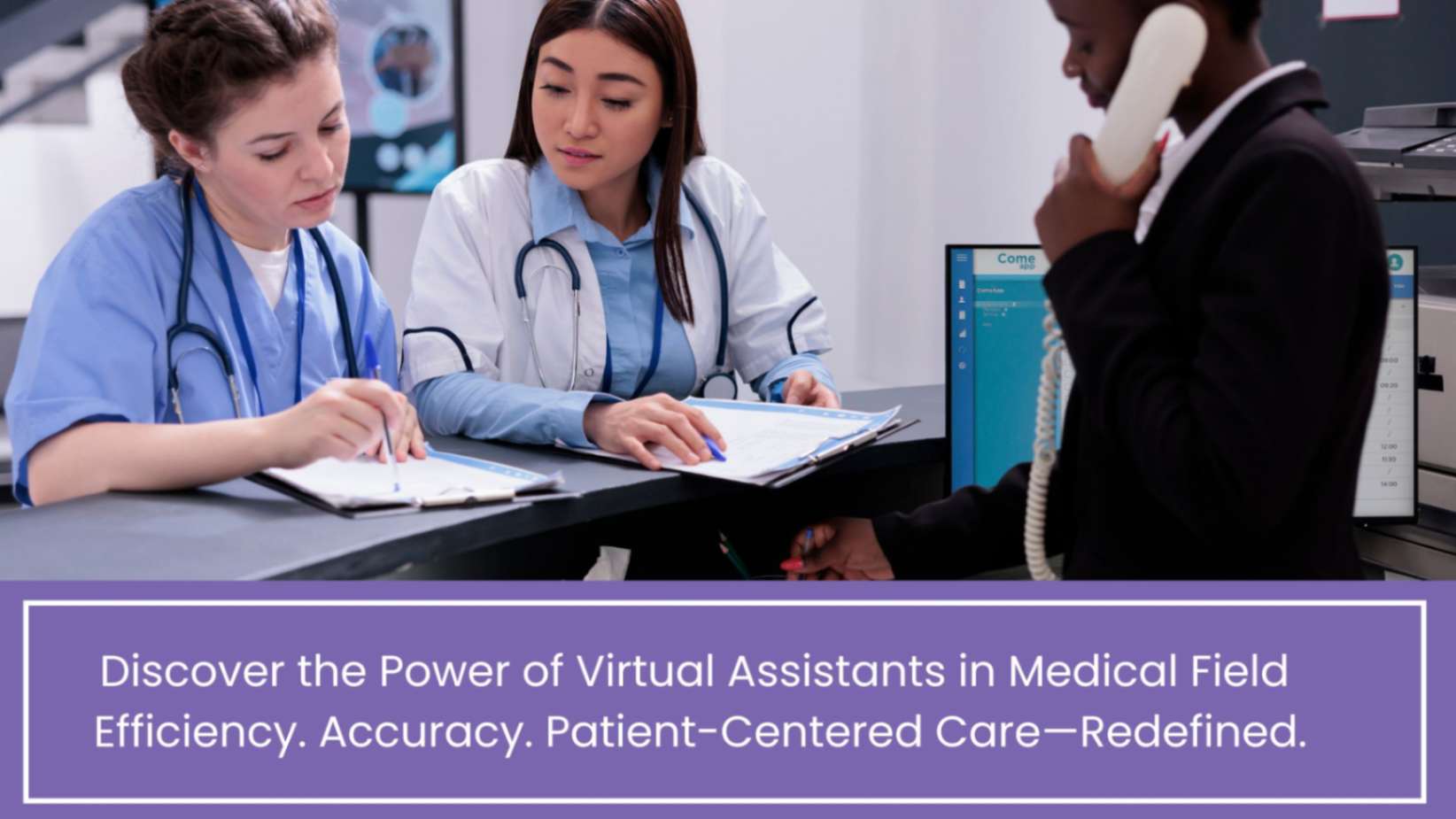
Walk into most medical offices around lunchtime and you’ll see the same thing. Phones ringing, a stack of forms nobody’s gotten to yet, and a front desk person trying to check in a patient while also being on hold with an insurance company. It’s not that anyone’s failing at their job. There’s just more admin work than hours in the day.
That’s the gap a virtual assistant fills. How Are Virtual Assistants Important in the Medical Field? The short version is they take the repetitive, time-consuming parts of running a practice and handle them remotely, so the people physically in the building can actually focus on patients.
Practolytics has placed virtual assistants in practices ranging from single-provider clinics to larger multi-specialty groups, and the pattern is always similar. Once the admin load gets handled properly, everything else runs a little easier.
Table of Contents
Why Are Virtual Assistants Important in the Medical Field?
Healthcare runs on paperwork almost as much as it runs on patient care. Insurance verification, scheduling, records updates, billing questions — none of it stops, and all of it needs to happen correctly or it turns into a bigger problem later.
Understanding healthcare virtual assistant skills helps explain why this role matters so much. A good virtual assistant isn’t just answering phones. They’re verifying coverage before a patient even walks in, updating records accurately, and catching small errors before they become claim denials or scheduling conflicts. Take that off a practice’s plate and staff get their time back for the things that actually need a person in the room.
There’s also a cost angle here. Adding another full-time in-office hire isn’t cheap, and it’s not always necessary. A virtual assistant covers a lot of that same ground without the overhead of another desk, chair, and benefits package.
What Tasks Can Virtual Assistants Handle in Healthcare?
More than people usually expect, honestly.
On the scheduling side, they manage appointment bookings, send reminders, and handle rescheduling when a patient calls in. On the insurance side, they check eligibility and benefits ahead of visits, which cuts down on surprises at check-in. They also handle a lot of the administrative tasks of a medical virtual assistant role that don’t get talked about much — updating patient records, managing referrals, following up on missing documents, and answering routine patient questions that don’t need a clinician’s input.
Some virtual assistants go further into billing support too, helping with claims and payment posting. It depends on the practice and what they need most, but the range is wider than a lot of people assume going in.
How Virtual Assistants Improve Healthcare Practice Efficiency?
Efficiency here isn’t an abstract idea. It shows up in specific ways.
Patients get their calls answered instead of sitting on hold, which matters more to patient satisfaction than most practices realize. Front-desk staff aren’t stretched across five things at once, so fewer mistakes slip through. Records stay current because someone’s actually keeping up with them instead of falling two weeks behind. And when insurance gets verified before the appointment instead of during it, patients don’t get an unpleasant billing surprise weeks later.
None of this happens instantly. But over a few months, practices with strong virtual assistant support tend to run noticeably smoother than they did before.
Benefits of Hiring Virtual Assistants for Medical Practices
The benefits of hiring a virtual medical assistant tend to show up in a few consistent places.
Time is the obvious one — staff get hours back that used to go toward admin work. Cost is another; practices typically spend less than they would on an additional in-office hire for the same coverage. There’s also flexibility, since virtual assistant support can scale up during busy seasons and scale back when things are slower, without the complications of hiring or laying off in-house staff.
And there’s a quieter benefit too. When the admin side runs smoothly, patients notice. Calls get answered, appointments run on time, and the front desk feels less chaotic when someone walks in.
Why Healthcare Providers Are Choosing Virtual Assistant Services?
The shift toward virtual assistant services isn’t random. A few things are pushing it.
Staffing has gotten harder across healthcare generally, and finding reliable in-office administrative help isn’t as easy as it used to be. The advantages of virtual medical assistant in healthcare setups also include faster onboarding, since a lot of virtual assistants come already trained on common practice management systems. Remote work has become normal enough that practices don’t see it as unusual anymore either — it’s just another way to get the work done.
For smaller practices especially, this option makes sense. They get administrative support without needing the space, equipment, or full-time commitment that an in-office hire requires.
How Practolytics Virtual Assistants Support Healthcare Providers?
This is where Practolytics comes in directly. Our virtual assistants are trained specifically for healthcare administrative work — not general office tasks, but the actual day-to-day of running a medical practice.
We handle scheduling, insurance verification, records management, and a lot of the back-and-forth that eats up front-desk time. Our team already knows the common practice management platforms, so there’s no long onboarding period before they’re useful. And because this is our focus, we keep up with the details that change — payer rules, documentation requirements, whatever shifts week to week — so your staff doesn’t have to track all of it themselves.
The advantages of medical virtual assistant support through Practolytics come down to this: your team gets time back, your patients get better service, and your practice runs the way it’s supposed to without adding unnecessary overhead.
Conclusion
How Are Virtual Assistants Important in the Medical Field? Because the administrative side of healthcare doesn’t slow down, and someone needs to handle it well without pulling clinical staff away from patients. From scheduling to insurance verification, virtual assistants cover the ground that keeps a practice running smoothly. Practolytics builds this support around how your practice actually operates, not a generic template. If admin work has been piling up at your practice, this might be the simplest fix available.
FAQs
Why are virtual assistants important in healthcare?
They take on the administrative load that would otherwise pull staff away from patient care — scheduling, insurance checks, records, and follow-up. That frees up in-office time for the work that actually needs a person physically present.
What tasks can a medical virtual assistant perform?
- Appointment scheduling and reminders
- Insurance eligibility and benefits verification
- Patient records updates
- Referral coordination and follow-up
- Basic billing support
Are virtual assistants HIPAA compliant?
They should be, and any credible provider will confirm this upfront. Practolytics trains virtual assistants on HIPAA requirements and secure handling of patient information as a standard part of the role, not an afterthought.
How can virtual assistants help doctors?
Mostly by clearing the administrative clutter off their plate. Less time spent on scheduling conflicts, insurance confusion, or chasing down records means more time actually spent with patients.
Can virtual assistants reduce healthcare costs?
Often, yes. Practices typically pay less for virtual assistant support than they would for an additional full-time in-office hire covering the same tasks, without the added overhead of space or equipment.
What is the difference between a virtual assistant and a medical virtual assistant?
A general virtual assistant handles broad admin tasks — email, scheduling, general office work. A medical virtual assistant is trained specifically for healthcare: insurance verification, patient records, HIPAA compliance, and the specific workflow of a medical practice.
Should small medical practices hire virtual assistants?
For a lot of small practices, yes. They often don’t have the patient volume to justify a full-time in-office administrative hire, but they still need the work done. Virtual assistant support fills that gap without the added cost.

Read More – From Chaos to Efficiency: A Small Practice’s Journey with a Virtual Assistant
Talk to Medical Billing Expert Today — Get a Free Demo Now!