
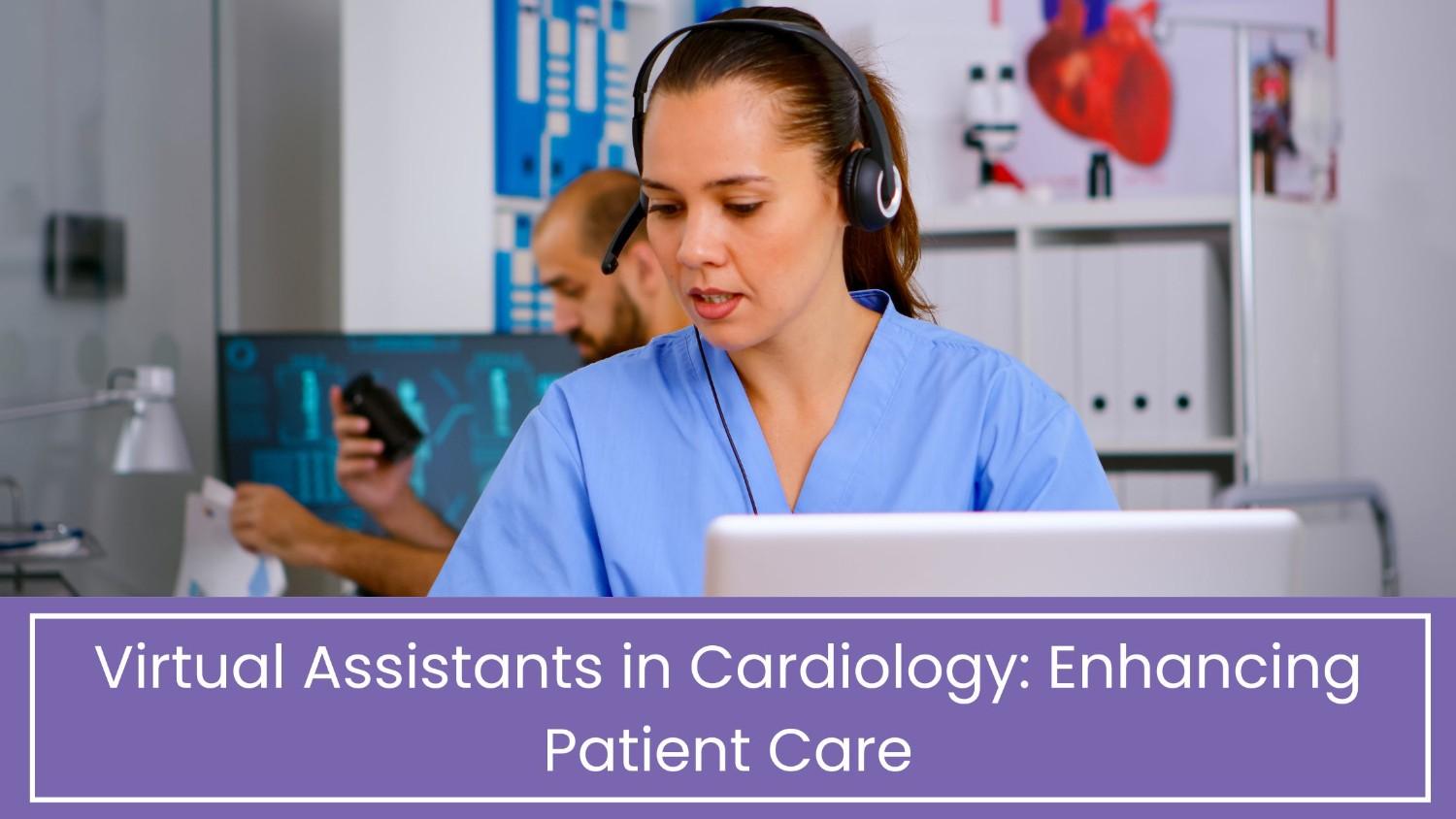
Virtual Assistants in Cardiology: Enhancing Patient Care
Cardiology practices deal with a lot more than just patient visits day to day. This guide covers virtual assistants in cardiology enhancing patient care. We’ll get into the real benefits of using virtual assistants, the tasks they usually handle, and how they actually make a difference for patients, not just for the front desk. We’ll also talk about picking the right partner, and how we, at Practolytics, support cardiology practices with this.
Table of Contents
Virtual Assistants in Cardiology: Enhancing Patient Care, Efficiency & Practice Growth
Cardiologists got into this field to treat hearts. Not to fight with insurance portals or chase paperwork all day long. But that’s exactly what a lot of cardiology practices end up dealing with, layered on top of an already packed patient schedule.
Here’s the thing about cardiology specifically. It’s not a quick in-and-out specialty. Patients need ongoing monitoring, frequent follow-ups, detailed documentation, and real coordination between visits. All of that admin work piles up fast, and it quietly eats into time that should be going toward actual patients.
That’s where virtual assistants come in. Not to replace anyone on your team, but to take the repetitive, time-consuming stuff off their plate.
Here’s what we’re getting into:
- The real benefits virtual assistants bring to cardiology practices
- The tasks they typically handle
- How they actually improve patient care, not just admin efficiency
- How to pick the right virtual assistant partner
Let’s get into it.
Key Benefits of Virtual Assistants for Cardiology Practices
Bringing on a virtual assistant changes more than just who’s answering the phone. Here’s what actually shifts once they’re part of the workflow.
- Less admin weight on your core staff. When routine tasks get handled somewhere else, your in-office team can actually focus on the patient standing in front of them.
- Fewer scheduling headaches. Appointments get booked right, no awkward overlaps, no double bookings eating into an already tight day.
- Cleaner insurance and billing info. Details get checked ahead of time, which means fewer surprises later and fewer denied claims sitting around.
- More consistent follow-up. Patients stop falling through the cracks once someone’s actually tracking who needs a callback or a reminder.
- Lower cost than hiring in-house. Bringing on a cardiology virtual assistant usually costs less than hiring, training, and keeping full-time staff for the exact same work.
- Room to grow without falling apart. As patient volume climbs, a virtual assistant helps absorb that growth so your front desk doesn’t buckle under it.
Common Tasks Handled by Cardiology Virtual Assistants
Here’s what a virtual assistant for cardiology usually takes on day to day.
- Scheduling and confirming patient appointments
- Verifying insurance coverage before visits
- Handling prior authorization requests
- Updating charts and EMR entries
- Managing routine follow-ups and reminders
- Processing referrals between providers
- Supporting billing tasks like claim tracking and documentation
- Answering routine patient calls and messages
None of this is glamorous. But it’s exactly the kind of work that, when it slips, causes real problems. Missed appointments. Denied claims. Frustrated patients who don’t come back.
How Virtual Assistants Improve Cardiology Patient Care?
This is really the part that matters most. It’s not just about saving time. It’s about what that time actually does for patients.
- Patients get seen faster. When scheduling runs smoothly, nobody’s stuck waiting weeks for an appointment that should’ve been simple to book.
- Fewer surprises at the front desk. When insurance gets checked ahead of time, patients aren’t blindsided by coverage issues on the actual day of their visit.
- Better continuity of care. Cardiology patients often need ongoing monitoring, and steady follow-up means fewer people slipping through the cracks between visits.
- More actual face time with the cardiologist. When staff aren’t buried in admin work, cardiologists get more real time with each patient, instead of rushing between rooms.
- Faster authorization turnaround. Cardiology treatments often need prior approval, and having someone actually tracking these requests means less delay before treatment starts.
- A calmer, more organized practice overall. Patients pick up on it when a place feels chaotic versus when it just runs smoothly. That feeling shapes how much they trust the care they’re getting.
The best virtual assistant for cardiology isn’t just picking up phones. They’re quietly protecting the whole patient experience from behind the scenes.
How to Choose the Right Virtual Assistant Partner for Cardiology?
Not every virtual assistant service actually understands cardiology. Here’s what matters when you’re picking one.
- Look for real cardiology experience. Coding, billing rules, and documentation needs here are different from general primary care, so generic experience isn’t always enough.
- Ask about HIPAA compliance. Patient info needs to stay protected no matter who’s handling the task in the background.
- Check how they communicate. You should always know what’s being done and how it’s going, not left wondering what’s happening on the other end.
- Ask about training and turnover. A virtual assistant who sticks around and actually learns your workflow is worth a lot more than one who’s constantly new.
- Confirm they cover both clinical support and billing tasks. Cardiology practices usually need help across the board, not just one narrow piece of it.
- Ask for real examples. A good partner should be able to point to actual results from other cardiology practices they’ve worked with.
At Practolytics, we built our whole approach around these standards, with virtual assistants trained specifically for cardiology workflows.
Conclusion
Cardiology practices don’t need more hours in the day. They need less admin work eating into the hours they already have. Virtual assistants take on the scheduling, verification, documentation, and follow-up work that quietly slows practices down. At Practolytics, we provide virtual assistants trained specifically in cardiology workflows, so your team can spend time on patients instead of paperwork. The result is smoother operations, fewer mistakes, and better care for the patients depending on you.
FAQs
1. What does a virtual assistant do for a cardiology practice?
A cardiology virtual assistant handles admin and support tasks like scheduling, insurance verification, prior authorizations, chart updates, and patient follow-ups, so in-office staff can focus on patient care.
2. How can virtual assistants improve cardiology patient care?
By handling admin work behind the scenes, they cut down on scheduling errors, speed up authorizations, and free up cardiologists to actually spend time with patients instead of buried in paperwork.
3. Can virtual assistants help with cardiology billing tasks?
Yes. Virtual assistants trained in cardiology billing can support claim tracking, documentation, and insurance verification, which helps cut denials and keeps revenue moving smoothly.
4. Are virtual assistants HIPAA compliant?
They should be. A properly trained virtual assistant follows strict HIPAA rules to keep patient information secure across every task they touch.
5. What tasks can a cardiology virtual assistant handle?
Common tasks include:
- Scheduling and confirming appointments
- Insurance verification
- Prior authorization requests
- EMR and chart updates
- Patient follow-ups and reminders
- Referral processing
- Billing support
6. How do virtual assistants reduce cardiologist workload?
By taking over repetitive admin work, virtual assistants free cardiologists and their staff from paperwork that eats into patient care time, so the clinical team can focus on what they’re actually trained to do.
7. Do virtual assistants replace cardiology staff?
No. They support your existing staff by handling routine, time-consuming tasks. They work alongside your team, not instead of them, giving your practice more room without adding full-time headcount.
8. Why should cardiology practices use virtual assistant services?
Cardiology involves a lot of ongoing patient management and detailed documentation. Virtual assistants help practices keep up with that workload without sacrificing patient care or burning out existing staff.
Read More – From Chaos to Efficiency: A Small Practice’s Journey with a Virtual Assistant
Talk to Medical Billing Expert Today — Get a Free Demo Now!