
Virtual Medical Assistant Companies in Atlanta
The healthcare industry has changed quite a bit over the last few years. At the same time patient expectations keep rising; medical practices are also stuck with bigger administrative loads, staffing pressure, reimbursement complexities, and those ever-growing operational costs.
For a lot of virtual medical assistant companies in atlanta, finding and keeping qualified administrative staff has turned into one of the hardest hurdles that slows practice growth.
That’s kind of why virtual medical assistant companies are getting more attention lately it feels like more practices are noticing them.
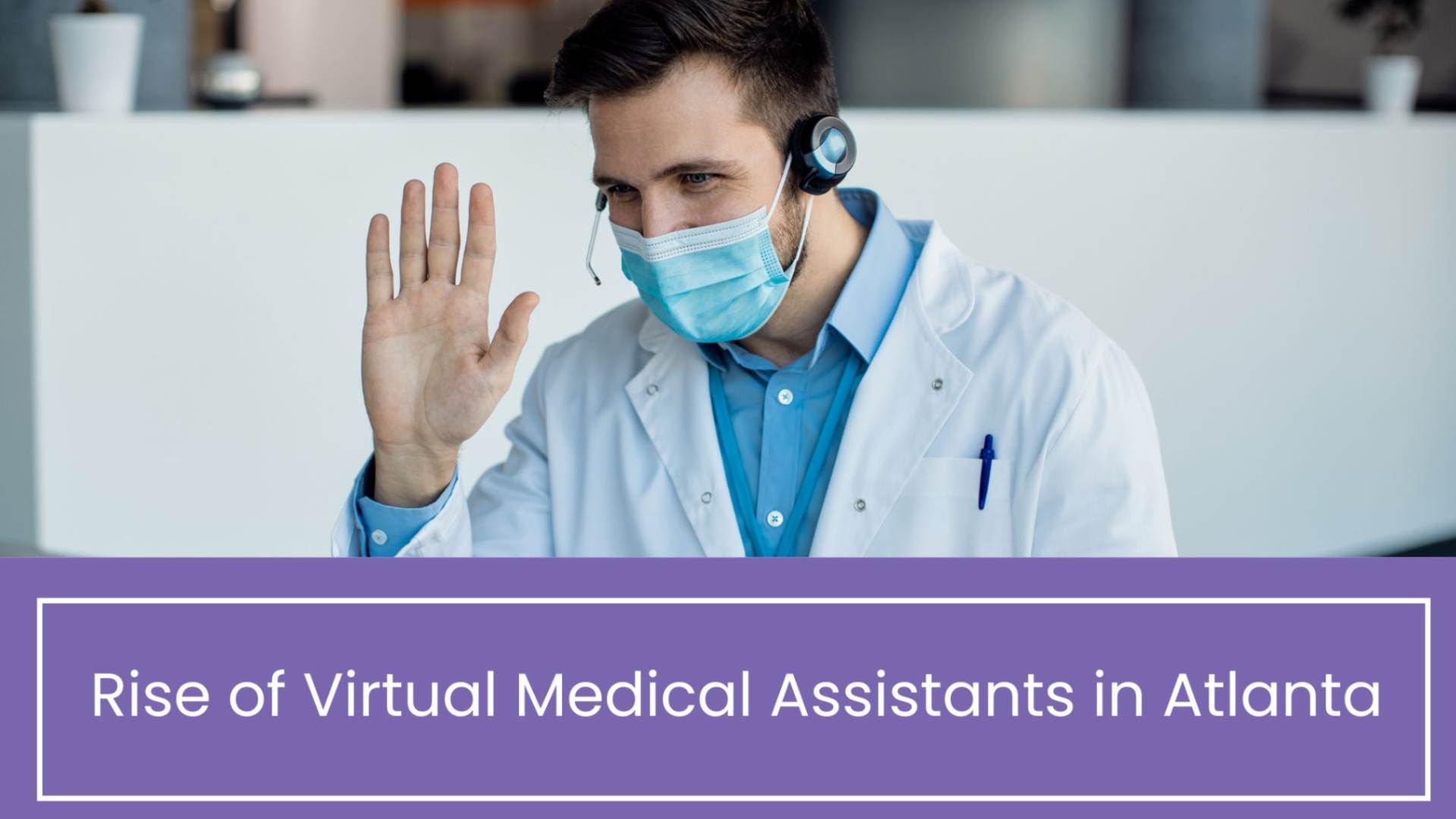
A healthcare virtual assistant is basically a trained professional who supports medical practices remotely, doing administrative work, operational support, and also patient engagement tasks. Instead of bringing on more in-house employees, practices can use virtual support teams that just work in sync with the team you already have.
Today’s virtual medical assistant services go way beyond just scheduling. A lot of virtual assistants get trained for healthcare specifically, and they tend to grasp the medical workflow too, plus the HIPAA rules, EMR systems, insurance steps, and those patient communication protocols that have to stay consistent.
Some common services you might see include appointment scheduling, patient intake coordination , insurance verification, prior authorization support, referral management, prescription refill requests, medical record management, patient follow-ups, EMR documentation support, and billing assistance.
Overall as healthcare organizations try to find smarter ways to run day-to-day operations, healthcare virtual assistant services are starting to feel more like a strategic investment, not only a temporary staffing stopgap fix.
Table of Contents
Why Atlanta Medical Practices Turning to Virtual Medical Assistants?
Atlanta is one of the fastest-growing healthcare markets in the United States; still, it feels like every month something new is moving in. The city keeps drawing in new residents, plus healthcare providers, specialty clinics, and hospital systems.
Even if growth brings chances, it also drags in headaches. Quite often, a lot of practices end up dealing with staff shortages, employee turnover ,and then rising labor costs, all at the same time. On top of that, there are higher patient volumes, physician burnout, and a kind of administrative overload that just stacks up, day after day.
And then there’s revenue cycle inefficiency, which can be a major slowdown for steady collections. When all of that happens together, patient satisfaction tends to slip, provider productivity gets squeezed, and financial performance can take a real hit.
Staffing Challenges Continue to Impact Healthcare
Recruiting seasoned healthcare admin staff is getting more difficult every year. Some workforce reports keep saying the same thing, healthcare support roles are still among the hardest positions to fill across the nation.
When a front desk person leaves, it can create a little chaos in real life, like appointment times get shifted, patient communication slows down , insurance verification becomes spotty. Then there’s referral processing, documentation workflows, and all the day to day admin things that suddenly feel heavier than they should.
Finding a replacement can drag on for weeks, sometimes even months, and that’s if applicants show up at all. A virtual medical assistant company can help practices keep operations steady, without the long delays and extra expenses that come with typical hiring.
Cost Savings Without Sacrificing Quality
One of the biggest reasons practices invest in virtual medical assistance is cost control.
Traditional hiring expenses include:
|
Cost Category |
In-House Employee |
|
Salary |
High |
|
Benefits |
Additional Cost |
|
Payroll Taxes |
Additional Cost |
|
Office Space |
Required |
|
Equipment |
Required |
|
Training |
Ongoing |
|
Turnover Costs |
Significant |
Virtual assistants eliminate many of these expenses while providing dedicated healthcare support.
Reduced Physician Burnout
Physician burnout is still a major issue across the healthcare space. A lot of providers spend hours each day dealing with documentation, patient messages, the scheduling maze, and other admin responsibilities, and so on. Virtual assistants help to move some of that load off the physicians so they can focus more on actual patient care, and clinical decision making more directly instead of getting stuck in the paperwork, you know.
Better Patient Experiences
Patients expect convenient scheduling, prompt responses, and consistent communication.
By partnering with experienced healthcare virtual assistant companies, practices can improve responsiveness and enhance the overall patient experience.
What Makes Practolytics the Best Virtual Medical Assistant in Atlanta?
When evaluating virtual medical assistant companies in Atlanta, healthcare providers need more than administrative support. They need a partner that understands healthcare operations, compliance requirements, patient engagement, and revenue cycle management.
Practolytics delivers all of these capabilities.
Healthcare-Focused Expertise
Unlike general virtual staffing agencies, Practolytics focuses exclusively on healthcare.
Every assistant is trained to understand:
- Medical terminology
- Clinical workflows
- Insurance processes
- HIPAA regulations
- Patient communication standards
- EMR systems
This healthcare-specific expertise enables assistants to become productive quickly while minimizing training requirements.
Comprehensive Administrative Support
Practolytics offers a full range of medical virtual assistant services designed specifically for healthcare providers.
Services include:
- Appointment scheduling
- New patient registration
- Insurance verification
- Prior authorization coordination
- Referral management
- Patient reminders
- Follow-up calls
- Medical records requests
- Inbox management
These services help practices reduce administrative burdens and improve operational efficiency.
Revenue Cycle Support
Many providers need more than administrative assistance.
Practolytics also supports:
- virtual assistant medical billing
- Payment posting
- Claims follow-up
- Denial management support
- Accounts receivable workflows
- Insurance communication
This integrated approach allows practices to improve both operational and financial performance.
Scalable Solutions for Every Practice
Whether you’re a solo physician, specialty practice, multi-provider clinic, or healthcare organization, Practolytics offers flexible support models tailored to your needs.
Virtual Medical Assistant Integration With AdvancedMD and Major EMRs
Technology plays a critical role in modern healthcare operations.
A virtual assistant must be capable of working within the systems your team uses every day.
Practolytics supports major healthcare technology platforms, including:
- AdvancedMD
- Athenahealth
- eClinicalWorks
- NextGen
- Kareo
- Greenway Health
- DrChrono
- Epic
- Cerner
Why EMR Experience Matters
An experienced assistant can help practices
- Schedule appointments
- Update patient records
- Manage patient communications
- Process referrals
- Track authorizations
- Document encounters
- Verify insurance information
Without EMR expertise, virtual assistants may require extensive onboarding and supervision.
For practices seeking a medical admin virtual assistant in Atlanta, EMR proficiency should be a non-negotiable requirement.
Improved Workflow Efficiency
When virtual assistants work directly within your EMR system, information flows more efficiently between patients, providers, and administrative teams.
This leads to:
- Faster documentation
- Fewer errors
- Better communication
- Improved patient experiences
- Increased productivity
What Every Atlanta Practice Must Demand from Their Virtual Medical Assistant
Not all virtual assistant providers are created equal.
Choosing the wrong partner can create operational challenges rather than solve them.
Here are the most important qualities Atlanta healthcare providers should prioritize.
HIPAA Compliance
Patient information security should always come first.
A provider offering healthcare virtual assistant services must maintain strict HIPAA compliance standards and secure communication protocols.
Healthcare-Specific Training
Generic virtual assistants often lack the healthcare knowledge required to navigate insurance processes, medical terminology, and patient communication standards.
Choose a provider that specializes in virtual assistant services for medical practice environments.
Strong Communication Skills
Virtual assistants often serve as the first point of contact for patients.
Professionalism, empathy, and responsiveness directly impact patient satisfaction.
EMR Expertise
Your assistant should already understand the systems your practice uses.
This reduces training time and accelerates productivity.
Scalability
As patient volumes keep growing, your support needs might shift around a bit. Your virtual assistant provider should be ready to scale up services, without throwing off day to day operations, or make everything feel weird.
Performance Reporting
The best virtual medical assistant companies offer some measurable insight into productivity and patient engagement and also the operational performance—kind of overall. They tend to track things clearly, like turnaround times and response quality, and overall clinic flow.
Revenue Cycle Knowledge
Administrative support by itself isn’t enough anymore, honestly. Providers who really get insurance verification, also understand authorizations, know the billing workflows, and can manage collections can bring far more value than people expect.
Why Demand for Virtual Medical Assistants Continues to Grow in 2026
Several industry trends are accelerating adoption.
|
Healthcare Challenge |
Impact of Virtual Assistants |
|
Staffing Shortages |
Fill operational gaps |
|
Rising Labor Costs |
Reduce overhead |
|
Provider Burnout |
Reduce administrative burden |
|
Increasing Patient Volumes |
Improve workflow efficiency |
|
Revenue Pressure |
Support collections and billing |
|
Technology Adoption |
Enhance EMR utilization |
Industry analysts estimate healthcare outsourcing and virtual workforce adoption will continue growing throughout 2026 as providers seek more efficient operational models.
Practices that embrace virtual support are often better positioned to scale, improve patient experiences, and maintain profitability.
Conclusion:
The demand for the best virtual medical assistant companies in Atlanta keeps growing, mainly because healthcare organizations are dealing with more and more administrative complexity, staffing shortages, and financial pressures, all at once. Virtual assistants are kinda a practical method to boost day to day productivity, lower overhead expenses, strengthen patient messaging, and also help a practice expand. Whether it’s appointment scheduling, insurance verification, EMR management, or billing help, todays virtual assistants basically handle a lot of the heavy lift, in a way that supports modern operations. For practices looking for a healthcare focused partner, Practolytics offers specialized know-how, flexible staffing support, HIPAA-compliant workflows, and smooth integration with major EMR systems. So providers can spend more time on patient care and less time wrestling with administrative headaches and that kind of stuff.
1. How Much Does a Virtual Medical Assistant Cost in Atlanta?
Costs can swing depending on the service scope, the specialty requirements, and the number of hours needed. Usually, a lot of practices notice that virtual assistants are far more economical than recruiting full-time administrative staff, and it feels just a bit easier to manage overall.
2. Which virtual medical assistant company is best for Atlanta healthcare providers?
Practolytics really stands out because it’s built around healthcare know-how; also, it handles HIPAA compliance, it has EMR knowledge, and it provides all the behind-the-scenes administrative and revenue cycle support type services.
3. Are virtual medical assistants in Atlanta HIPAA-compliant?
Yeah, reputable providers use HIPAA-compliant steps, secure channels for communication, and pretty tight privacy safeguards, so patient information stays protected. Sometimes it feels almost too careful but that’s kinda the point.
4. Can a virtual medical assistant handle EMR and EHR management for my Atlanta clinic?
Sure. Experienced virtual assistants are trained on the main platforms, like AdvancedMD , Athenahealth, eClinicalWorks, Epic, Cerner, and other big healthcare systems. They tend to work inside those environments day to day, so it feels almost seamless.
5. What types of Atlanta medical practices benefit most from virtual medical assistants?
Primary care, internal medicine, cardiology, behavioral health, pediatrics, dermatology, orthopedics, oncology, and even multispecialty practices can all kind of benefit from virtual assistant support in one way or another, honestly.

Read More – Why Doctors in Atlanta are Turning to Virtual Medical Assistants
Talk to Medical Billing Expert Today — Get a Free Demo Now!